
Nutrition Basics

Building a Weekly Eating Routine That Actually Sticks

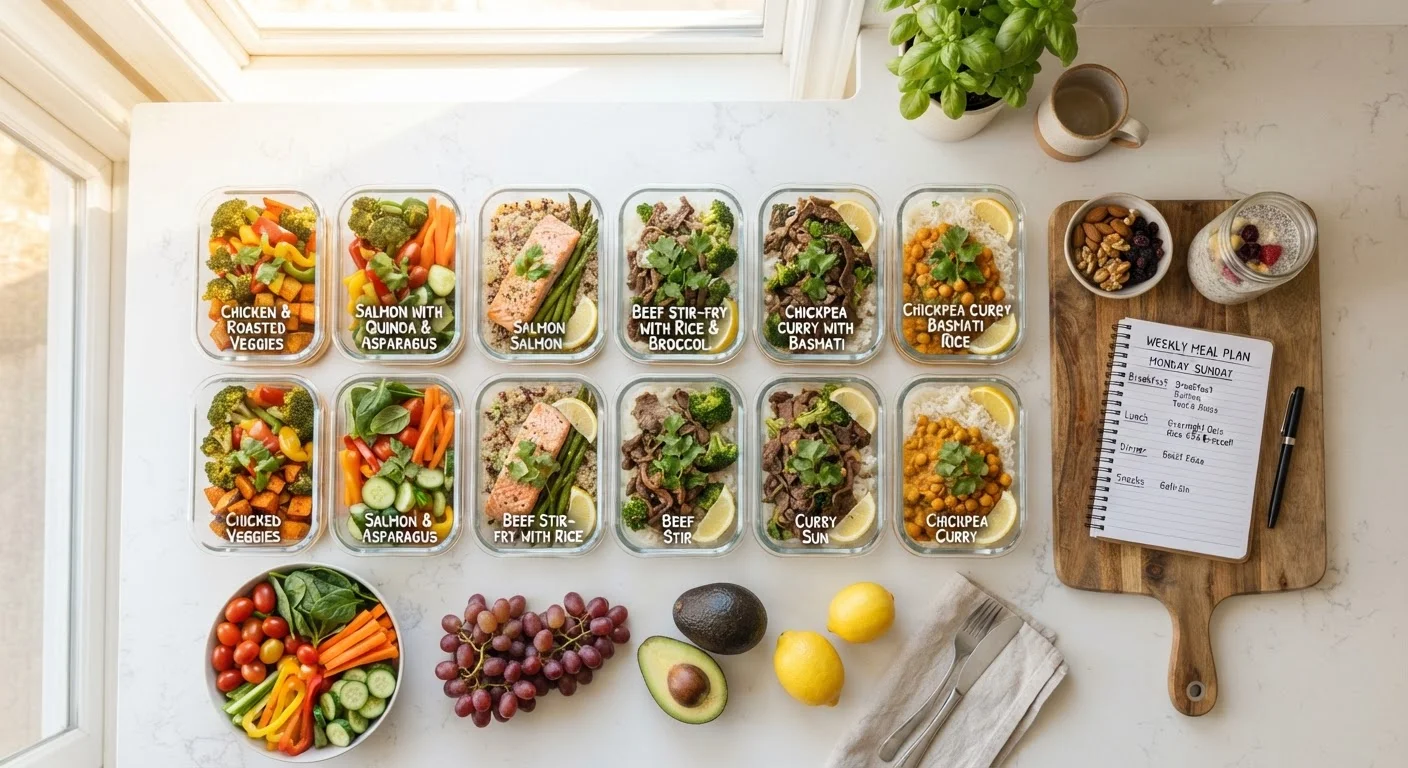
Building a Weekly Eating Routine That Actually Sticks

Photo: InfoAlly.net | Finding Info Made Easy editorial

Consistency matters more than perfection in nutrition. These practical habits help you build a weekly routine that's sustainable.

Key Takeaways

  • Consistency in eating patterns matters more than following a perfect diet every day.
  • Small structural habits — like a weekly planning session — reduce daily decision fatigue around food.
  • Flexible routines built around your real schedule are far more sustainable than rigid meal plans.
  • Batch cooking and simple ingredient prep are among the most effective tools for weekday success.

Why Routine Beats Willpower Every Time

Most people approach eating well as a daily willpower challenge — deciding meal by meal what the "right" choice is. Research in behavioral science consistently shows this is exhausting and unsustainable. When decisions are hard, we default to the most convenient option, which isn't always the most nourishing one.

A weekly eating routine removes that friction. Instead of relying on motivation in the moment, you create an environment where eating well is simply what happens next. As the saying goes, you don't rise to the level of your goals — you fall to the level of your systems. Nutrition is no different. Just as consistency drives fitness results, it's the backbone of lasting nutritional change too.

This Is General Guidance, Not a Prescription

Everyone's nutritional needs differ based on health status, activity level, age, and other personal factors. The habits outlined here are general educational principles, not personalized dietary recommendations. If you have a specific health condition or nutritional concern, please consult a registered dietitian or your healthcare provider before making changes.

Core Practices for a Sustainable Weekly Routine

These habits aren't about eating perfectly. They're about reducing chaos so that nourishing choices become your default — not your exception.

1

Set aside one weekly planning session of 15–20 minutes.

A short weekly planning window dramatically reduces the number of in-the-moment food decisions you face. Fewer daily decisions means less cognitive fatigue and fewer reactive, low-quality choices. This is the single highest-leverage habit for building eating consistency.
Example: Every Sunday evening, briefly sketch out dinners for the week and note any lunches you'll need to prepare — even rough outlines count.
2

Batch-cook one or two versatile staple ingredients each week.

Having cooked grains, proteins, or roasted vegetables already in the refrigerator makes assembling meals fast and low-effort. This removes the biggest weekday barrier — starting from scratch when you're tired or busy.
Example: Cook a pot of brown rice and roast a sheet pan of mixed vegetables on Sunday. Use them across three or four different meals throughout the week.
3

Anchor meals to consistent daily time windows rather than rigid recipes.

Eating within regular time windows helps regulate hunger cues, supports stable energy levels, and prevents the erratic patterns that often lead to overeating. Flexibility within a window is fine — the anchor itself is what creates structure.
Example: Aim to eat lunch somewhere between noon and 1:30 p.m. each day, whatever that meal ends up being, rather than following a strict menu.
4

Stock a short list of reliable fallback meals for low-energy days.

Every week will include at least one day where plans fall apart. Having two or three ultra-simple meals you can make without thought prevents those days from derailing the whole week. Reliability matters more than variety in these moments.
Example: A can of beans, leafy greens, and a premade whole-grain wrap can become a filling meal in under five minutes — keeping it on hand means there's always a plan.
5

Build grocery shopping around a repeating core list with weekly additions.

A consistent shopping list reduces decision fatigue at the store, cuts food waste, and ensures your kitchen is always stocked with the basics you actually use. Variety comes from the additions, not from reinventing the list each week.
Example: Your core list might always include eggs, leafy greens, canned legumes, oats, and frozen vegetables — supplemented each week by whatever's fresh, seasonal, or on sale.

Quick Wins You Can Start This Week

You don't need to overhaul your entire kitchen or lifestyle to build a better eating routine. These small actions create immediate momentum:

high Write tomorrow's meals on a sticky note tonight — even rough ideas reduce decision fatigue significantly by morning.
high Choose one ingredient to prep in bulk this weekend, such as cooking a grain or washing and chopping vegetables in advance.
medium Identify your two simplest fallback meals and make sure the ingredients are already in your kitchen.
medium Set a recurring 15-minute calendar reminder once a week for meal planning — treat it like any other commitment.

Once these feel natural, you can layer in additional structure. Pair your eating routine with a sustainable movement schedule for an even stronger foundation. And whenever you want to reflect on how things are going, the weekly nutrition self-check is a practical tool for honest, low-pressure self-review.

This article is for general informational and educational purposes only. It is not a substitute for personalized medical or nutritional advice. Consult a qualified healthcare professional or registered dietitian before making significant changes to your diet, especially if you have an existing health condition.

Health & Wellness Editorial Team

InfoAlly.net | Finding Info Made Easy

Health & Wellness Editorial Team is the collective byline for our editorial team and contributor network. Articles published under this byline or an editorial pen name are researched, written, and reviewed according to our editorial standards for clarity, consistency, and independence before publication.

Nutrition BasicsFitness & MovementMind & Sleep
View author profile

The content on this site is for informational purposes only and is not a substitute for professional advice. Always consult a qualified professional for guidance specific to your situation.