
A Practical Starting Point for Eating More Balanced Meals

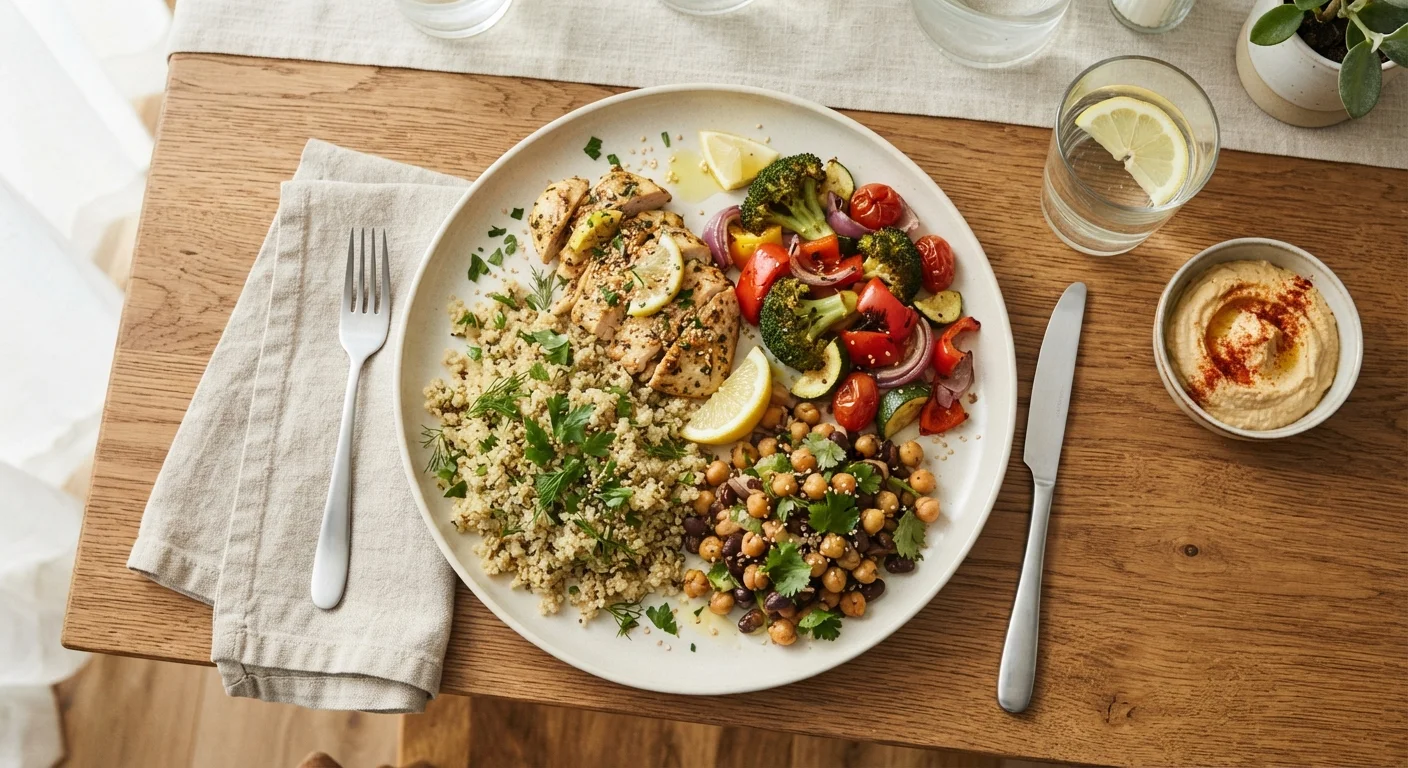
Photo: InfoAlly.net | Finding Info Made Easy editorial
Key Takeaways
- Balanced eating means including a variety of food groups consistently, not achieving perfection at every meal.
- Vegetables, whole grains, protein, and healthy fats each serve distinct roles your body relies on daily.
- The plate method is a practical, no-math approach to portioning meals without obsessive tracking.
- Small, consistent changes to eating habits tend to stick better than dramatic dietary overhauls.
- Individual needs vary - a healthcare provider or registered dietitian is the right resource for personal guidance.
What 'Balanced' Actually Means
The word "balanced" gets used constantly in nutrition conversations, but it rarely gets defined clearly. In practical terms, a balanced diet means consistently including a variety of foods that together provide the energy, macronutrients, and micronutrients your body needs to function - without over-relying on any single food or eliminating entire food groups without medical reason.
Balance isn't a rigid formula. It's a pattern across meals and days. One meal that's heavy on carbohydrates and light on protein doesn't mean your diet is unbalanced - it means you have the rest of the day. This framing is important because perfectionism around food can be just as unhelpful as not thinking about nutrition at all.
It's also worth noting upfront: this article offers general nutrition education, not personal dietary advice. For guidance tailored to your specific health needs, a registered dietitian is the most qualified resource.
Macronutrients
The three main nutrients the body needs in relatively large amounts: carbohydrates, protein, and fat. Each provides energy and serves specific functions.
Micronutrients
Vitamins and minerals needed in smaller amounts, such as iron, calcium, and vitamin C. They support essential body processes without providing calories.
Dietary fiber
A type of carbohydrate found in plant foods that the body cannot fully digest. It supports digestive health and helps you feel full longer.
Whole grains
Grains that retain all parts of the original seed - bran, germ, and endosperm - such as oats, brown rice, and whole-wheat products. They contain more fiber and nutrients than refined grains.
Plate method
A visual tool used in nutrition education that divides a plate into sections for vegetables, grains, and protein to guide portion balance without counting calories.
The Core Food Groups and What They Do
Understanding why food groups exist makes it easier to include them intentionally rather than by habit or accident.
- Vegetables and fruits supply vitamins, minerals, antioxidants, and fiber. Variety in color generally signals variety in nutrients.
- Whole grains (such as oats, brown rice, quinoa, and whole-wheat bread) provide sustained energy and fiber that supports digestive health.
- Protein sources - including poultry, fish, eggs, dairy, legumes, and nuts - support muscle maintenance, immune function, and numerous metabolic processes. If you're curious about non-meat options, plant-based protein sources cover a wide range of everyday choices.
- Healthy fats from foods like avocados, olive oil, nuts, and fatty fish help the body absorb fat-soluble vitamins and support cell function.
- Dairy or fortified alternatives contribute calcium, vitamin D, and protein depending on the product.
No single group is optional in the long run. Each plays a role that the others don't fully replace.
Use Color as a Quick Variety Check
How to Build a Plate Without Overthinking It
The plate method - developed and used widely in nutrition education - gives you a visual shortcut without any math. The basic framework divides your plate roughly as follows:
- Half the plate: non-starchy vegetables and fruit
- One quarter: whole grains or starchy vegetables (like sweet potato or corn)
- One quarter: lean or plant-based protein
- A small portion of healthy fat and a beverage like water, milk, or an unsweetened option rounding out the meal
This isn't a rigid rule - it's a starting reference point. You'll adapt it based on what's available, your appetite, and your preferences. Over time, the proportions often become intuitive.
For a deeper look at how well-researched dietary patterns use these proportions, the Mediterranean and DASH dietary approaches offer useful evidence-backed examples.
Portions Vary by Individual
Small Habits That Add Up Over Time
Changing eating patterns doesn't require a full dietary overhaul. Research in behavior change consistently suggests that small, specific adjustments made gradually are more sustainable than dramatic restrictions or new regimens.
A few practical starting points:
- Add before you subtract. Instead of cutting foods out, focus first on adding more vegetables, a source of protein, or a whole grain to meals you already enjoy.
- Default to water. Replacing sweetened drinks with water most of the time is a low-effort shift that many people find manageable without changing anything else initially.
- Prep simple components. Keeping cooked grains, washed vegetables, or boiled eggs in the fridge reduces the effort needed to assemble a balanced meal on busy days.
- Check in with yourself regularly. The weekly nutrition self-check is a useful tool for spotting patterns in your eating without judgment.
Eating habits are deeply personal and influenced by culture, schedule, budget, and access - all of which deserve acknowledgment. The goal isn't to eat like a textbook; it's to make more nourishing choices more of the time, in a way that's actually realistic for your life. Pair these food habits with regular movement for a more complete approach to daily wellness.
This article is for general informational and educational purposes only and is not a substitute for personalized advice from a qualified healthcare provider or registered dietitian. Always consult a professional for guidance specific to your health needs.
Frequently Asked Questions
The content on this site is for informational purposes only and is not a substitute for professional advice. Always consult a qualified professional for guidance specific to your situation.