
Plant-Based Protein Sources Compared: Legumes, Grains, Seeds, and More

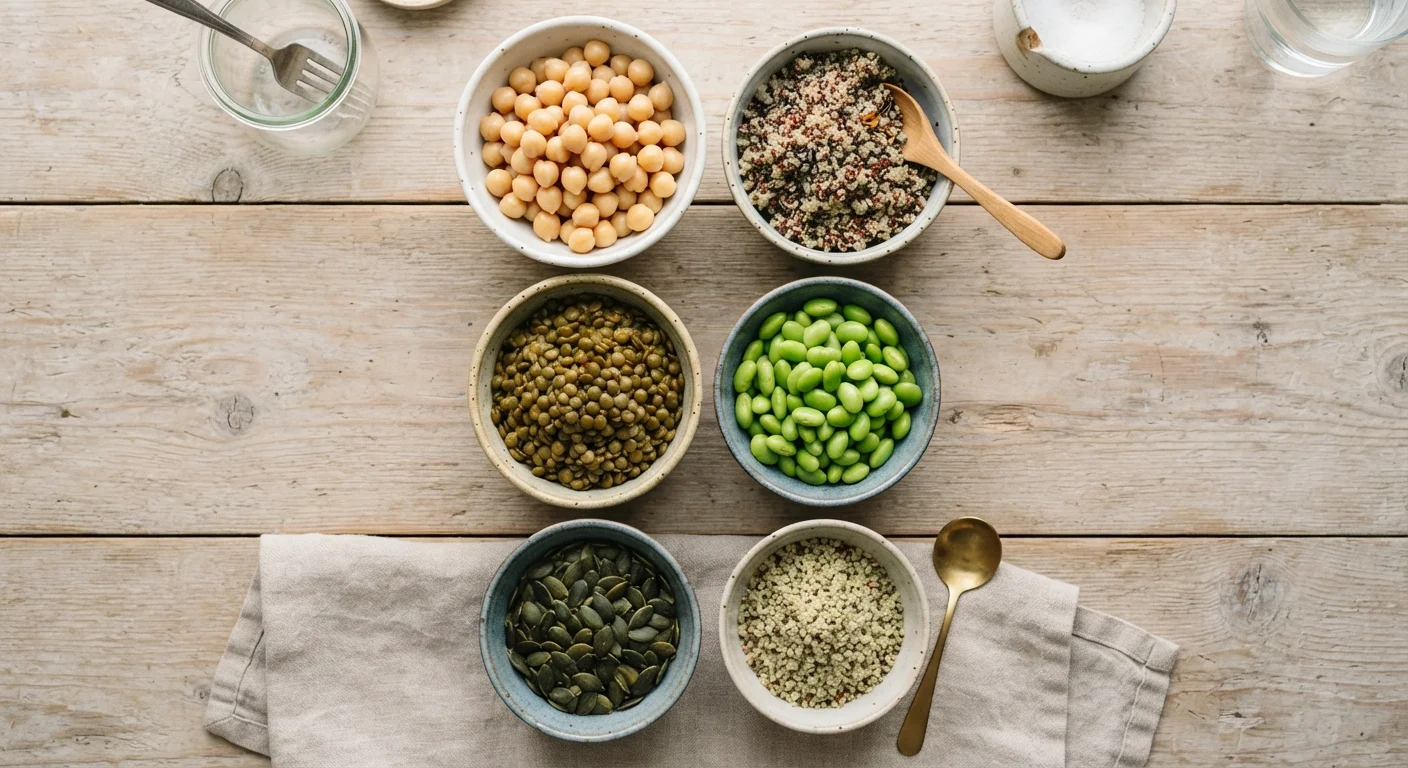
Photo: InfoAlly.net | Finding Info Made Easy editorial
Key Takeaways
- No single plant protein provides all essential amino acids in ideal proportions, but combining sources throughout the day covers most gaps.
- Legumes offer high protein density alongside significant fiber, making them one of the most nutritionally efficient plant foods.
- Seeds like hemp and pumpkin punch above their weight in protein and provide healthy fats alongside essential minerals.
- Whole grains contribute modest but meaningful protein, especially when paired with legumes in the same meal or day.
- Cooking method and preparation - such as soaking or sprouting - can improve protein digestibility across most plant categories.
Why Plant Protein Diversity Matters
Protein is made up of amino acids, and the human body requires nine essential amino acids - meaning it cannot produce them internally. Animal proteins typically supply all nine in one package. Most individual plant foods fall short of that complete profile, which is why understanding variety matters rather than fixating on a single source.
The good news: a diet that draws from legumes, grains, seeds, and vegetables across the day can meet amino acid needs without much effort. For a broader view of how protein fits into overall eating habits, see our guide to building balanced meals.
This article is for general informational purposes only and is not a substitute for personalised medical or dietary advice. Consult a registered dietitian or healthcare provider for guidance specific to your health needs.
Legumes: The Protein Powerhouses
Legumes - lentils, chickpeas, black beans, edamame, and their relatives - are the most protein-dense whole plant foods available. Cooked lentils deliver roughly 18 grams of protein per cup, while edamame (immature soybeans) comes close to a complete amino acid profile, making it one of the most nutritionally complete plant proteins available. Chickpeas and black beans offer 14-15 grams per cooked cup alongside substantial fiber, which supports digestive health and satiety.
Soybeans and soy-derived foods like tofu and tempeh stand apart: they contain all nine essential amino acids in meaningful amounts, a distinction few other plant foods share. Preparation matters here - cooking, fermenting (as in tempeh), or soaking dried legumes before cooking can reduce compounds called antinutrients (such as phytates) that can limit mineral absorption.
Soaking and Sprouting Improve Digestibility
Legumes are among the most affordable high-protein pantry staples available - dried lentils and canned beans consistently deliver exceptional nutritional value for the cost. Our look at standout pantry staples explores this further.
Grains and Seeds: Complementary Protein Sources
Whole grains are not typically thought of as protein foods, but several are surprisingly capable contributors. Quinoa and amaranth are notable exceptions in the grain category - both are considered complete proteins. A cooked cup of quinoa provides about 8 grams of protein. Most other whole grains (oats, brown rice, barley) offer 4-7 grams per cooked cup, with lysine - one essential amino acid - typically being the limiting factor. Pairing grains with legumes, which are rich in lysine, is one of the oldest and most nutritionally sound meal strategies in global cuisines.
Seeds deserve more attention as protein contributors. Hemp seeds contain all nine essential amino acids and deliver around 10 grams of protein per three tablespoons - easily stirred into yogurt, oatmeal, or salads. Pumpkin seeds offer roughly 9 grams per ounce. Chia seeds are lower in protein (about 5 grams per ounce) but contribute omega-3 fatty acids and fiber. Sunflower seeds and flaxseeds add variety and micronutrients.
| Legumes | Soy/Edamame | Quinoa/Amaranth | Seeds (Hemp/Pumpkin) | |
|---|---|---|---|---|
| Protein per serving | 14-18g per cooked cup | 17-22g per cooked cup | 7-9g per cooked cup | 9-10g per 3 tbsp / oz |
| Complete amino acid profile | No (low methionine) | Yes | Yes (quinoa/amaranth) | Yes (hemp); partial (pumpkin) |
| Fiber content | Very high | Moderate-high | Moderate | Moderate-high |
| Ease of preparation | Moderate (soaking/cooking) | Easy (edamame/tofu) | Easy (boil like rice) | Very easy (no cooking) |
| Culinary versatility | High (soups, salads, dips) | Very high (tofu, tempeh, milk) | High (bowls, salads, porridge) | High (toppings, smoothies) |
| Cost accessibility | Very affordable (dried) | Affordable to moderate | Moderate | Moderate to higher |
For readers integrating these sources into specific dietary patterns, our comparison of evidence-based eating patterns provides useful context on how plant proteins fit broader frameworks.
Practical Strategies for Combining Plant Proteins
The classic pairing of rice and beans isn't just culinary tradition - it reflects a natural amino acid complementarity. Grains are typically low in lysine but adequate in methionine; legumes are the reverse. Eaten together - or even across the same day - they help cover the full essential amino acid spectrum without requiring precise meal-by-meal calculation.
Practical combinations to build into regular meals include:
- Lentil soup with whole grain bread - high in protein, fiber, and iron
- Quinoa bowls with black beans and pumpkin seeds - near-complete amino acid coverage
- Oatmeal topped with hemp seeds and nut butter - boosts protein from a traditionally low-protein breakfast
- Hummus (chickpeas) with pita or whole grain crackers - an easy, portable protein pairing
Processing can affect protein quality - minimally processed whole forms generally retain more fiber and micronutrients than heavily refined versions. Our overview of whole versus processed foods explains how processing levels affect nutritional value. For practical meal-building across real-life routines, see what a balanced day of eating looks like across lifestyles.
The content on this site is for informational purposes only and is not a substitute for professional advice. Always consult a qualified professional for guidance specific to your situation.