
What a Nutritionally Sound Day of Eating Looks Like Across Different Lifestyles

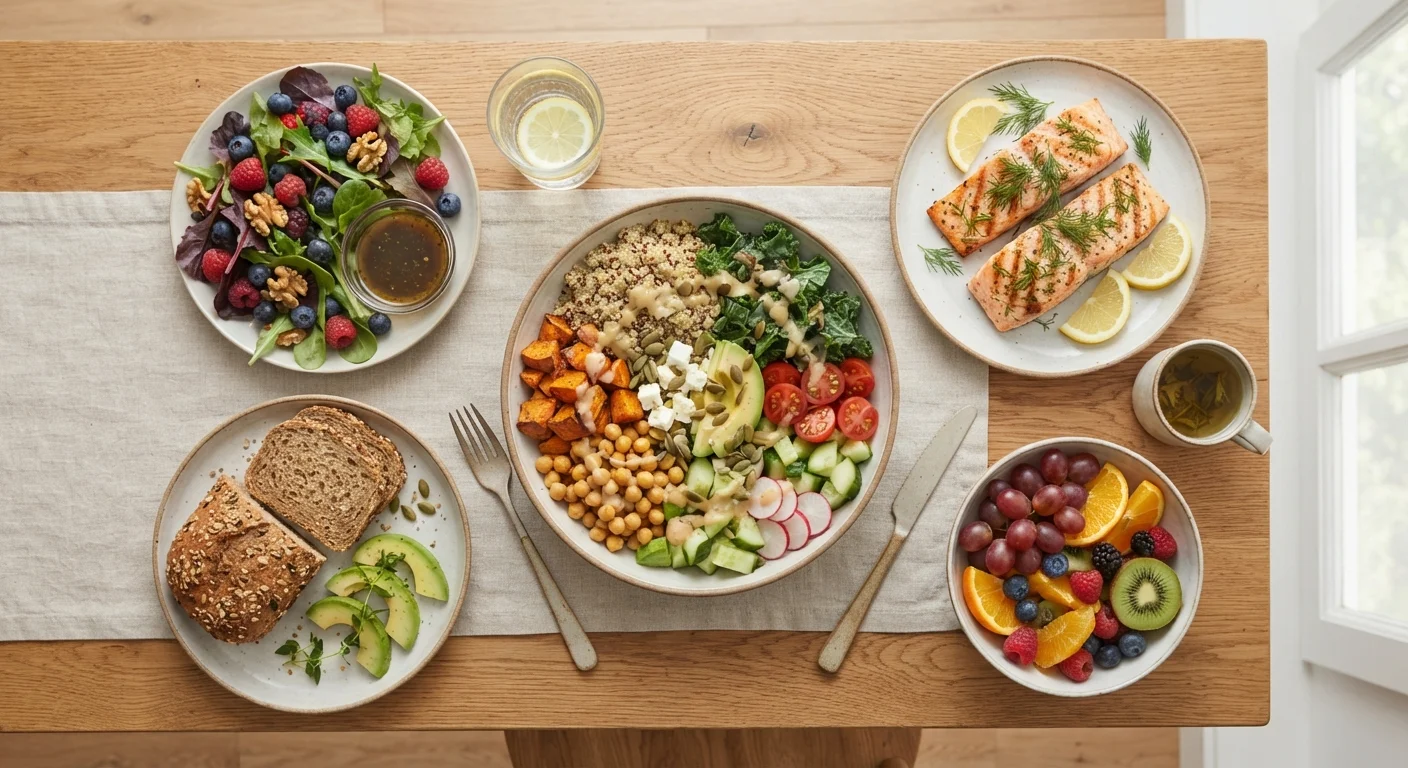
Photo: InfoAlly.net | Finding Info Made Easy editorial
Key Takeaways
- A nutritionally sound day centers on whole foods, adequate protein, fiber, and consistent hydration - not perfection.
- Different daily routines call for different meal structures, but core nutritional needs remain largely the same.
- Small, practical adjustments - not overhauls - are what make healthy eating sustainable across lifestyles.
- Meal timing and structure should support your schedule, not the other way around.
- Snack quality matters as much as meal quality when building a balanced day of eating.
One Goal, Many Routines
There is no single meal plan that works for everyone. A nurse on a rotating shift, a remote worker at home, a parent managing school pickups, and a daily commuter all have different windows for eating, different energy demands, and different levels of kitchen access. Yet the underlying nutritional principles - enough protein, plenty of fiber, a variety of micronutrients, and steady hydration - remain consistent regardless of lifestyle.
This article breaks down what a nutritionally sound day of eating can look like across five common lifestyle scenarios. The goal is not to prescribe a rigid plan but to illustrate how flexible and adaptable good nutrition can be. For personalized guidance around specific health conditions, dietary restrictions, or medical concerns, always consult a registered dietitian or qualified healthcare provider.
If you want to look beyond individual days, building a sustainable weekly eating routine is a natural next step. For a broader view of well-researched dietary patterns, see our comparison of Mediterranean, DASH, and whole-diet approaches.
The Daily Commuter
Long commutes compress the morning window significantly. A nutritionally sound approach here prioritizes a breakfast that can be prepped the night before or eaten on the go - think overnight oats with nut butter and banana slices, or a hard-boiled egg with whole-grain toast eaten at home before leaving.
Lunch is often bought, so knowing how to read a menu or decode a nutrition label at grab-and-go counters is a useful skill. Aim for a combination of lean protein, vegetables, and a whole grain - a grain bowl, a wrap with plenty of vegetables, or a soup-and-salad combo all fit this pattern.
Keeping a portable snack in a bag - such as a small handful of mixed nuts or a piece of fruit - prevents arriving home ravenous and making impulsive dinner choices. Dinner can be the main cooking opportunity of the day: a simple protein, a cooked or raw vegetable side, and a grain or starchy vegetable.
A prepped breakfast and a portable snack are the commuter's two most effective nutritional tools.
The Remote or Home Worker
Working from home offers more kitchen access but also more grazing risk. Without the structure of an office environment, meals can blur into continuous snacking. Building deliberate meal breaks into the workday - rather than eating while at a screen - supports both nutrition quality and mindful eating.
A sound structure might include a protein-rich breakfast (eggs, Greek yogurt, or a smoothie with protein from seeds or legumes), a lunch that involves genuine preparation away from the desk, and an afternoon snack timed to prevent the late-afternoon energy dip. Plant-based protein sources such as lentils, chickpeas, and edamame are easy to incorporate into midday meals.
The challenge for home workers is often variety - having the same ingredients in the fridge week after week leads to meal fatigue and reduced dietary diversity. Rotating one or two new vegetables or grains each week is a low-effort way to broaden micronutrient intake.
Scheduled meal breaks - not continuous grazing - are the home worker's most important nutritional habit.
The Shift Worker or Non-Traditional Hours Employee
Shift schedules disrupt conventional meal timing, and research consistently shows that eating late at night or at irregular hours can influence digestion and energy differently than daytime eating. The goal for shift workers isn't to mimic a 9-to-5 eating pattern but to ensure that nutritional quality remains high regardless of the clock.
Anchoring meals around the start and midpoint of a shift helps maintain energy across long hours. Prioritizing foods that digest comfortably - moderate in fat and fiber during working hours, heavier and more satisfying closer to a rest period - can ease the adjustment.
Pre-prepared meals stored in portioned containers remove decision fatigue during busy shifts. Soups, grain salads, and roasted vegetable and protein combinations all travel and reheat well. Hydration deserves special attention here: caffeinated beverages used to maintain alertness can mask thirst, so keeping water accessible throughout a shift is important. Learn more about how food choices affect hydration.
For shift workers, nutritional quality matters more than matching conventional mealtimes.
The Active or Fitness-Focused Individual
People with regular exercise routines have somewhat higher energy and protein needs than sedentary individuals, but the core of a balanced day looks similar: varied whole foods, plenty of vegetables and fruit, adequate protein spread across meals, and enough carbohydrates to support activity levels.
Timing meals and snacks around workouts - eating a light, carbohydrate-containing snack beforehand if exercising fasted feels difficult, and including protein in the meal or snack afterward - supports recovery. This doesn't require protein shakes or supplements; whole food sources like eggs, dairy, legumes, fish, or lean meat work well. For those exploring plant-based options, a comparison of plant proteins covers amino acid profiles and practical usability.
Micronutrients - particularly iron, calcium, magnesium, and B vitamins - matter more when physical demands are higher. A quick-reference overview of key vitamins and minerals can help identify gaps. Pairing nutrition with sustainable movement habits creates a more complete picture of wellbeing.
Whole food protein sources spread across the day support exercise recovery just as effectively as supplements.
The Busy Parent or Caregiver
Parents and caregivers frequently deprioritize their own nutrition while managing food for others. A practical approach focuses on overlapping family meals with personal nutritional needs - building dinners that work for everyone and are easy to assemble on tired evenings.
Batch cooking on less busy days (roasting a tray of vegetables, cooking a pot of grains, preparing a protein in advance) means meals can be assembled in minutes rather than built from scratch. Keeping nutritious, low-prep options visible and accessible - fresh fruit on the counter, cut vegetables in the fridge, nuts or seeds in a jar - reduces the likelihood of skipping meals or defaulting to low-nutrient convenience food.
Breakfast for busy households often succeeds when it's routine: the same few options on rotation that everyone accepts and that take under ten minutes. Lunch is frequently the most skipped meal for caregivers, making a mid-morning snack of real substance (not just coffee) a useful bridge. Short movement breaks can also complement better eating habits on low-activity days.
Batch cooking and visible, ready-to-eat options are a busy caregiver's most practical nutritional strategy.
Making It Work for Your Life
Across every scenario above, a few themes consistently appear: eating at reasonably regular intervals helps stabilize energy; including a source of protein and fiber at most meals supports satiety; and planning even loosely - whether batch cooking on weekends or keeping portable snacks on hand - dramatically reduces reliance on less nutritious convenience options.
Start With One Consistent Habit
It's also worth remembering that what you drink affects how nourished you feel. How food and hydration interact is often overlooked but plays a real role in energy and focus throughout the day.
If snacking is a regular part of your routine, understanding what makes a snack nutritionally worthwhile helps you make those between-meal choices count. And for a practical way to reflect on your current habits, try this weekly nutrition self-check.
This article is for general informational and educational purposes only and does not constitute medical or dietary advice. Individual nutritional needs vary. Please consult a registered dietitian or qualified healthcare professional for personalized guidance.
The content on this site is for informational purposes only and is not a substitute for professional advice. Always consult a qualified professional for guidance specific to your situation.