
Modern Mobility Trends

Before You Switch to an EV: A Pre-Purchase Readiness Checklist

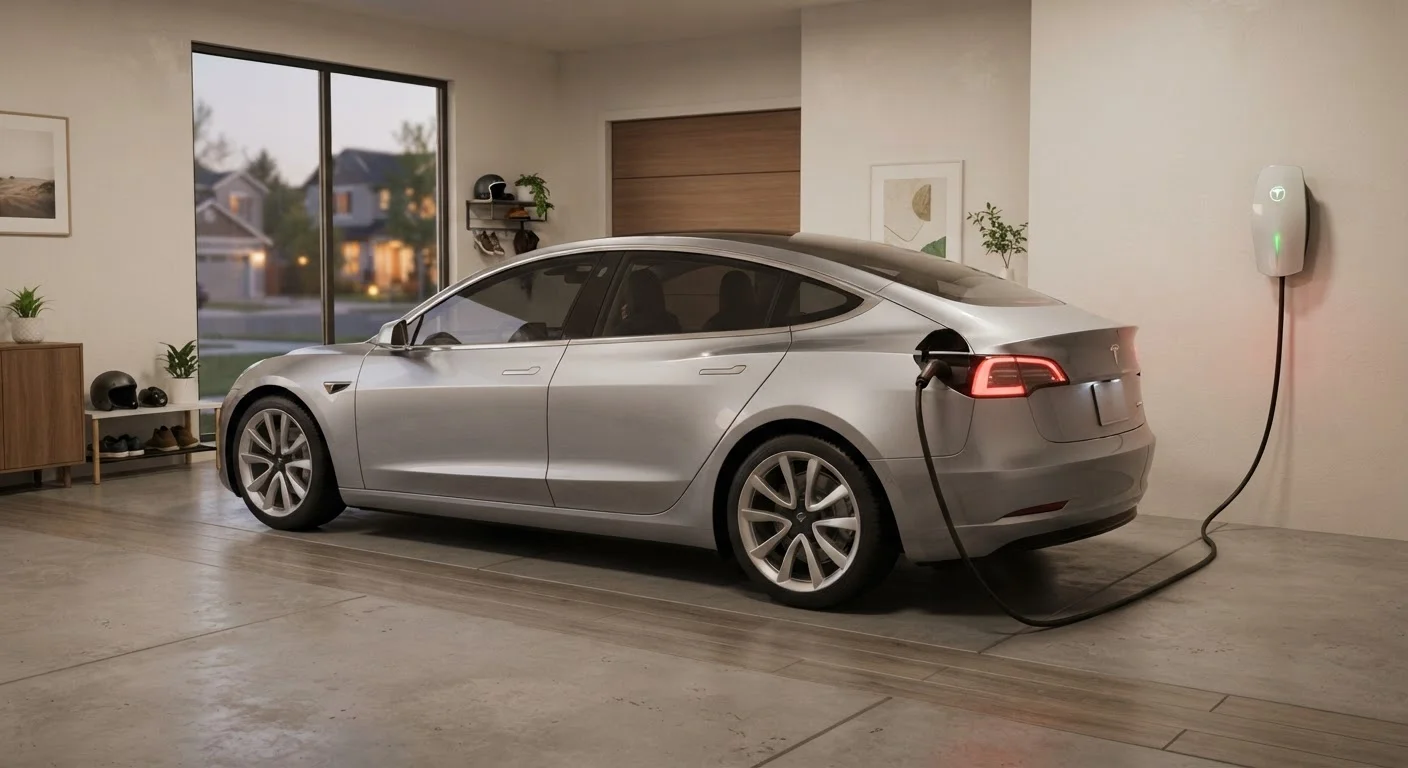
Before You Switch to an EV: A Pre-Purchase Readiness Checklist

Photo: InfoAlly.net | Finding Info Made Easy editorial

Use this checklist to assess your home setup, driving patterns, and lifestyle before committing to an electric vehicle.

Key Takeaways

  • Home charging setup is often the single biggest practical hurdle for new EV owners.
  • Your daily driving distance and access to public charging directly affect EV suitability.
  • Total cost of ownership differs significantly from a traditional vehicle — finance terms matter.
  • EV battery range can be meaningfully affected by cold weather and highway driving.
  • Readiness depends on your specific lifestyle, not just interest in the technology.

Why a Readiness Checklist Matters Before You Go Electric

Interest in electric vehicles has grown steadily, but enthusiasm alone doesn't determine whether an EV fits your life. The transition involves more than swapping one car for another — it requires evaluating your home infrastructure, daily habits, financial picture, and local charging landscape. Skipping this groundwork is one of the most common reasons new EV owners experience regret.

This checklist walks you through the key areas to assess honestly before committing. Think of it as the practical counterpart to curiosity — the same kind of structured pause covered in a pre-purchase reflection process that applies to any major buying decision.

Work through each group below, check off what applies, and use gaps as a to-do list rather than dealbreakers. Many issues are solvable with planning.

Home Charging Infrastructure

Confirm whether your home has a dedicated garage or covered parking spot where a charger can be safely installed. Must
Check your electrical panel capacity — most Level 2 home chargers require a 240V circuit with at least a 40-amp breaker. Must
Get a quote from a licensed electrician for panel upgrades or new circuit installation if your current setup is insufficient. Should
Find out whether your utility provider offers an EV time-of-use rate plan, which can reduce overnight charging costs. Nice to have

Daily Driving Patterns

Calculate your average daily mileage over the past three months using your odometer, GPS history, or fuel receipts. Must
Identify whether you regularly take long interstate trips that would exceed a single charge under real-world conditions. Must
Map your typical routes to locate DC fast-charging stations along corridors you frequently drive. Should
Note how much of your driving occurs in extreme cold, since low temperatures can reduce battery range by 20–40% in many vehicles. Should

Public and Workplace Charging Access

Search for Level 2 and DC fast chargers near your home, workplace, and frequent destinations using a publicly available charging network map. Must
Ask your employer whether workplace EV charging is available or planned, as this can significantly reduce range anxiety. Should
Verify charging availability at locations you visit regularly — shopping centers, gyms, or medical facilities. Nice to have

Financial Readiness

Compare the full cost of ownership — purchase price, insurance, maintenance, and estimated charging costs — against your current vehicle's total costs. Must
Research whether you qualify for any federal, state, or local tax incentives for EV purchases, as eligibility depends on income, vehicle price caps, and assembly origin. Must
Factor in the cost of home charger equipment and installation — typically ranging from several hundred to over a thousand dollars depending on your electrical setup. Should
Review your current auto insurance to understand how EV coverage may differ, particularly for battery replacement scenarios. Should

Lifestyle and Household Fit

Assess whether all drivers in your household are willing and able to adapt to a charge-at-home routine rather than weekly gas station stops. Must
Determine if an EV can serve as your primary vehicle, or whether it would work better as a second car alongside a longer-range conventional vehicle. Should
Consider any towing, hauling, or payload needs — confirm that any EV you're evaluating meets those requirements, as towing significantly reduces range. Should

Final Readiness Review

Test-drive at least one EV to experience real-world acceleration, regenerative braking, and cabin technology before deciding. Must
Research the service network for any vehicle you're considering — confirm that qualified service centers are accessible in your area. Should
Review the manufacturer's battery warranty terms, including what conditions may void coverage. Should

Tools and Resources You'll Need for This Assessment

Before you begin, gather the materials that will help you answer these questions accurately. Guessing on key figures — like your monthly mileage or home electrical capacity — can lead to false confidence or unnecessary hesitation.

Required

Recent driving records or odometer readings

Used to calculate accurate average daily and monthly mileage for range planning.

Required

Home electrical panel details

Needed to determine whether your current electrical setup can support a Level 2 charger without upgrades.

Required

Public charging network map (e.g., PlugShare, AFDC Alternative Fuels Station Locator)

Helps identify charging availability along your regular routes and near key destinations.

Optional

Licensed electrician quote

Provides an accurate installation cost estimate for a home EV charger circuit.

Optional

Current vehicle cost records

Provides a baseline for comparing total ownership costs between your current car and an EV.

Don't Rely on Advertised Range Alone

Manufacturer range estimates are typically produced under controlled conditions and may not reflect your real-world driving. Highway speeds, climate control use, cold weather, and cargo load can all reduce effective range. When evaluating whether an EV fits your daily needs, use conservative range estimates — roughly 70–80% of the advertised figure — as your planning baseline.

For the financial side of the equation, consider reviewing our pre-loan readiness checklist if you're planning to finance your EV purchase. Auto loans for EVs follow the same principles as any vehicle loan, and understanding your credit standing before you shop puts you in a stronger position. The Car Ownership Basics hub also covers ongoing costs once you've made the switch.

This article provides general educational information about electric vehicle readiness and is not financial, mechanical, or legal advice. Consult qualified professionals for decisions specific to your circumstances.

Autos & Mobility Editorial Team

InfoAlly.net | Finding Info Made Easy

Autos & Mobility Editorial Team is the collective byline for our editorial team and contributor network. Articles published under this byline or an editorial pen name are researched, written, and reviewed according to our editorial standards for clarity, consistency, and independence before publication.

Car Ownership BasicsModern Mobility TrendsSafe & Smart Driving
View author profile

The content on this site is for informational purposes only and is not a substitute for professional advice. Always consult a qualified professional for guidance specific to your situation.