
Popular Sleep Beliefs That Science Has Quietly Complicated

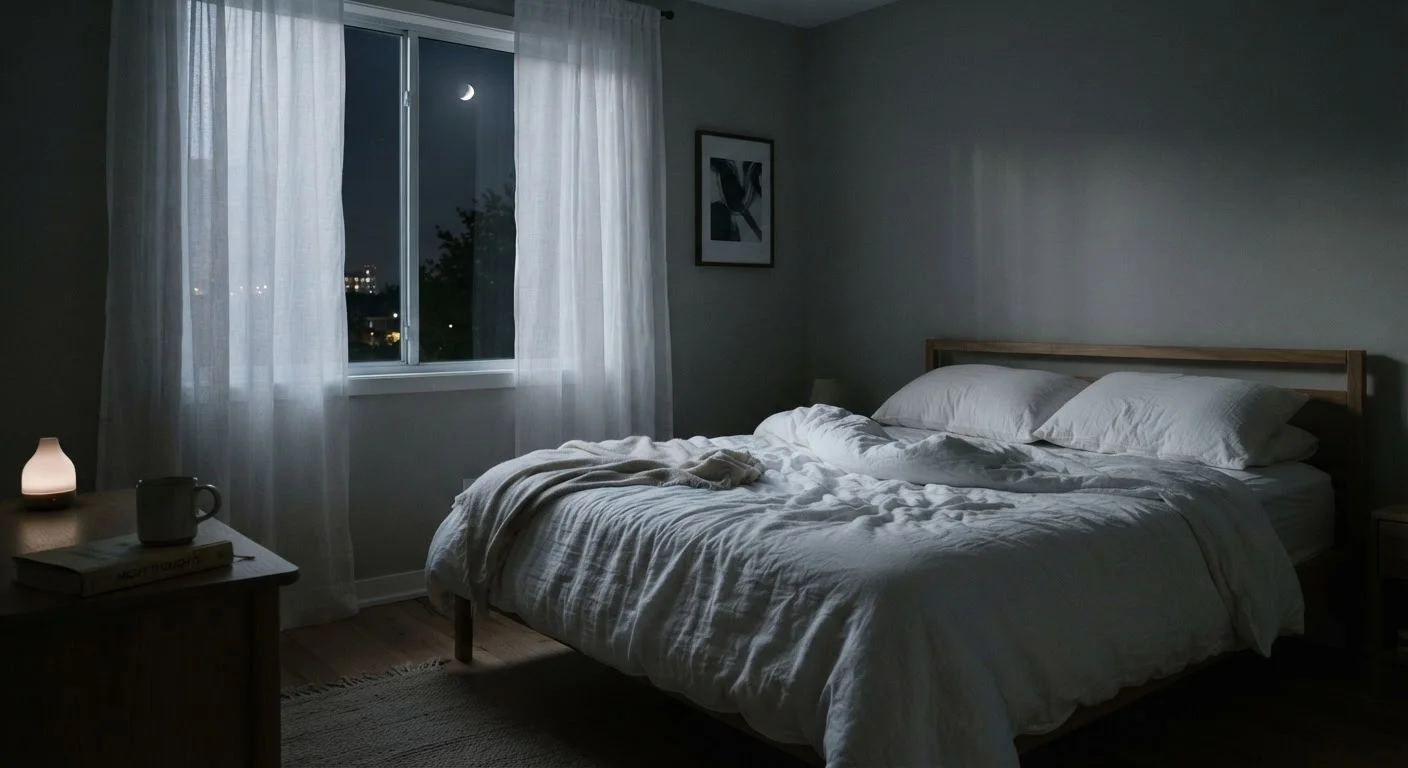
Photo: InfoAlly.net | Finding Info Made Easy editorial
Key Takeaways
- Eight hours of sleep is a general guideline, not a universal prescription for every adult.
- Weekend sleep catch-up offers limited recovery and may disrupt your circadian rhythm further.
- Lying awake in bed is not restful and can reinforce patterns associated with insomnia.
- Sleep and mental health share a two-way relationship - poor sleep can both reflect and worsen mood.
- Consistency of sleep timing may matter as much as total duration for long-term rest quality.
Why Sleep Myths Are So Persistent
Sleep takes up roughly a third of our lives, yet most of us learn about it through folklore passed down from parents, coaches, or wellness culture rather than from science. These beliefs feel plausible precisely because they contain a grain of truth - and because sleep is difficult to study rigorously in real-world conditions. Research over the past two decades has quietly revised several long-standing assumptions, often without those updates reaching everyday conversations.
Understanding what the evidence actually says matters beyond academic curiosity. Sleep is now recognized as a pillar of mental and physical health, with disruptions linked to mood instability, impaired cognition, and reduced immune function. For a deeper look at how sleep and wellbeing interact, see the science behind sleep and mental health.
Myth
Everyone needs exactly eight hours of sleep to function well.
Fact
Sleep needs vary by individual, age, and life circumstances; for most adults the broadly recommended range is seven to nine hours, not a fixed eight.
The eight-hour figure is a population-level average, not a biological requirement. Research from the National Sleep Foundation and others consistently frames seven to nine hours as a range for most adults - with some people functioning well at the lower end and others needing more. Age also shifts this significantly; sleep needs change meaningfully across the lifespan, from higher requirements in adolescence to altered patterns in older adulthood. The more useful question is whether you wake feeling rested and maintain alertness without relying on stimulants.
Myth
You can fully recover from a week of poor sleep by sleeping in on weekends.
Fact
Weekend recovery sleep can ease some acute sleepiness but does not fully reverse the cognitive and metabolic effects of accumulated sleep debt.
The concept of "sleep debt" is real, but the idea that it can be cleared with two long weekend nights oversimplifies the biology. Studies have found that while subjective sleepiness improves after recovery sleep, reaction times and metabolic markers may lag behind. There's also a circadian cost: sleeping in on weekends shifts your internal clock, making Monday mornings harder - a pattern sometimes called social jet lag. Consistent sleep timing appears to be more protective than simply accumulating extra hours when convenient. For a fuller picture of what chronic versus occasional poor sleep does differently, see chronic versus occasional sleep deprivation.
Myth
If you can't sleep, it's best to stay in bed and rest quietly until sleep comes.
Fact
Remaining awake in bed for extended periods can strengthen a mental association between bed and wakefulness, which may worsen insomnia over time.
Cognitive behavioral approaches to insomnia - widely considered a first-line treatment - often include stimulus control, which means reserving the bed primarily for sleep. When you lie awake in bed for long stretches, the brain begins to associate that environment with alertness and frustration rather than rest. Sleep specialists often recommend leaving the bed after roughly 20 minutes of wakefulness and returning only when sleepy. Quiet activities like light reading or gentle breathing exercises in another room are generally preferable to clock-watching under the covers. See relaxation techniques for pre-sleep use for evidence-informed options.
Myth
Alcohol helps you sleep because it makes you feel drowsy.
Fact
Alcohol may shorten the time to fall asleep but disrupts sleep architecture in the second half of the night, reducing restorative sleep quality.
The sedating effect of alcohol is real, but misleading as a measure of sleep quality. Research indicates that even moderate alcohol consumption before bed suppresses REM sleep - the stage closely linked to emotional processing and memory consolidation - and increases sleep fragmentation as the body metabolizes it. The result is often an early waking or a lighter, less restorative second half of the night. This disruption has particular relevance to mental health: REM sleep plays a significant role in emotional regulation, and its reduction may contribute to mood difficulties the following day. Evening habits including alcohol use are explored further in habits that undermine sleep quality.
Myth
Screens before bed only affect sleep because of the blue light they emit.
Fact
Screen use before bed affects sleep through multiple mechanisms, including mental stimulation and emotional arousal - not only light exposure.
Blue-light filtering has become a popular sleep intervention, and evening light exposure does affect melatonin timing. However, reducing blue light alone does not fully account for how screens impair sleep. The content being consumed - social media, news, stimulating video - activates alertness and emotional reactivity that is harder to switch off than light. Morning light and blue-light blocking address different parts of sleep biology; neither is a complete solution on its own. Winding down cognitively matters as much as dimming the display.
What the Evidence Suggests Instead
Correcting these myths is not about perfection - it's about building habits that are grounded in how sleep biology actually works. A stable wake time, a consistent pre-sleep routine, and an awareness of the habits that quietly fragment rest all contribute more reliably than chasing an arbitrary hour count. Our guide on evening habits that undermine sleep quality explores which pre-bed routines are worth reconsidering.
1 in 3
U.S. adults not getting sufficient sleep
According to CDC data, approximately one in three American adults report regularly sleeping fewer than the recommended seven hours per night.
~90 min
Average social jet lag shift on weekends
Research published in sleep science literature suggests many adults shift their sleep timing by roughly 90 minutes or more between weekdays and weekends.
If you're looking to build a more complete picture of restorative rest - from sleep architecture to mental balance - the Mind & Sleep end-to-end guide is a useful companion resource.
Persistent Sleep Problems Deserve Professional Attention
This article is for general informational purposes only and is not a substitute for professional medical advice. If you have persistent sleep difficulties or concerns about your mental health, please consult a qualified healthcare provider.
The content on this site is for informational purposes only and is not a substitute for professional advice. Always consult a qualified professional for guidance specific to your situation.