
Personal Budgeting from the Ground Up

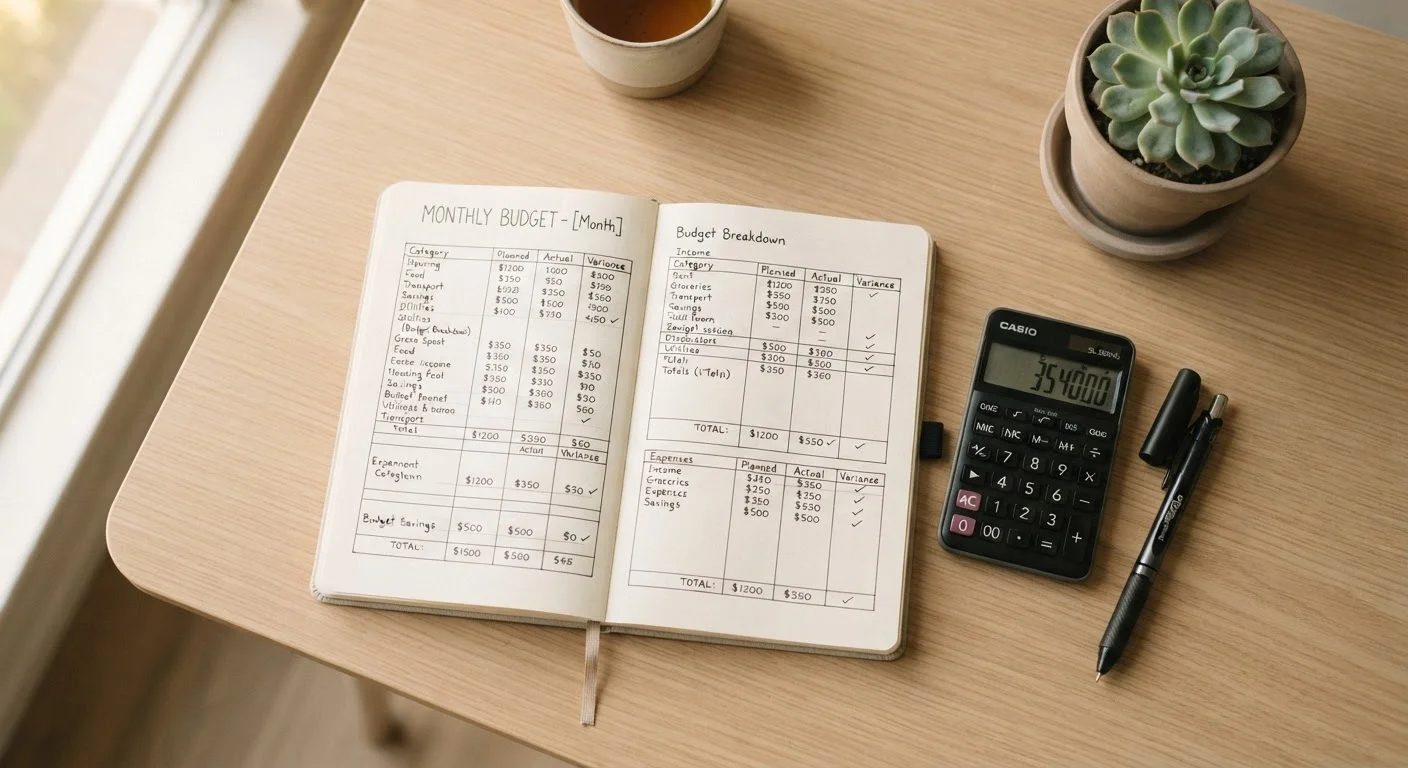
Photo: InfoAlly.net | Finding Info Made Easy editorial
Key Takeaways
- A budget is simply a plan for your money - not a punishment or a restriction.
- You need two numbers to start: your take-home income and your monthly expenses.
- Multiple budgeting methods exist; the right one is whichever you'll consistently use.
- Small, regular check-ins matter more than creating a perfect budget on day one.
- Budgeting opens the door to saving, debt reduction, and long-term financial stability.
What a Budget Actually Is
Strip away the intimidation and a budget is simply a written plan for your money. It answers one question: when income arrives, where does each dollar go? Nothing about that definition requires sacrifice, deprivation, or financial expertise. If you have been putting off budgeting because it sounds restrictive, you are not alone - but those feelings are often rooted in misconceptions. See our guide to common budget myths for a closer look at what is actually standing in most people's way.
A budget does three practical things. It shows you whether you are spending more than you earn, helps you direct money toward priorities you actually care about, and creates a record you can learn from over time. None of those outcomes require you to be good with numbers - they just require showing up consistently.
Take-home income
The amount of money deposited into your bank account after taxes and other payroll deductions have been removed from your gross pay.
Fixed expense
A cost that stays the same each month, such as rent, a car payment, or an insurance premium, making it easy to predict and plan for.
Variable expense
A cost that changes from month to month, such as groceries, gas, or dining out, depending on your choices and circumstances.
Zero-based budgeting
A method where every dollar of income is assigned a specific purpose - spending, saving, or debt repayment - until there are no unallocated dollars remaining.
Cash flow
The movement of money into and out of your finances each month - essentially the difference between what you earn and what you spend.
Step One: Know Your Numbers
Before you can allocate money anywhere, you need two foundational figures: your monthly take-home income and your monthly expenses. Take-home income is what lands in your bank account after taxes and any payroll deductions - not your gross salary. If your income varies (freelance work, hourly shifts, tips), use a conservative estimate based on your three most recent months.
For expenses, pull up your last two to three bank and credit card statements and categorize every transaction. Group them into two broad buckets:
- Fixed expenses - amounts that stay the same each month, such as rent, loan payments, and insurance premiums.
- Variable expenses - amounts that fluctuate, such as groceries, gas, dining out, and entertainment.
Add a third category for irregular expenses - annual costs like car registration or holiday gifts - and divide each by 12 to include a monthly slice in your plan. Once you have both totals, subtract expenses from income. A positive result means room to save or pay down debt; a negative result means adjustments are needed.
Start With Real Numbers, Not Estimates
Choosing a Budgeting Method
There is no single correct method - only the one that fits your life well enough that you keep using it. Three approaches cover most beginners:
- 50/30/20
- Divide take-home pay into three categories: 50% for needs (rent, utilities, groceries), 30% for wants (dining out, subscriptions, hobbies), and 20% for savings and debt repayment. It is low-maintenance and works well if your income is relatively stable.
- Zero-based budgeting
- Every dollar of income is assigned a job - expenses, savings, or debt payments - until the balance reaches zero. This method offers maximum control and is especially useful when money is tight or when you want to be very intentional about each category.
- Envelope or cash-stuffing system
- Withdraw cash for each spending category and place it in labeled envelopes. When an envelope is empty, spending in that category stops for the month. Many people find the physical act of handling cash makes overspending feel more concrete and easier to control.
Whichever method you choose, pair it with a habit of intentional spending decisions. Our article on building a personal spending philosophy offers a strong companion framework for thinking about where your values and your money should align.
Your First Budget Will Not Be Perfect
Building a System You'll Actually Keep
The most thorough budget ever written fails if it gets abandoned after week two. Consistency beats perfection. A few habits make it far more likely your budget survives beyond the first month:
- Schedule a weekly check-in. Spend ten minutes comparing what you planned to what you spent. Catching drift early prevents it from compounding.
- Automate what you can. Setting up automatic transfers to a savings account on payday removes the willpower requirement entirely.
- Build in flexibility. Rigid budgets break under real life. Include a small miscellaneous category and treat it as intentional breathing room, not a failure.
- Revisit your categories quarterly. Life changes - income shifts, expenses appear, priorities evolve. A budget that no longer reflects your real life will not hold your attention.
Do not aim to build a perfect budget in month one. Aim to build a roughly accurate picture and improve it each month. Most seasoned budgeters will tell you their system looked very different a year in compared to when they started.
Avoid Making Your Budget Too Restrictive
Where to Go From Here
A working budget is the starting point for almost every other financial goal. Once you can see your cash flow clearly, the next natural steps are building a savings cushion and addressing any debt. Our guide to building your first savings buffer walks through how to start setting money aside even when the margin feels small. For a broader view of what saving and investing can look like over time, the complete overview of saving and growing your money covers the full landscape.
If debt is part of your picture, the Debt & Credit hub offers clear guidance on understanding and managing what you owe without feeling overwhelmed.
Start small, stay consistent, and expect the process to be imperfect - that is entirely normal. The goal is progress over time, not a flawless spreadsheet from day one.
This article is for general informational and educational purposes only and does not constitute personalized financial advice. For guidance specific to your situation, consider consulting a licensed financial professional.
Consumer Financial Protection Bureau (CFPB) Budget Worksheet
The CFPB offers a free, straightforward budget worksheet that helps you list income, expenses, and savings in one place - a useful starting point for first-time budgeters.
MyMoney.gov Financial Tools
A US government resource providing unbiased financial education, including guides on budgeting basics, saving, and building financial stability for everyday Americans.
Frequently Asked Questions
The content on this site is for informational purposes only and is not a substitute for professional advice. Always consult a qualified professional for guidance specific to your situation.