
The Truth Behind Common Credit Score Myths

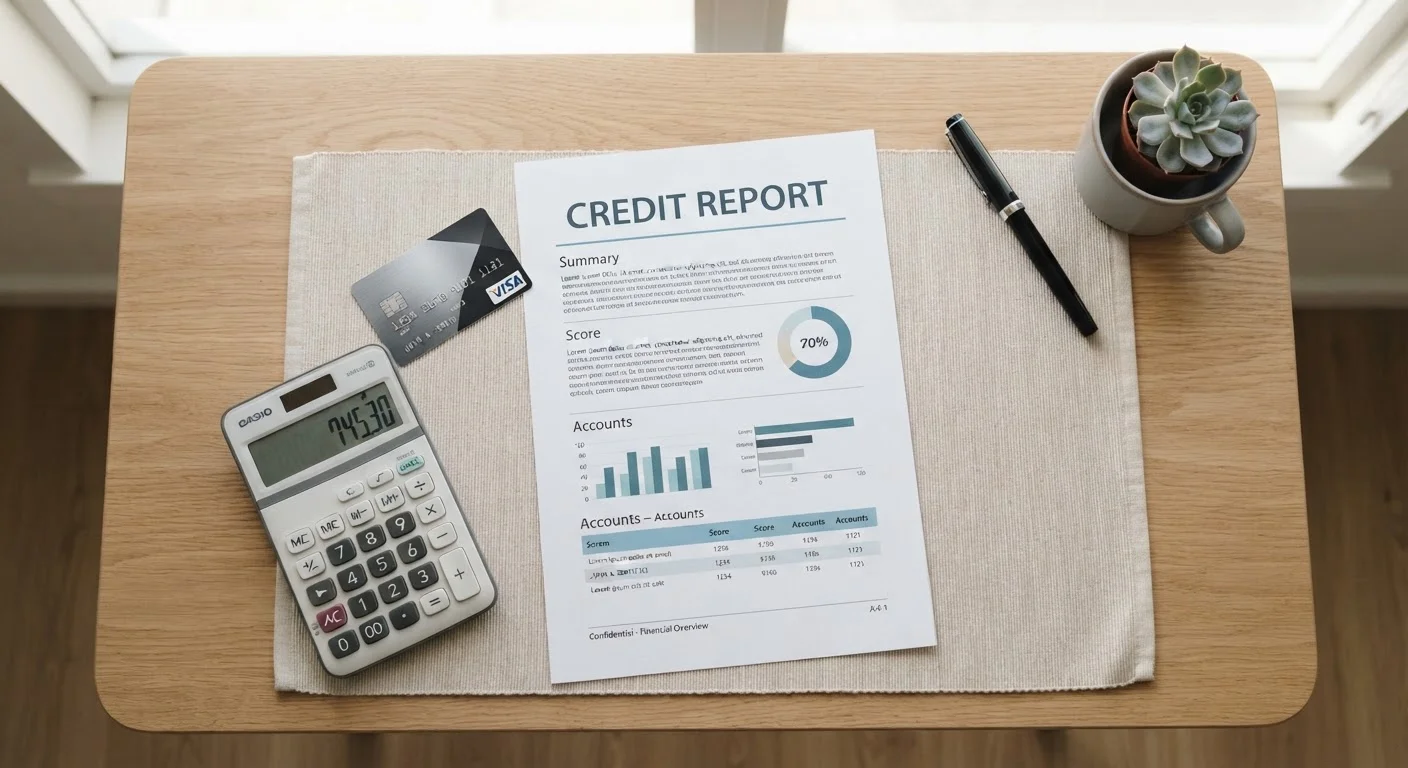
Photo: InfoAlly.net | Finding Info Made Easy editorial
Key Takeaways
- Checking your own credit score is a soft inquiry and never lowers your score.
- Closing a credit card can actually hurt your score by reducing available credit.
- Carrying a balance month to month does not help build credit - it just costs you interest.
- Income is not a factor in how credit scores are calculated.
- A single missed payment can stay on your credit report for up to seven years.
Why Credit Score Myths Are So Persistent
Credit scores influence some of the most consequential financial decisions in your life - from mortgage approvals to rental applications and even certain job screenings. Yet the way they actually work remains poorly understood by most people. Misinformation spreads easily when a topic feels technical and the stakes feel high.
The myths below aren't harmless curiosities. Acting on them can lead to real financial consequences: unnecessarily damaged scores, extra interest paid, or missed opportunities to strengthen your credit. The good news is that the truth is far simpler than most people expect. For a foundational overview of the whole credit ecosystem, this comprehensive guide to debt and credit is a strong starting point.
Myth
Checking my own credit score will lower it.
Fact
Checking your own score is a 'soft inquiry' and has absolutely no effect on your credit score.
There are two types of credit inquiries: soft and hard. When you check your own score - whether through your bank, a credit monitoring service, or AnnualCreditReport.com - it registers as a soft inquiry. Soft inquiries are invisible to lenders and do not affect your score at all.
Hard inquiries occur when a lender reviews your credit as part of a loan or credit application. These can temporarily lower your score by a few points. Knowing the difference means you can monitor your credit freely and confidently without fear of self-inflicted damage. In fact, regular self-monitoring is one of the healthiest credit habits you can build. See how to read your credit report for a step-by-step walkthrough.
Myth
Closing old or unused credit cards is always a smart financial move.
Fact
Closing a card reduces your total available credit, which can raise your credit utilization ratio and lower your score.
Credit utilization - the percentage of your available credit you're currently using - accounts for a significant portion of your credit score. When you close a card, you eliminate that card's credit limit from your total available credit. If you're carrying any balances elsewhere, your utilization ratio rises immediately.
Additionally, older accounts contribute to the average age of your credit history, another scoring factor. Closing your oldest card can shorten that average and negatively affect your score. Before closing any card, weigh these trade-offs carefully. There may be legitimate reasons to close an account (such as high fees), but it's rarely a straightforward win for your credit health. Learn more about the factors that shape your credit score.
Myth
Carrying a small balance on your credit card each month helps build credit.
Fact
You do not need to carry a balance to build credit - paying in full each month is equally effective and costs you nothing in interest.
This myth likely persists because people confuse 'using credit' with 'carrying debt.' What matters for your score is that you use your credit account and pay on time - not that you leave a balance unpaid. Carrying a balance month to month simply means you'll be charged interest, which benefits the card issuer, not your score.
Paying your statement balance in full each billing cycle demonstrates responsible use, avoids interest charges, and keeps your utilization low. That combination is far better for your credit health than intentionally keeping a balance.
Myth
Your income level directly affects your credit score.
Fact
Income is not a factor in any major credit scoring model, including FICO and VantageScore.
Credit scores are calculated based on your borrowing and repayment behavior - things like payment history, amounts owed, length of credit history, credit mix, and new credit inquiries. Your salary, hourly wage, or employment status does not appear in these calculations.
Lenders may separately consider your income when evaluating a loan application to assess your ability to repay, but that is a distinct process from credit scoring. A high earner with a history of missed payments will have a lower score than a modest earner with a spotless repayment record. For a full breakdown, see what your credit score actually measures.
Myth
One missed payment is no big deal - it will disappear from my report quickly.
Fact
A single missed payment can remain on your credit report for up to seven years and can cause a significant score drop.
Payment history is the most heavily weighted factor in most credit scoring models. A payment that is 30 or more days late is typically reported to the credit bureaus and can cause a noticeable drop in your score - sometimes significant depending on where your score currently sits.
That negative mark doesn't vanish quickly: most derogatory information, including late payments, stays on your report for seven years under the Fair Credit Reporting Act (FCRA). The good news is that the impact of older late payments diminishes over time, particularly as you build a consistent record of on-time payments afterward. Understanding why scores can drop unexpectedly can help you catch and address issues early.
Building Better Credit Starts with Accurate Information
Each of the myths above leads people toward decisions that either harm their score or cost them money unnecessarily. The corrected picture is more empowering: checking your own score freely, keeping older cards open, paying balances in full, and never missing a due date are all straightforward, high-impact habits.
35%
Weight of payment history in FICO scoring
According to FICO, payment history is the single largest factor in a standard FICO credit score calculation.
7 years
How long a late payment stays on your report
Under the Fair Credit Reporting Act, most negative marks, including missed payments, can remain on a credit report for up to seven years.
30%
Weight of credit utilization in FICO scoring
FICO identifies amounts owed - closely tied to credit utilization ratio - as the second most influential factor in score calculations.
Credit scores are not mysterious or random. They reward consistency, responsible use, and time. The more clearly you understand the rules, the more effectively you can work within them - without stress or guesswork.
This article is for general informational and educational purposes only and does not constitute personalized financial or credit advice. For guidance specific to your financial situation, consult a qualified financial professional.
The content on this site is for informational purposes only and is not a substitute for professional advice. Always consult a qualified professional for guidance specific to your situation.