
Introducing a Second Pet to the Household Without Derailing Anyone's Health

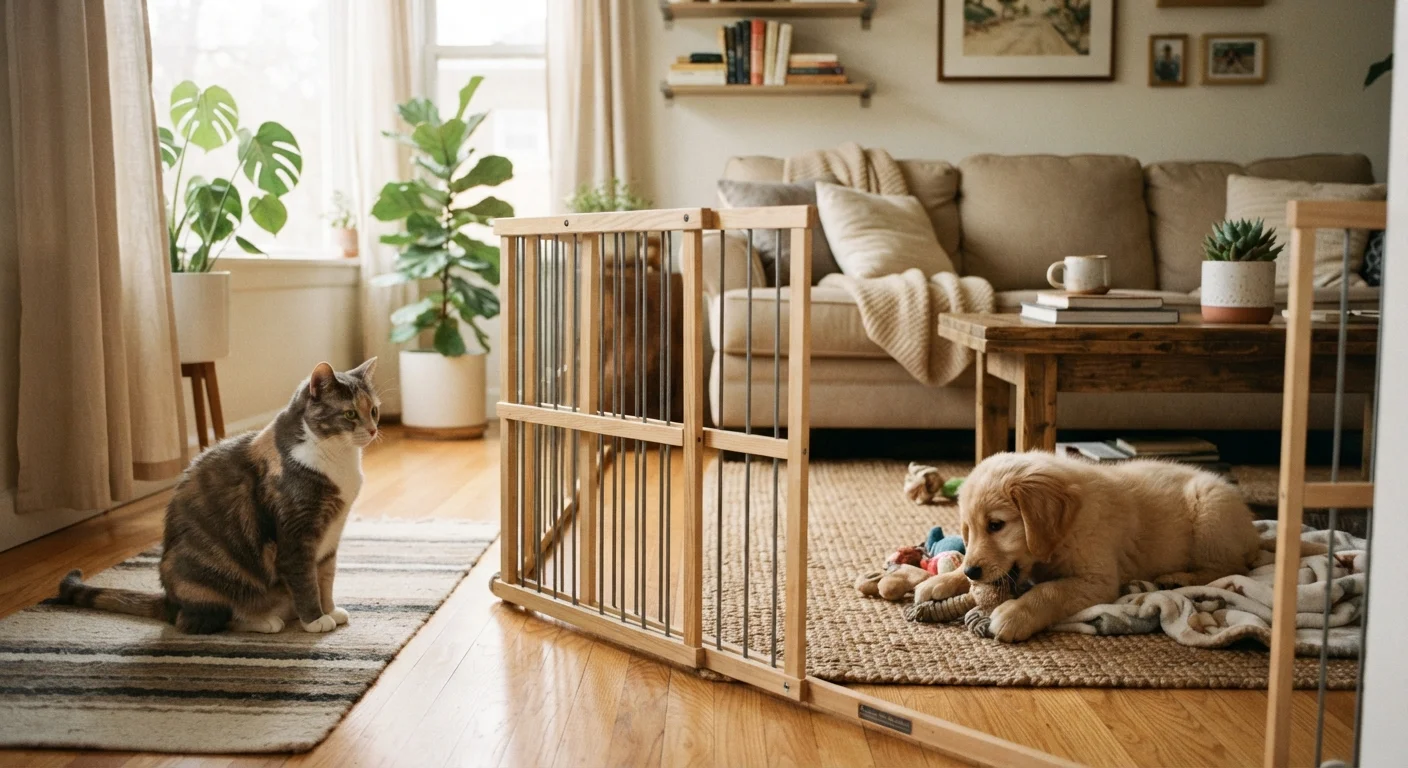
Photo: InfoAlly.net | Finding Info Made Easy editorial
Key Takeaways
- A pre-adoption vet visit for the new pet helps prevent disease transmission to resident animals.
- Stress from a rushed introduction can suppress immune function in both animals.
- Separate feeding stations and resting zones reduce resource competition and anxiety.
- Scent swapping before face-to-face contact lowers the risk of a stressful first meeting.
- Signs of illness or behavior change after introduction warrant a prompt veterinary call.
- A slow, phased approach consistently leads to better long-term household harmony.
Why Health Planning Matters Before a Second Pet Arrives
Adding a second animal is one of the most exciting decisions a pet owner can make - and one of the most health-consequential. When a new pet enters a home, it introduces unfamiliar pathogens, competing resource dynamics, and significant social stress for the resident animal. Each of these factors carries real health implications that go beyond simple behavioral adjustment.
Disease transmission is the most immediate concern. New animals - even those sourced from reputable shelters or breeders - can carry contagious illnesses asymptomatically. Upper respiratory infections, intestinal parasites, ringworm, and canine influenza are among the conditions that can spread before any visible symptoms appear. Equally important is the physiological impact of social stress: chronic stress in animals is associated with immune suppression, gastrointestinal upset, and behavioral changes that can take months to resolve if the introduction is handled poorly.
For a broader look at whether a multi-pet home is right for your situation, weighing the solo versus multi-pet experience for your animal is a helpful starting point. If you've already decided to proceed, this guide focuses specifically on protecting everyone's health through the transition.
What you will need
Step-by-Step: A Health-First Introduction
The steps below follow the sequence that veterinary behaviorists most commonly recommend - moving from disease prevention through gradual social exposure. Skipping or compressing steps is the most common reason introductions fail or result in lasting behavioral problems.
Baby gate or exercise pen
Creates a visual barrier that allows animals to see and smell each other safely without direct physical contact during early introduction stages.
Separate food and water stations
Prevents resource guarding, a common trigger for aggression and chronic stress in multi-pet households.
Soft cloths or bandanas for scent transfer
Used to transfer each animal's individual scent to the other's living space before face-to-face meetings.
Enzymatic cleaner
Neutralizes territorial scent markings that can trigger anxiety or redirected aggression between animals.
Schedule a Veterinary Exam Before the New Pet Arrives
Book a full wellness exam for the incoming pet - ideally before or immediately after bringing them home, but before any contact with resident animals. Ask your veterinarian to screen for contagious illnesses, parasites, and to verify or update vaccinations. Share your resident pets' health history so the vet can flag any specific compatibility concerns (for example, an immunocompromised resident pet may need extra precautions).
Set Up a Dedicated Quarantine Space
Before the new animal enters your home, prepare a separate room with its own food, water, litter box or pads, bedding, and enrichment. The new pet should remain in this space for a minimum of 10-14 days. Keep the door closed and wash your hands thoroughly after handling the newcomer before interacting with your resident pet. This limits potential disease transmission while the new animal settles in.
Begin Scent Introductions
During the quarantine period, start exchanging scents between the animals. Rub a soft cloth on the new pet and place it near the resident pet's resting spot, and vice versa. Observe each animal's reaction: calm sniffing is positive; sustained growling, hissing, or avoidance means more time is needed before progressing. Repeat daily, gradually moving the scent cloths closer to food or play areas to build a neutral or positive association.
Allow Controlled Visual Contact
Once both animals are reacting calmly to each other's scent, introduce brief visual contact through a cracked door, baby gate, or exercise pen. Keep sessions short - five to ten minutes - and supervise closely. Watch for sustained, stiff staring, raised hackles, hissing, or lunging, which signal that the pace is too fast. End each session before tension escalates. Repeat over several days until both animals appear relaxed during visual contact.
Introduce Shared Space Gradually
Move to brief, supervised meetings in a neutral area - a space neither animal considers exclusively theirs. Keep initial sessions very short and positive, ending before either pet shows stress signals. Gradually lengthen shared time over days or weeks based on how both animals are responding. Ensure your resident pet always has escape routes and access to its own undisturbed resources. See our guide to how pets experience home spaces for ideas on structuring your home to support both animals.
Monitor Both Animals' Health and Behavior Closely
For several weeks after introduction, observe both animals daily for changes in appetite, elimination habits, energy level, coat or skin condition, and social behavior. Stress can suppress immune function, making animals temporarily more vulnerable to illness. Contact your veterinarian promptly if you notice persistent changes in either pet. A calm, settled routine - including consistent feeding times and dedicated one-on-one attention for your resident pet - supports physical and emotional recovery from the adjustment period.
Watch for Stress-Related Health Changes
Use Scent as Your First Introduction Tool
For more detail on the broader behavioral side of multi-pet transitions, our companion guide to introducing a second pet covers planning and timing in depth. You can also explore the Pet Behavior & Training hub for additional resources on reading animal body language and managing household dynamics.
Quarantine New Pets Before Any Contact
This article provides general educational information for pet owners and is not a substitute for professional veterinary advice. Always consult a licensed veterinarian regarding the specific health needs of your animals.
The content on this site is for informational purposes only and is not a substitute for professional advice. Always consult a qualified professional for guidance specific to your situation.