
Why Your Cat Is Drinking More Water Than Usual

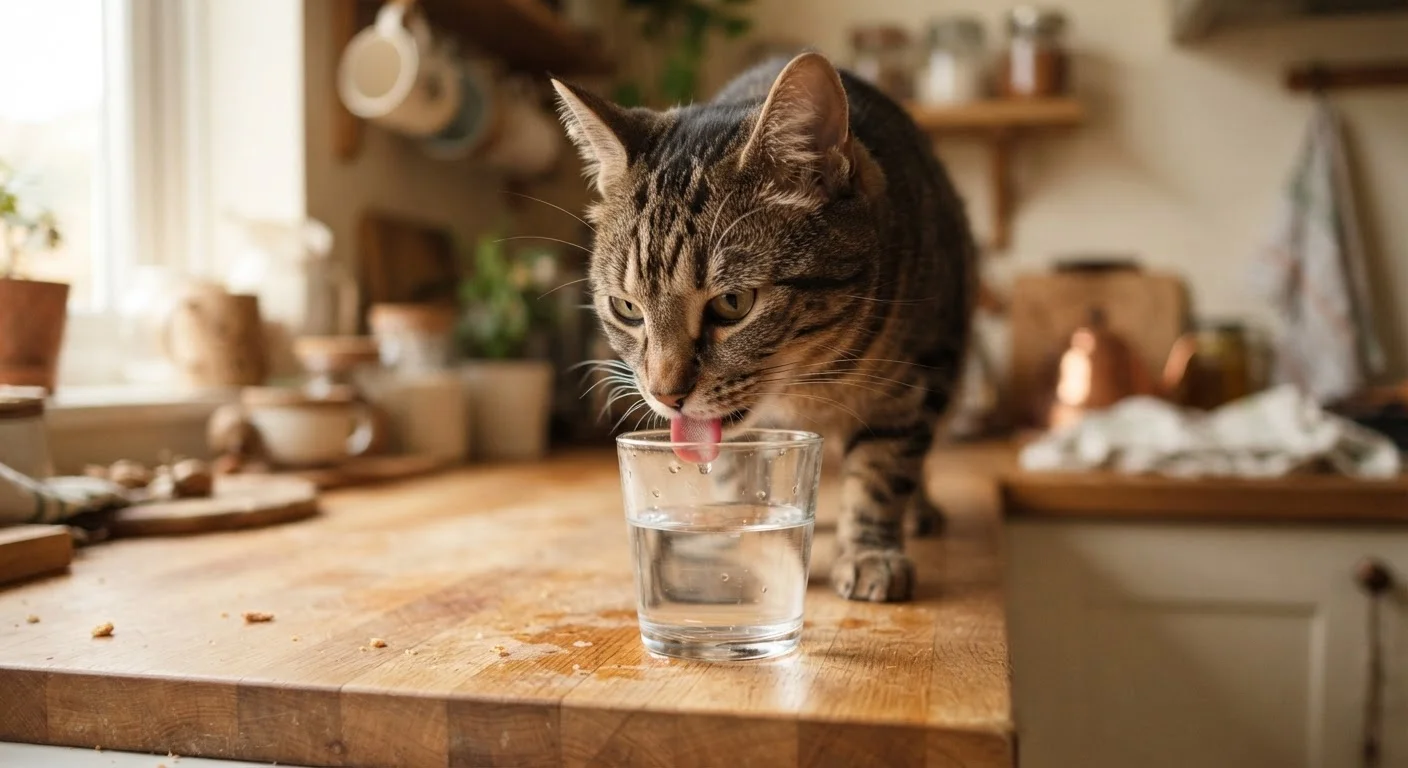
Photo: InfoAlly.net | Finding Info Made Easy editorial
Key Takeaways
- Increased water intake in cats - called polydipsia - is a recognized medical symptom, not just a quirk.
- Several conditions including diabetes, kidney disease, and hyperthyroidism can cause excessive thirst.
- Dietary changes, such as switching from wet to dry food, can also explain a temporary increase in drinking.
- Persistent or sudden changes in your cat's thirst level warrant a prompt veterinary evaluation.
- Early diagnosis of underlying conditions often leads to better long-term outcomes for your cat.
What Increased Thirst Actually Tells You
It's easy to dismiss a cat lingering at the water bowl as a minor curiosity. But when that behavior becomes a consistent pattern, it's your cat's body quietly signaling that something may need attention. Polydipsia - excessive water intake - isn't a diagnosis in itself, but it's an important symptom that veterinarians take seriously.
Cats are naturally low-thirst animals evolved from desert ancestors who obtained most of their moisture from prey. A meaningful increase in drinking is, for this reason, especially worth noticing. Tracking your cat's water intake over a few days can give your vet genuinely useful information.
Track Changes Before Your Vet Visit
Common Medical Causes Behind the Extra Thirst
Several well-documented health conditions are associated with increased thirst in cats:
- Diabetes mellitus: When a cat's body can't regulate blood sugar effectively, excess glucose spills into the urine and pulls water with it - causing increased urination and compensatory thirst.
- Chronic kidney disease (CKD): Damaged kidneys lose their ability to concentrate urine, so more water is lost and the body tries to compensate by drinking more. CKD is one of the most common conditions in older cats.
- Hyperthyroidism: An overactive thyroid gland accelerates metabolism and can affect kidney function, leading to increased thirst and urination. This condition is particularly prevalent in cats over age 10.
- Urinary tract infections: Irritation and inflammation in the urinary tract can increase the urge to drink and urinate more frequently.
These conditions are all manageable with veterinary guidance, but they require accurate diagnosis before any treatment approach is considered.
Older Cats Face Higher Risk
Non-Medical Reasons Your Cat May Be Drinking More
Not every change in water intake points to illness. Understanding the full picture helps you communicate effectively with your vet and avoid unnecessary worry.
Dietary shifts: Switching from wet food (which is roughly 70-80% moisture) to dry kibble (around 10% moisture) will cause a cat to drink significantly more water to compensate. This is a normal physiological adjustment.
Seasonal or environmental factors: Warmer indoor temperatures or increased physical activity can raise a cat's hydration needs temporarily.
New medications: Certain treatments, including corticosteroids, can increase thirst as a known side effect. If your cat recently started a medication, check with your vet about what to expect.
What to Do If You're Concerned
If your cat's water intake seems genuinely elevated and there's no obvious lifestyle explanation, here are practical steps that can help:
- Measure daily intake: Fill your cat's bowl with a known amount of water each morning and measure what's left at the same time the next day. Repeat for two to three days.
- Note accompanying symptoms: Changes in appetite, litter box frequency, weight, coat condition, or energy level are all details your vet will want to know.
- Schedule a vet visit: A blood panel and urinalysis are typically the first diagnostic steps. These tests can reveal kidney values, glucose levels, thyroid hormones, and signs of infection.
Acting early - before symptoms progress - gives your cat the best chance at an accurate diagnosis and effective management of whatever is causing the change.
This article is for general informational purposes only and does not constitute veterinary or medical advice. Always consult a licensed veterinarian for guidance specific to your cat's health needs.
Frequently Asked Questions
The content on this site is for informational purposes only and is not a substitute for professional advice. Always consult a qualified professional for guidance specific to your situation.