
Photographing Your Pet: Capturing Genuine Moments Over Posed Shots

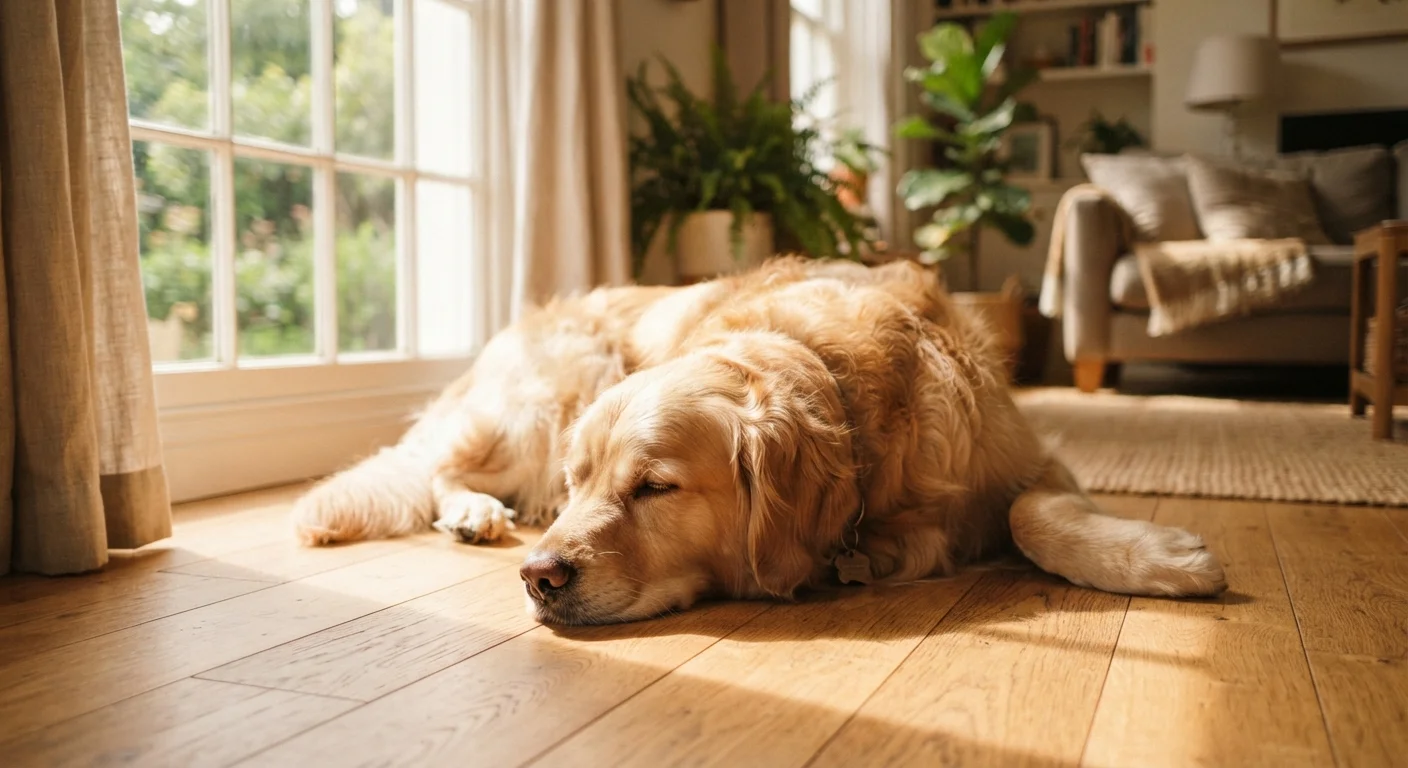
Photo: InfoAlly.net | Finding Info Made Easy editorial
Key Takeaways
- Natural light and familiar environments produce far more authentic pet photos than staged setups.
- Understanding your pet's body language helps you anticipate the perfect shot before it happens.
- Patience and quiet observation are more valuable than expensive camera equipment.
- Getting down to your pet's eye level transforms ordinary snapshots into compelling portraits.
- Short, unhurried sessions reduce pet stress and yield more relaxed, genuine expressions.
Why Genuine Moments Make Better Photos
There's a particular magic in a photo that captures your cat mid-stretch across a sunbeam, or your dog's ears perked at a sound only they can hear. These unscripted instants communicate something no posed shot can: the real personality of an animal you love.
Posed pet photography - hats, props, forced positions - often produces images that feel stiff, even comical. Worse, some setups cause stress for the animal. Genuine lifestyle photography, by contrast, celebrates who your pet actually is. It's also far more achievable for everyday pet owners using nothing more than a smartphone.
Understanding a little animal behavior goes a long way here. If you can read when your pet is playful, drowsy, curious, or on alert, you'll know exactly when to raise the camera. Our field guide to pet body language is a practical companion resource if you want to sharpen that skill.
Silence Is Your Best Tool
What You'll Need Before You Start
Good pet photography requires very little gear. What matters most is preparation and presence.
What you will need
Smartphone or digital camera
Captures images - modern smartphones perform excellently in natural light conditions.
Natural light source (window or outdoor space)
Provides soft, flattering illumination without startling your pet the way a flash would.
Favorite toy or treat
Used sparingly to direct your pet's gaze or encourage natural play behavior.
Stabilizing surface or low stool
Helps you hold steady at your pet's eye level without shaking the camera.
Step-by-Step: Capturing Authentic Pet Moments
Follow these steps during your pet's normal daily routine - not a special occasion. The more ordinary the moment, the more opportunity there is for something genuinely beautiful.
Choose the right time of day
Observe your pet's natural rhythm and pick a window when they're relaxed but not fully asleep - often after a meal or a short play session. Animals in a calm, content state offer expressive, unhurried moments. Early morning window light is particularly flattering and gentle.
Get down to their level
Shooting from above produces distant, disconnected images. Crouch, sit, or even lie on the floor to meet your pet at eye level. This single change makes photos feel intimate rather than documentary. It also allows you to capture the world from their perspective, which is inherently more interesting.
Use burst mode and wait
Rather than trying to perfectly time a single shot, hold your shutter in burst mode (most smartphones have this - press and hold the shutter button). Let the scene unfold naturally and review the results afterward. You'll often find the best frame is one you didn't consciously plan.
Focus on the eyes
Sharp eyes anchor any animal portrait. Tap the eye on your smartphone screen to lock focus there before shooting. Even if other elements of the frame are slightly soft, a clear, bright eye draws the viewer in and conveys emotion powerfully. This is especially important with dogs, cats, and birds.
Minimise distractions and set boundaries
Remove cluttered items from the background when possible - a tidy backdrop keeps attention on your pet. However, don't rearrange your pet or your home dramatically. Moving your pet repeatedly to a 'better' spot will frustrate them. Instead, reposition yourself rather than them.
Review, reflect, and repeat
After each session, scroll through your images and note which moments worked and why. Did the light come from the left? Was your pet just waking up? These patterns help you set up better conditions next time. Over weeks, you'll develop an instinct for your pet's most photogenic - and most authentic - moments. This process pairs naturally with the kind of structured observation you might already be doing if you're building a daily routine your pet enjoys.
Avoid Flash Photography Near Pets
Once you've built a small archive of candid images, they become a meaningful record of your pet's personality at different life stages. They're also perfect for marking milestones like adoption anniversaries in a way that feels personal rather than performative.
The content on this site is for informational purposes only and is not a substitute for professional advice. Always consult a qualified professional for guidance specific to your situation.