
Getting Started with a Weekly Shopping List That Actually Reduces Waste

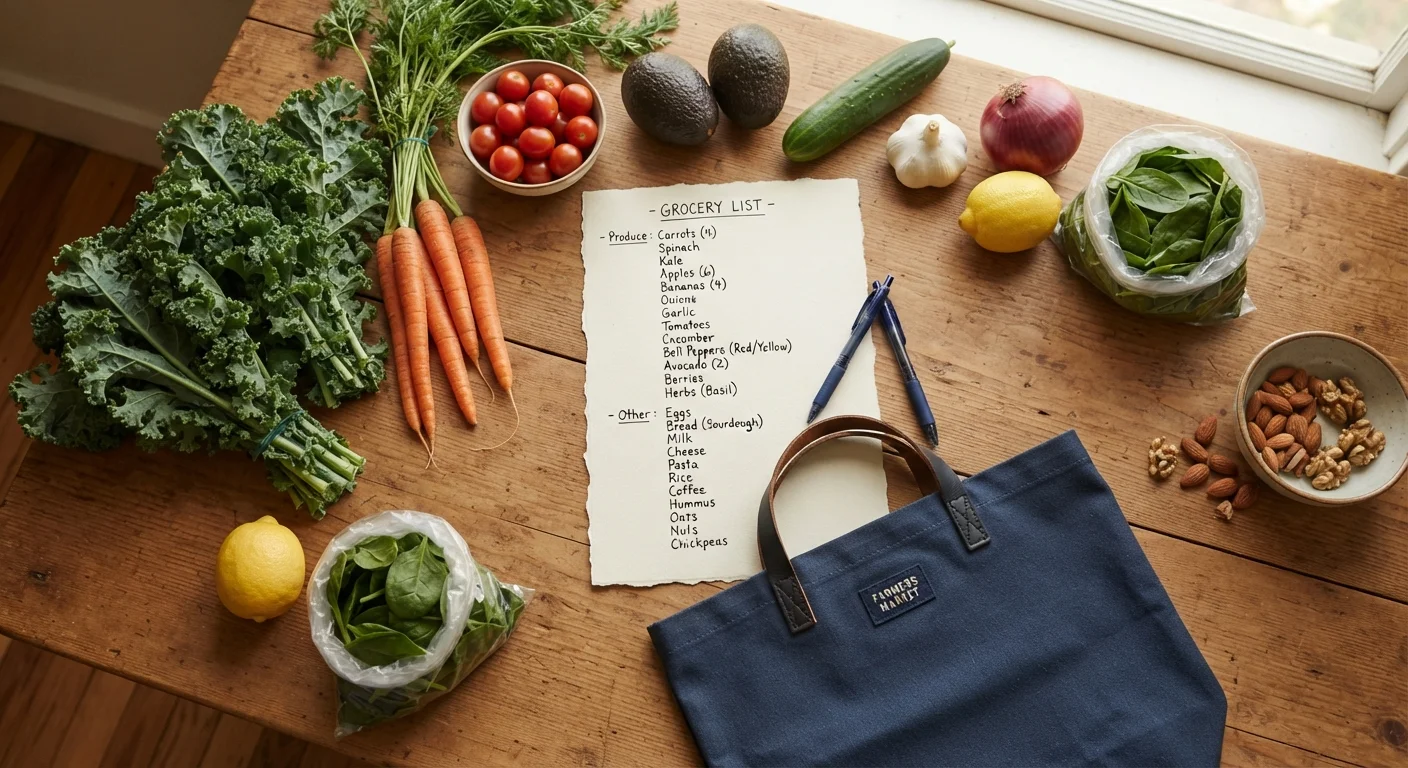
Photo: InfoAlly.net | Finding Info Made Easy editorial
Key Takeaways
- Planning meals before writing your list prevents buying ingredients you won't actually use.
- Auditing your fridge and pantry first eliminates duplicate purchases and forgotten food.
- Organizing your list by store section saves time and reduces checkout-line impulse additions.
- A consistent weekly rhythm makes list-building faster and more accurate over time.
- Tracking what goes to waste each week sharpens future lists and reduces spending.
Why a Shopping List Is a Waste-Reduction Tool
Most food waste at the household level doesn't come from spoilage that was unavoidable - it comes from buying more than a household realistically uses. A structured list addresses this directly by anchoring purchases to actual plans rather than general intentions or in-store impulses.
The same logic applies to spending. Impulse additions at the grocery store are one of the more consistent sources of budget drift, and they're almost always driven by the absence of a clear plan. If you're working on aligning your everyday purchases with a broader financial approach, the guide to building a personal spending philosophy offers useful grounding before you start.
A weekly list habit also compounds: each week of tracking what works and what gets wasted makes the next list more accurate. It's a low-effort system that produces meaningful results with consistency rather than complexity.
Use a Running List Between Shops
What You'll Need Before You Start
What you will need
Notepad or list-making app
Captures your shopping list in a format you can easily edit and carry into the store.
Weekly meal plan (paper or digital)
Anchors your list to actual meals, ensuring every ingredient you buy has a purpose.
Reusable bags
Supports a waste-reduction mindset and avoids per-trip bag costs at checkout.
How to Build Your Weekly Shopping List
Don't Skip the Fridge Check
Audit your fridge, freezer, and pantry
Before writing a single item, spend a few minutes taking stock of what you already have. Check expiration dates, note items that need to be used soon, and set aside anything that should be incorporated into this week's meals. This prevents buying duplicates and gives you a realistic starting point.
Sketch a simple meal plan for the week
You don't need a rigid schedule - even a loose list of five or six dinners and a few go-to lunches is enough. The goal is to ensure every ingredient you buy connects to something you'll actually cook. A meal plan transforms your shopping list from guesswork into a purposeful purchasing decision. If you want a deeper framework for building this habit, see our weekly eating routine guide.
Write your list and organize it by store section
Draft your list based on your meal plan and your audit findings. Then group items by store section - produce, dairy, proteins, dry goods, frozen. This reduces backtracking, keeps you focused, and limits the time you spend in areas that tend to generate impulse purchases.
Set a quantity rule for perishables
For fresh produce, proteins, and dairy, estimate quantities based on your actual meal plan rather than general habit. Ask: how many servings of this ingredient do the planned meals actually require? Buying precisely what you need - rather than what feels like a reasonable amount - is the most direct path to reducing perishable waste.
Review the list before you leave home
Do a final 60-second check before heading out. Confirm that each item connects to a specific meal or a known household staple. Remove anything that feels like a "maybe" - if it's not tied to a plan, it's likely to become waste. This review step is where discipline pays off.
Track what gets wasted and adjust next week
At the end of the week, take note of what went unused or had to be thrown out. One or two items is normal; a consistent pattern signals a planning gap. Use this feedback to refine quantities, drop ingredients that don't fit your realistic cooking habits, or reconsider meals that consistently don't happen. This is the loop that makes the system improve over time.
Once the habit is in place, you may want to review whether your grocery spending aligns with your broader financial priorities - a personal spending audit is a useful next step. For nutritional context, the weekly nutrition self-check pairs well with meal planning work.
Making the Habit Stick Over Time
The value of a weekly shopping list comes from repetition, not perfection. The first few lists will take longer and will likely include a few misses. That's expected. What matters is keeping the feedback loop active - note what worked, what went unused, and what you forgot to include.
Bulk Buying Isn't Always Smarter
If you want to go further, explore habits that keep everyday spending aligned with your values - the same routine-building principles that apply to grocery shopping extend across most areas of consumer spending. For broader budgeting context, the budgeting basics hub covers the foundational strategies worth knowing.
The content on this site is for informational purposes only and is not a substitute for professional advice. Always consult a qualified professional for guidance specific to your situation.