
How Loyalty Programmes Actually Work - and What They're Designed to Do

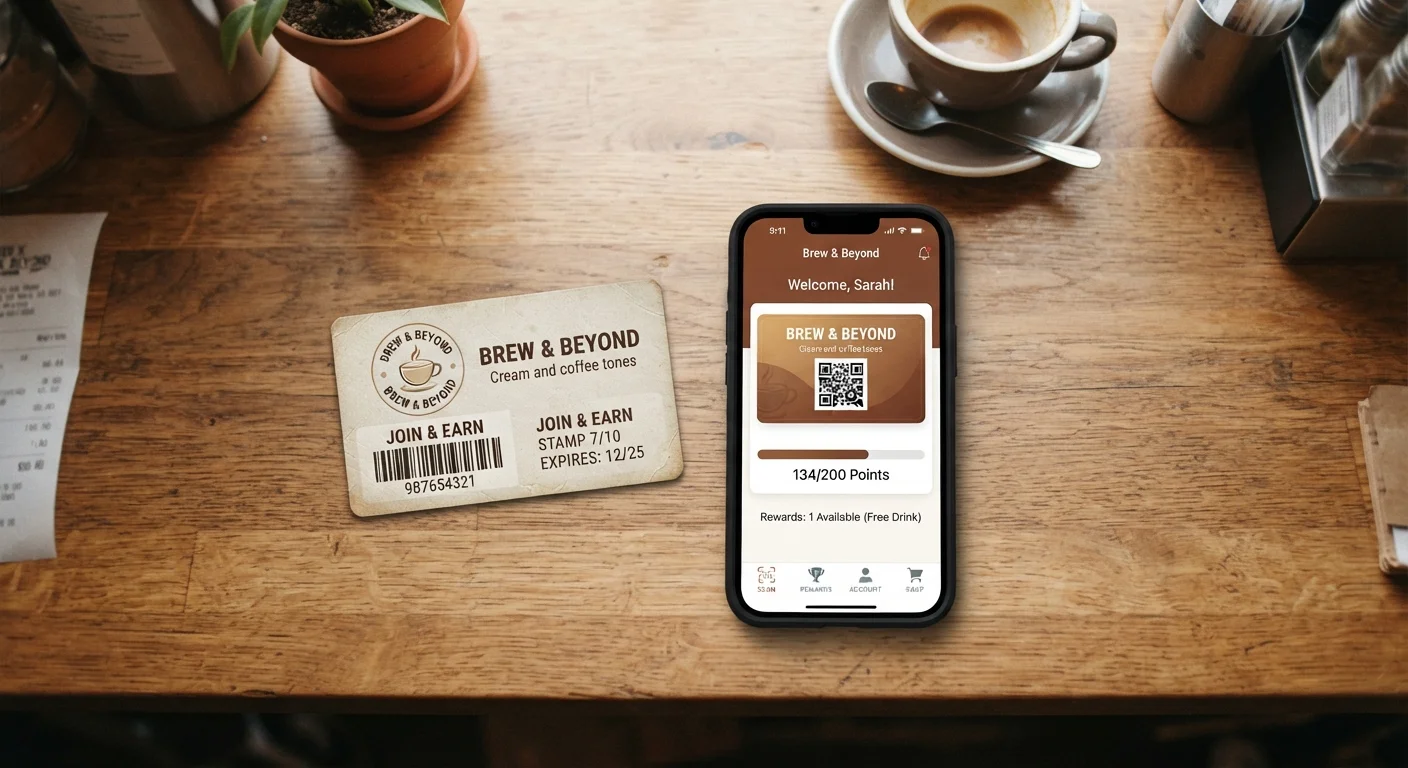
Photo: InfoAlly.net | Finding Info Made Easy editorial
Key Takeaways
- Loyalty programmes are designed primarily to change your purchasing behaviour, not simply to reward it.
- Points and rewards often expire, devalue, or come with redemption restrictions that reduce their real-world value.
- Tiered status structures encourage higher spending to unlock better benefits - often beyond what's financially rational.
- Signing up is rarely harmful, but concentrating all spending with one brand to chase rewards can cost more than it saves.
- Your data is part of what you're exchanging - loyalty programmes generate detailed consumer behaviour profiles.
The Basic Mechanics: How Points Actually Accumulate
Most loyalty programmes operate on a simple earn-and-burn model: spend money, accumulate points or miles, then redeem those for rewards. The earn rate - say, one point per dollar spent - is set by the business and can be adjusted at any time. Redemption rates determine what those points are actually worth, and that figure is often surprisingly low. A point that costs a consumer one dollar to earn might redeem for half a cent in value.
Many programmes also use bonus multipliers to accelerate earning on specific categories or during promotional periods. These mechanics create the impression that the programme is highly generous while keeping overall programme liability manageable. Tiered membership structures - Silver, Gold, Platinum, and so on - add another layer, requiring progressively more spending to unlock better redemption rates or perks.
~$360B
Estimated global loyalty programme market value
Industry analysts have estimated the combined value of outstanding loyalty points and miles across global programmes runs into the hundreds of billions of dollars - representing a substantial liability businesses actively manage.
~50%
Points that go unredeemed
Research across multiple loyalty sectors consistently finds that a large share of earned points are never redeemed - a structural benefit to programme operators and a loss of value to consumers.
3-5x
Spend increase sought by tiered programmes
Tiered loyalty structures are typically designed so that the threshold between levels represents a meaningful spend increase, often several multiples of average member spend.
What Loyalty Programmes Are Actually Designed to Do
Retail loyalty schemes exist to solve a business problem: how do you get customers to return and spend more? The programme is the answer. By creating a sense of accumulated value - a points balance you'd "lose" by switching to a competitor - businesses build what behavioural economists call switching costs. These aren't financial penalties; they're psychological ones.
Tiered status amplifies this. Once a customer reaches Gold status, the perceived cost of starting over at a competitor is significant enough to keep them in place even if prices or service quality slip. The programme also functions as a data collection engine: every transaction feeds a detailed profile used to target you with personalised promotions timed to moments when you're most likely to spend.
“Loyalty programmes are less about rewarding customers and more about acquiring behavioural data and engineering repeat purchases. The reward is real - but it's a means to an end, not a gift.”
— Consumer behaviour researcher, Academic specialising in retail marketing and consumer psychology
Understanding this design doesn't mean loyalty programmes aren't useful - it means you're better equipped to engage with them strategically rather than reactively. Building spending habits aligned with your values makes it easier to evaluate whether a programme genuinely suits your routine or subtly steers it.
Where the Value Is Real - and Where It Erodes
Loyalty programmes can deliver genuine value under specific conditions: you already shop at the retailer regularly, the rewards are straightforward to redeem, and the programme doesn't push you toward higher spend to maintain status. Cashback programmes tend to be the most transparent because the return is expressed in dollars rather than abstract points.
Value erodes in predictable ways. Points devaluation - when a company quietly changes how many points a reward costs - is common and rarely announced prominently. Expiry terms, category exclusions on redemptions, and blackout dates on travel rewards all reduce the practical utility of accumulated balances. If you've ever found a points balance you'd forgotten about and discovered it had lapsed, you've experienced this firsthand.
Audit Your Loyalty Memberships Annually
It's also worth noting that loyalty pricing isn't always neutral. Some research suggests that member-only sale prices can anchor shoppers to reference prices that make regular prices feel like a premium - a dynamic worth watching. For similar reasons, understanding retailer policies in full - not just the headline offer - protects your interests as a consumer.
This article is for general informational purposes only and does not constitute financial or consumer advice tailored to your individual circumstances.
Frequently Asked Questions
The content on this site is for informational purposes only and is not a substitute for professional advice. Always consult a qualified professional for guidance specific to your situation.