
Spending More to Save More: When 'Bulk Buying' Actually Costs You

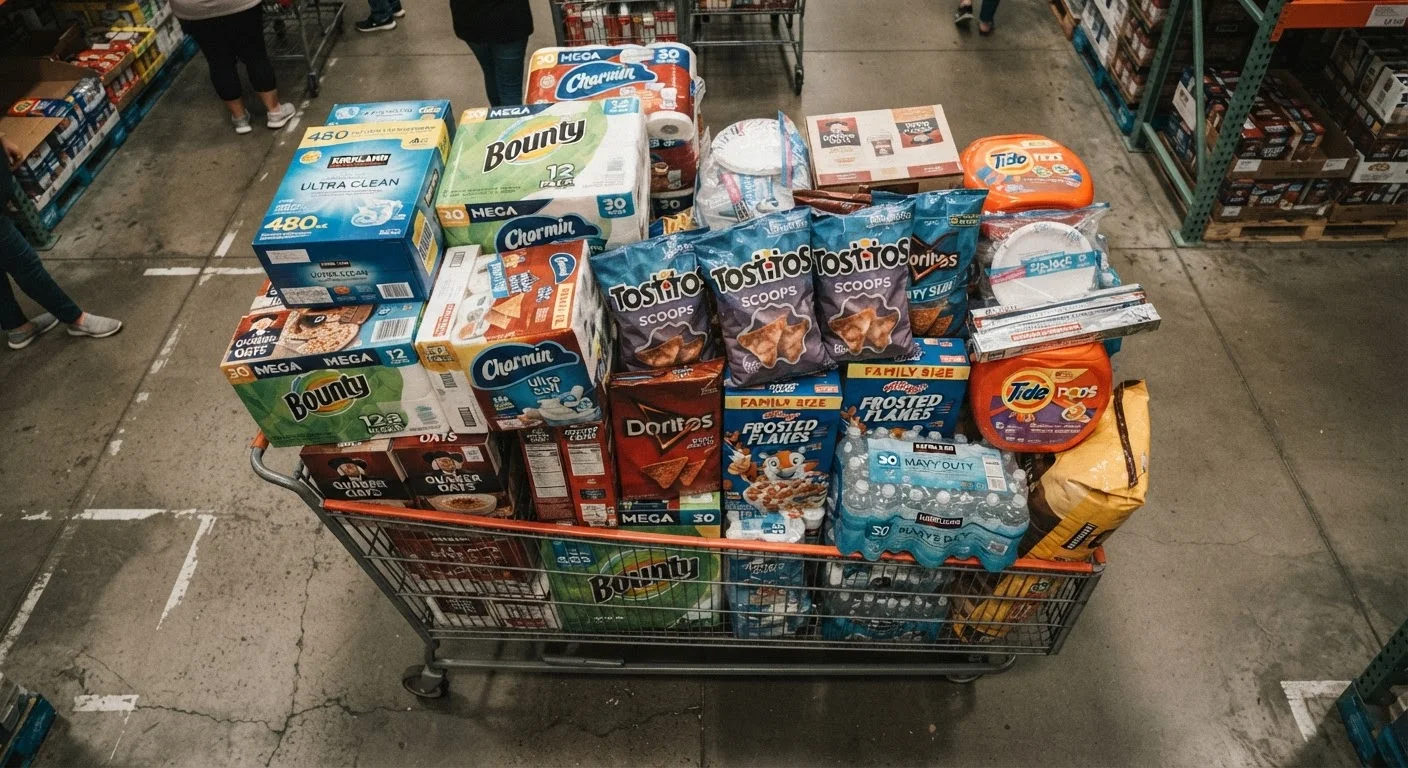
Photo: InfoAlly.net | Finding Info Made Easy editorial
Key Takeaways
- Bulk buying only saves money when you reliably use the product before it expires or degrades.
- Storage costs, spoilage, and upfront cash outlay can erase the per-unit savings entirely.
- Household size, consumption rate, and product shelf life should drive bulk purchasing decisions.
- The psychological pull of a 'deal' often leads to buying more than you actually need.
The Bulk-Buying Promise - and Its Limits
Warehouse clubs and bulk retailers have built entire business models on a simple premise: buy more, pay less per unit. It's a compelling pitch, and in the right circumstances, it genuinely holds up. But the per-unit price is only part of the equation. The full cost of a bulk purchase includes what you spend upfront, how much you actually use, and what gets wasted, forgotten, or replaced before it's gone.
For everyday shoppers trying to stretch a budget, understanding when bulk buying works - and when it quietly works against you - is more useful than a blanket policy in either direction. This isn't about avoiding warehouse stores; it's about shopping them intentionally. As we explore in why spending less isn't the same as spending well, cutting costs without purpose can undermine your goals rather than support them.
Buying in bulk based on unit price alone, without factoring in whether you'll actually use the full quantity.
Ignoring the storage cost and space required to house bulk purchases.
Treating the warehouse membership fee as already spent, rather than as an ongoing cost to justify.
Buying variety or novelty items in bulk that you haven't tested in a standard size first.
Assuming that buying in bulk always aligns with a value-focused shopping approach.
Making Bulk Buying Work for You
The households that genuinely benefit from bulk purchasing share a few common traits: predictable consumption, adequate storage, and discipline around impulse additions to the cart. If those conditions are met, bulk buying can meaningfully reduce the cost of staples over time.
~30-40%
Estimated household food waste by weight
The USDA has estimated that between 30 and 40 percent of the US food supply is wasted, much of it at the consumer level - a figure that bulk perishable overbuying can worsen.
2-3x
Typical bulk package size versus standard retail
Bulk club pack sizes commonly contain two to three times the volume of standard retail equivalents, making accurate consumption planning essential before purchase.
A practical starting point is auditing your current consumption before committing to volume. How long does a standard package of that item last in your home? If the bulk size represents more than two to three months of typical use, the savings may not justify the upfront spend or the storage demand - particularly for perishables or products with expiration dates.
It's also worth applying the same scrutiny you'd use for any larger purchase. The cost-per-use mindset is useful here: a low unit price only reflects good value if the item actually gets used. And if bulk shopping is part of a broader budgeting strategy, practical saving and growing guidance can help frame where reduced grocery spend fits within your overall financial picture.
Upfront Spend Can Squeeze Cash Flow
Done well, bulk purchasing is a tool - not a strategy in itself. Pair it with a clear consumption baseline, honest storage assessment, and a firm list, and it can deliver real value. Let it run on autopilot, and the savings you thought you were capturing may never materialise.
This article is for general informational purposes only and does not constitute financial or purchasing advice. Readers should evaluate their own circumstances before making spending decisions.
The content on this site is for informational purposes only and is not a substitute for professional advice. Always consult a qualified professional for guidance specific to your situation.