
Spending Patterns That Quietly Undermine Long-Term Goals

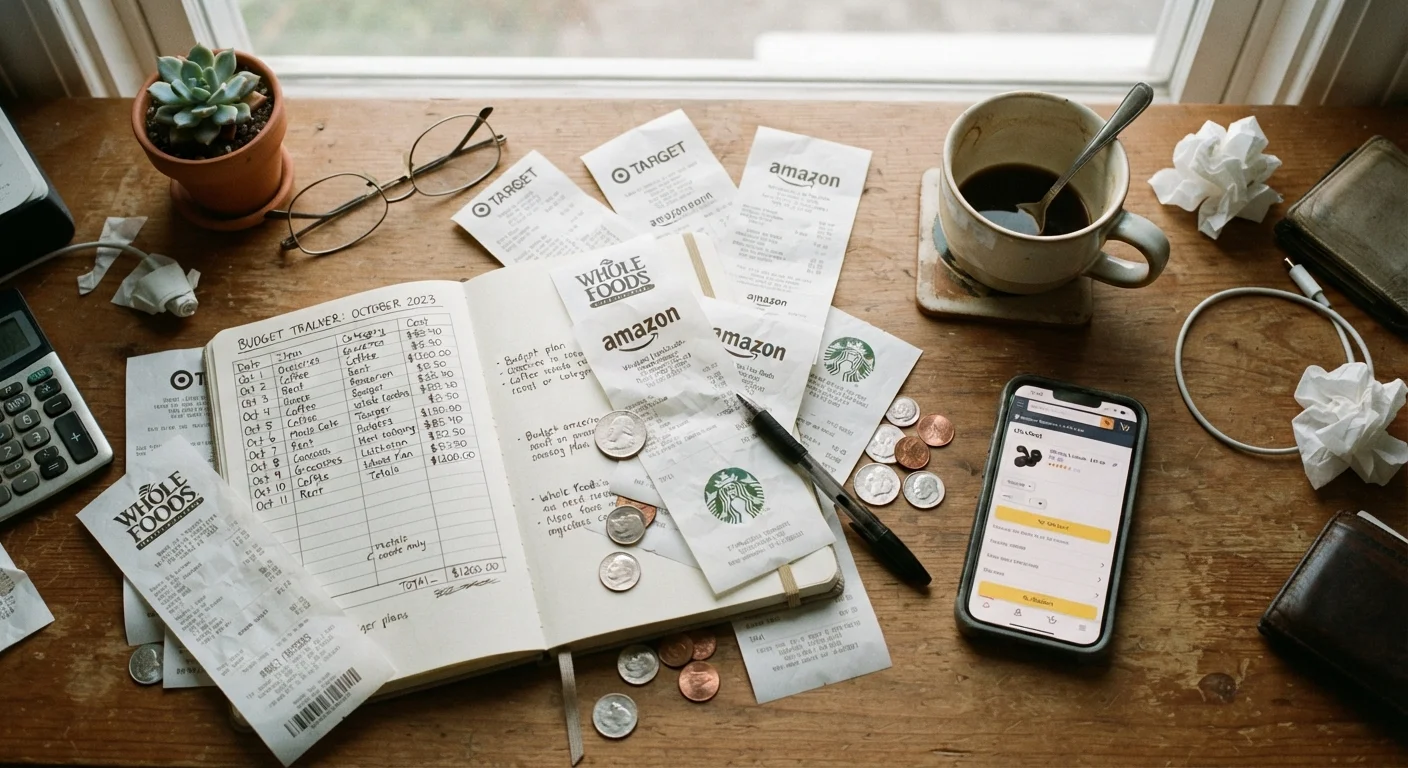
Photo: InfoAlly.net | Finding Info Made Easy editorial
Key Takeaways
- Habitual spending patterns often feel harmless individually but accumulate into meaningful financial drag over time.
- Many erosive habits are driven by convenience or emotion rather than deliberate choice.
- Recognizing the pattern is the first step; recalibrating it requires a simple, repeatable check-in process.
- Aligning spending with stated priorities - not just moods - is what separates reactive from intentional consumption.
Why Harmless-Seeming Habits Add Up
Most people don't derail their financial goals with one reckless decision. The damage is quieter - it accumulates through dozens of small, automatic choices made over months or years. A subscription renewed without review, a convenience purchase justified by a stressful week, an upgrade bought because it was on sale rather than because it was needed. None of these feel like mistakes in the moment.
The problem isn't spending itself. It's spending that drifts away from what you actually value without you noticing. Understanding how emotional states steer spending decisions can help explain why this drift happens so reliably. Once you spot the patterns below, you'll have a clearer sense of where to recalibrate.
Renewing subscriptions on autopilot without reviewing their actual use.
Treating 'sale' pricing as a reason to buy rather than a discount on something already chosen.
Using convenience purchases to compensate for poor planning rather than addressing the planning gap.
Spending to signal progress toward a goal rather than making actual progress.
Upgrading functional items before they've actually reached the end of their useful life.
Letting social context override personal financial priorities without conscious acknowledgment.
The Compounding Cost of Drift
Each of these mistakes shares a common thread: they feel low-stakes individually. That's precisely what makes them effective at undermining long-term goals. Unlike a large, obvious purchase that triggers scrutiny, habitual micro-patterns fly under your own radar.
~$300/yr
Estimated average unused subscription cost per household
Consumer research has consistently found that households underestimate their total subscription spending by a significant margin, often carrying services unused for months.
2-3x
How much convenience spending multiplies when planning lapses
Studies on food spending patterns suggest that unplanned, convenience-driven purchases can cost two to three times the equivalent planned expenditure over the course of a month.
A useful reframe is to stop asking "Can I afford this?" and start asking "Does this reflect what I'm trying to build?" That shift moves spending from reactive to intentional. If you're working through budgeting fundamentals, connecting your budget categories to named goals - not just dollar limits - makes it much harder for drift to go unnoticed.
The goal isn't to eliminate comfort spending or to treat every purchase as a moral question. It's to spend in ways that reflect your actual priorities rather than just your current mood. Spending less and spending well are not the same thing, and confusing the two can lead to its own kind of dissatisfaction.
A quarterly spending review - even just 20 minutes looking at where money actually went versus where you intended it to go - closes the feedback loop that most drifting spending never gets. Pair that habit with a clear sense of what you're working toward, and the small decisions start to make themselves more naturally.
This article is for general informational purposes only and does not constitute personalized financial advice. For guidance specific to your financial situation, consider consulting a qualified financial professional.
The content on this site is for informational purposes only and is not a substitute for professional advice. Always consult a qualified professional for guidance specific to your situation.