
Car Ownership Costs That Catch New Drivers Off Guard

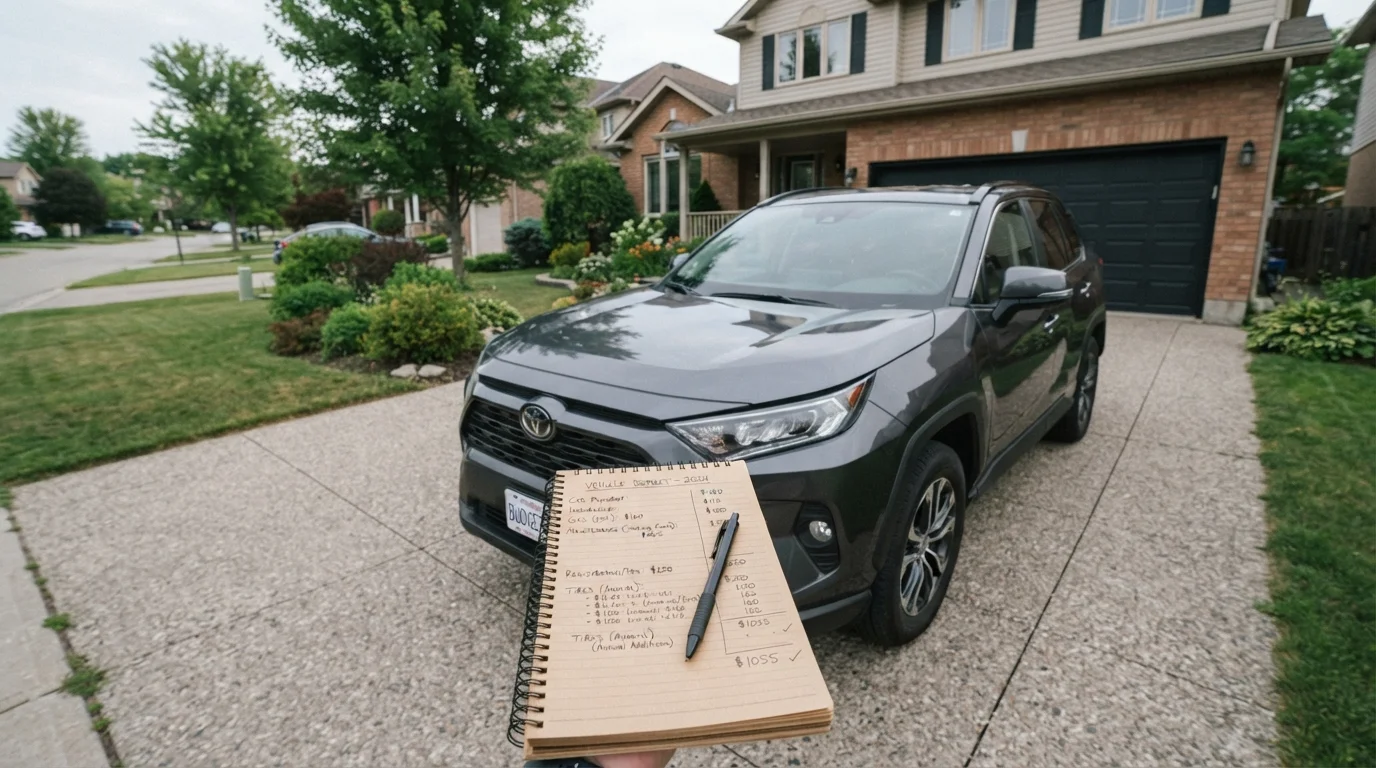
Photo: InfoAlly.net | Finding Info Made Easy editorial
Key Takeaways
- Auto insurance, fuel, and maintenance together often exceed a car's monthly loan payment.
- Registration fees, property taxes, and inspection costs vary widely by state and can surprise new owners.
- Depreciation silently erodes vehicle value - understanding it helps you make smarter ownership decisions.
- Emergency repairs and roadside situations are unpredictable; a dedicated savings buffer is essential.
- Parking, tolls, and commuting add-ons can quietly inflate your total transportation spend.
What the Dealership Doesn't Show You
Buying a car feels like the finish line. In reality, it's the starting gun. For new drivers especially, the sticker price - or even the monthly loan payment - can create a false sense of what ownership actually costs. The expenses that follow a purchase rarely arrive all at once, which makes them easy to underestimate until they hit your bank account hard.
A full picture of car ownership spans far beyond the transaction itself. From the moment you drive off the lot, you're responsible for a layered set of recurring, variable, and surprise expenses that most first-time owners simply aren't prepared for. The list below breaks down the costs most likely to catch you off guard - and what to know about each one before they do.
Auto Insurance Premiums
Insurance is non-negotiable in nearly every U.S. state, and premiums are often significantly higher for new or young drivers. Rates are calculated based on your driving history, age, location, vehicle type, and coverage level - factors that can push monthly premiums into the hundreds of dollars. Many first-time buyers shop for a car without checking insurance costs first, only to discover their chosen vehicle is expensive to insure.
Coverage requirements also differ by state: minimum liability coverage may be legally sufficient but leave you exposed financially if you're in a serious accident. Understanding the difference between liability, collision, and comprehensive coverage is essential before you commit to a policy level.
Insurance premiums for new drivers can rival or exceed the monthly loan payment itself.
Fuel and Energy Costs
Fuel is one of the most variable and visible ongoing expenses in car ownership. How much you spend depends on your vehicle's fuel efficiency, how far you drive, and fluctuating gas prices - none of which are fixed. A vehicle with a lower sticker price but poor fuel economy can cost substantially more over time than a slightly pricier, more efficient alternative.
For electric vehicle owners, home charging setup costs and public charging fees add a different dimension. EV ownership has its own hidden cost layers that go well beyond the purchase price and deserve careful evaluation before switching.
A vehicle's fuel economy can make or break your long-term ownership budget.
Routine Maintenance
Oil changes, tire rotations, air filters, brake pads, and fluid top-offs are predictable - but many new owners still neglect them because the cost feels inconvenient in the moment. Skipping scheduled maintenance is one of the most reliable ways to turn a manageable expense into an expensive repair. Manufacturers publish maintenance schedules for every vehicle; following them protects both the car and your wallet.
Labor costs vary considerably depending on whether you use a dealership service center or an independent shop. Budgeting a conservative monthly amount for routine maintenance - even when nothing is due that month - creates a ready reserve when service is needed.
Deferred routine maintenance is one of the fastest paths to major, avoidable repair bills.
Registration, Taxes, and Inspection Fees
Annual vehicle registration fees vary dramatically by state - from under $50 in some states to several hundred dollars in others, sometimes calculated as a percentage of the vehicle's value. Some states also levy an annual personal property tax on vehicles. Add state-mandated safety or emissions inspections, and these administrative costs can quietly total several hundred dollars per year.
New owners sometimes budget for the initial registration at purchase but forget to account for annual renewal costs. These are fixed obligations that arrive on a schedule whether or not anything else in your budget has changed.
Registration and tax obligations vary by state and can add hundreds of dollars annually.
Depreciation
Depreciation isn't a bill you pay - it's value you lose. New vehicles typically lose a significant portion of their value in the first few years of ownership, meaning the gap between what you owe on a loan and what your car is worth can widen quickly. This matters most if you need to sell or trade in the vehicle before the loan is paid off, or if the car is totaled and insurance pays only the current market value.
Understanding depreciation also connects directly to financing decisions. Common car financing pitfalls include borrowing more than a vehicle's depreciated value supports, which can leave owners financially exposed.
Depreciation is the largest single cost of new car ownership - and the least visible.
Unexpected Repairs and Emergency Costs
No matter how diligently you maintain a vehicle, unexpected repairs happen - a blown tire, a failing alternator, a cracked windshield. Without a financial buffer, these events force owners into high-interest financing or credit card debt. Automotive repair costs have risen notably in recent years due to supply chain pressures and increasingly complex vehicle systems.
A dedicated vehicle emergency fund - separate from general savings - is one of the most practical steps any car owner can take. Even modest monthly contributions can prevent a single repair from derailing your broader budget. Hidden costs follow every major purchase, and vehicles are no exception.
A dedicated vehicle repair fund turns emergencies into inconveniences instead of financial crises.
Parking, Tolls, and Commuting Add-Ons
Urban and suburban drivers alike encounter parking fees, toll roads, and commuting-related costs that rarely appear in car-buying conversations. Monthly parking in a city can run into the hundreds of dollars. Toll transponder fees, bridge tolls, and highway charges compound over a daily commute. Even suburban drivers may face HOA parking rules, permit fees, or paid event parking that adds up steadily.
These costs are worth mapping against your actual routes and habits before purchase. For those weighing vehicle ownership against other transportation options, the full comparison of car ownership versus going car-free offers a grounded look at what each path really costs day to day.
Parking and tolls are invisible in car ads but very visible in your monthly bank statement.
Building a Budget That Actually Works
Taken individually, each of these cost categories may seem manageable. Together, they can add up to thousands of dollars per year beyond your loan payment. Industry estimates have historically placed average annual ownership costs - insurance, fuel, maintenance, registration, and depreciation combined - well above what most new drivers anticipate when they focus only on the purchase price.
Start With a Monthly Cost Estimate
Approaching car ownership with a realistic, itemized budget from day one puts you in control. The Budgeting Basics hub offers practical frameworks for tracking all your spending categories, including transportation. And if you want to understand how a vehicle purchase fits into the broader household picture, transportation costs as a household budget category is worth reading before you commit to a vehicle.
This article is for general informational purposes only and does not constitute financial or legal advice. Costs vary significantly by location, vehicle type, driving habits, and individual circumstances. Consult a qualified financial professional for guidance tailored to your situation.
The content on this site is for informational purposes only and is not a substitute for professional advice. Always consult a qualified professional for guidance specific to your situation.