
Fitness Myths That Keep People From Starting: A Reality Check

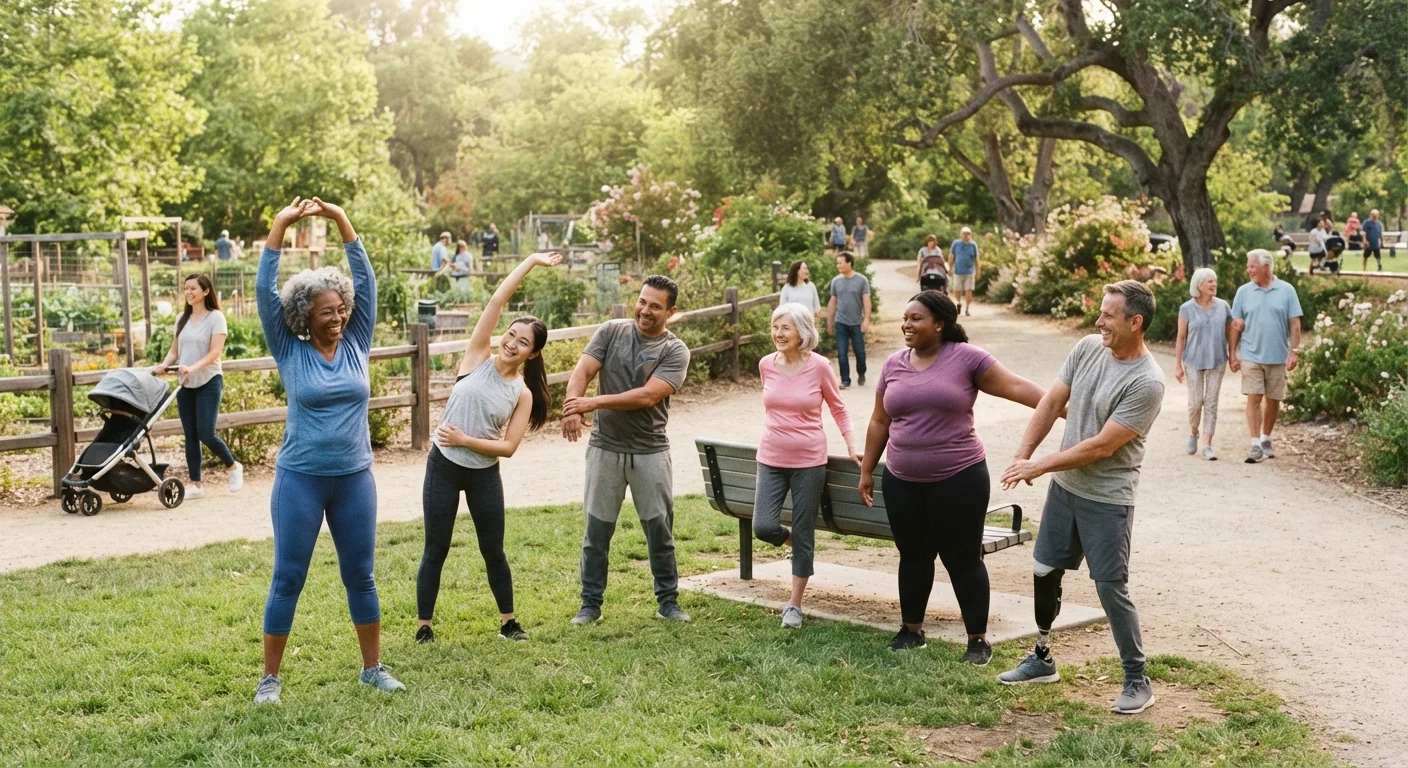
Photo: InfoAlly.net | Finding Info Made Easy editorial
Key Takeaways
- You don't need to exercise every single day to see meaningful fitness benefits.
- Muscle soreness is not a reliable indicator of workout quality or progress.
- Strength training does not cause women to become bulky - it supports lean muscle and bone health.
- Short bouts of movement throughout the day count toward overall physical activity goals.
- Beginners don't need a gym membership or specialized equipment to start moving consistently.
Why Fitness Myths Stick - and Why They Matter
Misinformation about exercise is surprisingly durable. It circulates through gyms, social media feeds, and well-meaning advice from friends - and it keeps a lot of people from ever lacing up their shoes. Some myths sound logical on the surface. Others have a kernel of truth that's been stretched far beyond what the evidence supports.
What makes fitness myths particularly costly is that they raise the bar for getting started. If someone believes they need an hour a day, perfect form, or the right equipment before movement counts, the result is often inaction. This article takes some of the most common misconceptions head-on - so you can make clearer decisions about how you move.
If you're thinking about beginning a routine, what to expect in your first month of exercise is a practical starting point.
Myth
You need to work out every day or the effort won't add up to anything.
Fact
Most major health guidelines recommend 150 minutes of moderate activity per week - which averages to around 30 minutes, five days a week, with rest built in.
This myth sets an all-or-nothing standard that discourages beginners before they begin. The body needs recovery time to adapt to physical stress - muscles repair and strengthen during rest, not during the workout itself. Exercising every day without adequate recovery can lead to fatigue, overuse injuries, and reduced motivation. Starting with three to four days of movement per week is a well-supported and effective approach for most healthy adults.
Myth
If your muscles aren't sore the next day, the workout didn't work.
Fact
Soreness (known as DOMS) reflects muscle tissue responding to unfamiliar stress - not a measure of effectiveness or progress.
Delayed onset muscle soreness typically peaks 24 to 72 hours after exercise and is most common when you try a new movement pattern or increase intensity. As your body adapts, the same workout will produce less soreness - not because it stopped working, but because your muscles have become more efficient. Chasing soreness as a goal can lead to overtraining and injury. Progress is better tracked through performance markers like endurance, strength, or how a routine feels over time.
Myth
Lifting weights will make women bulk up and look less feminine.
Fact
Resistance training builds lean muscle and supports bone density, metabolism, and functional strength - significant muscle mass gain requires specific, sustained conditions that don't happen by accident.
The physiology behind large muscle development involves high training volumes, progressive overload over months or years, and in many cases, hormonal factors. The average person - particularly women, who have lower baseline testosterone levels - will not develop pronounced bulk from regular strength training. What most people do notice is improved muscle tone, better posture, and increased daily energy. Strength training is consistently recommended by health organizations for adults of all genders.
Myth
Short workouts are too brief to be worth anything.
Fact
Even 10-minute bouts of moderate movement have measurable cardiovascular and metabolic benefits, and multiple short sessions throughout the day can be as effective as one longer one.
The idea that exercise only counts above a certain time threshold has been challenged by a substantial body of research. Accumulated activity - sometimes called "exercise snacking" - contributes meaningfully to weekly activity totals. A 10-minute walk after lunch, a brief bodyweight circuit in the morning, and an evening stretch session can together deliver real health value. This is particularly useful for people with busy schedules or low initial fitness levels who find longer sessions overwhelming.
Myth
You need a gym membership and specialized equipment to get fit.
Fact
Bodyweight exercises, outdoor walking, and home-based routines can provide a comprehensive foundation for fitness without any specialized equipment.
Equipment and facilities can add variety and progression, but they are not prerequisites. Push-ups, squats, lunges, planks, and brisk walking require nothing more than a little floor space and supportive footwear. The barrier of perceived cost or access keeps many people from starting - when in reality, the basics of movement are available to most people right now. Understanding common fitness terms can also help beginners feel less intimidated when exploring new activities.
Putting the Myths in Context: What Actually Works
Cutting through these misconceptions points toward a simpler truth: consistency and sustainability matter far more than intensity or perfection. Research on physical activity consistently shows that moderate, regular movement provides substantial health benefits - even when it doesn't feel hard.
150 min
Weekly moderate activity recommended for adults
According to the U.S. Department of Health and Human Services Physical Activity Guidelines for Americans, adults should aim for at least 150 minutes of moderate-intensity aerobic activity per week.
~80%
Adults who don't meet weekly activity guidelines
The CDC estimates that a large majority of U.S. adults do not meet the recommended guidelines for both aerobic and muscle-strengthening activity.
10 min
Minimum bout shown to provide cardiovascular benefit
Research published in health and exercise science literature supports that bouts of activity as short as 10 minutes can contribute to cardiovascular health when accumulated across the day.
One underappreciated principle is recovery. Rest days aren't laziness; they're where physical adaptation actually occurs. Skipping them in the belief that more is always better is one of the most common reasons new exercisers burn out. Rest and recovery is the part of fitness most people underestimate - and it's worth understanding before you design any routine.
You also don't need a gym to get started. Home workouts and gym training each have genuine trade-offs - neither is objectively superior, and the best environment is the one you'll actually use. Similarly, don't overlook walking as a legitimate fitness tool; it remains one of the most accessible and evidence-supported forms of daily movement available.
Don't Push Through Pain
This article is for general informational purposes only and is not a substitute for personalized medical or fitness advice. Consult a qualified healthcare professional before beginning a new exercise program, especially if you have an existing health condition or injury.
The content on this site is for informational purposes only and is not a substitute for professional advice. Always consult a qualified professional for guidance specific to your situation.