
Mobility vs. Flexibility: Understanding the Difference and Why It Matters

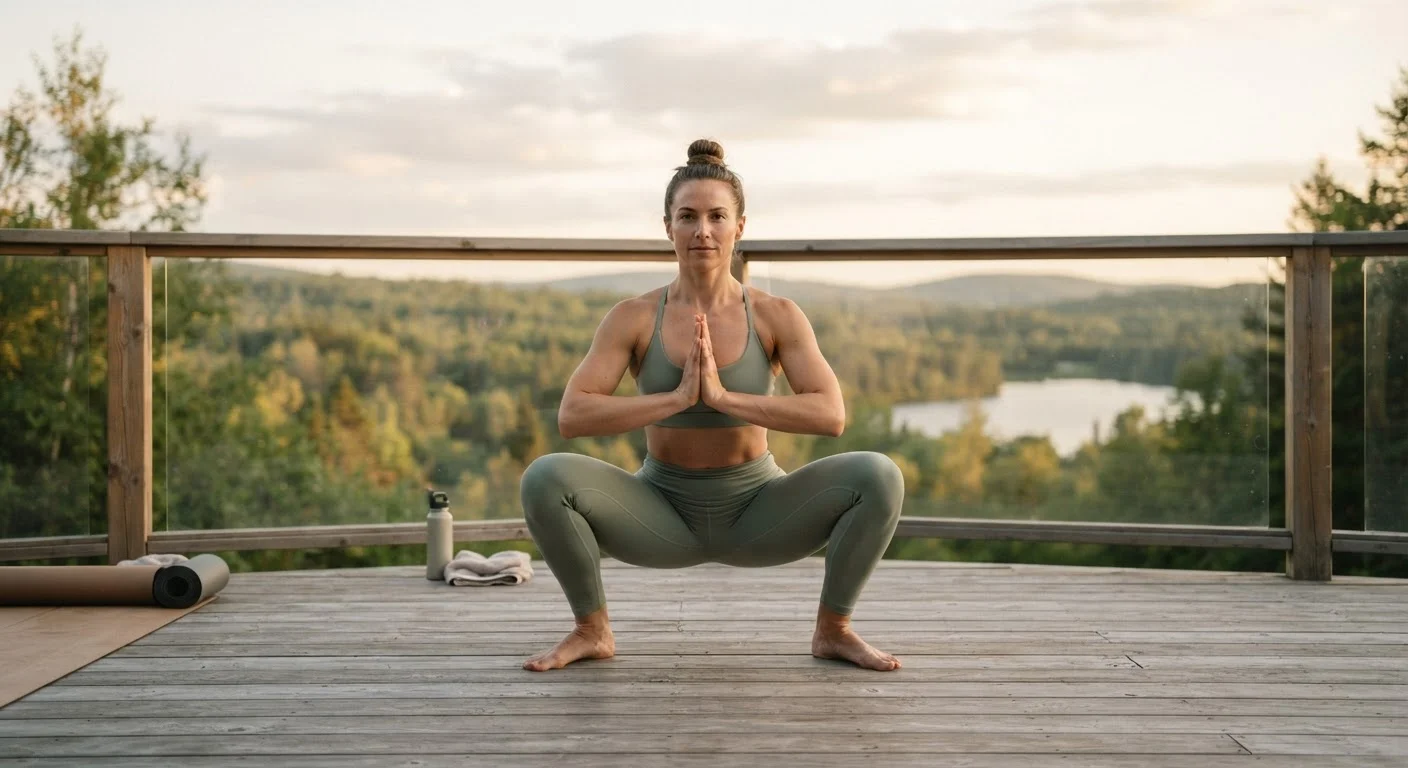
Photo: InfoAlly.net | Finding Info Made Easy editorial
Key Takeaways
- Mobility is about active, controlled joint movement; flexibility refers to passive muscle lengthening.
- High flexibility does not automatically mean good mobility - both qualities need to be trained.
- Mobility work often has more direct carryover to everyday functional movement and injury prevention.
- Flexibility training, such as static stretching, is most effective after exercise or as a dedicated practice.
- A well-rounded movement routine benefits from addressing both qualities, not choosing one over the other.
Two Terms, Two Different Things
Walk into almost any fitness class or scroll through wellness content online, and you'll encounter the words mobility and flexibility used as if they mean the same thing. They don't - and the distinction matters more than most people realize.
Flexibility describes the ability of a muscle or group of muscles - and the surrounding connective tissue - to passively lengthen. When you fold forward to touch your toes while standing still, you're measuring flexibility. The key word is passive: an external force (gravity, a stretch band, a partner) creates the length, not your active muscular effort.
Mobility, by contrast, is the ability to move a joint actively through its full range of motion with control. It combines flexibility with the strength and neuromuscular coordination needed to actually use that range. Think of the difference between being able to passively pull your leg into a high position versus actively kicking it there with stability. See our plain-language fitness glossary for definitions of other movement concepts that often cause confusion.
| Criterion | Mobility | Flexibility |
|---|---|---|
| Definition | Active, controlled joint range of motion | Passive muscle and tissue lengthening |
| Type of effort | Active (muscular control required) | Passive (external force assists) |
| Key training method | Dynamic drills, controlled articulation | Static stretching, held positions |
| Best time to train | Before or during workout as warm-up | After exercise or in dedicated sessions |
| Functional carryover | High - directly used in daily movement | Moderate - supports recovery and ease |
| Involves strength? | Yes - strength at end ranges is key | Not primarily - length is the focus |
Why You Can Be Flexible Without Being Mobile
This is the part that surprises many people: a highly flexible person is not necessarily mobile, and someone with excellent mobility may not be especially flexible in the traditional sense.
Consider a yoga practitioner who can passively sink into a deep hip stretch with ease. If the surrounding muscles lack the strength and coordination to actively control that position during a squat or lunge, the passive range doesn't fully translate into functional movement. Mobility requires that the nervous system and muscles can own a range of motion, not just visit it with assistance.
Research in exercise science consistently distinguishes between passive and active range of motion, noting that passive flexibility alone is an incomplete predictor of movement quality or injury risk. For everyday activities - climbing stairs, getting up from the floor, reaching overhead - active joint control tends to matter more than passive muscle length.
~80%
Adults with low back pain reporting limited hip mobility
Physical therapy literature broadly links restricted hip joint mobility to compensatory movement patterns associated with lower back discomfort, though individual variation is significant.
2-4 weeks
Timeframe for early range-of-motion improvements
Exercise science research generally indicates that consistent stretching and mobility work can produce measurable range increases within a few weeks, with continued gains over months.
How Each Is Trained (and When)
Training flexibility typically involves static stretching - holding a lengthened position for 20 to 60 seconds - or longer-duration practices such as yin yoga. Most exercise scientists suggest static stretching is most effective after exercise rather than before, since it can temporarily reduce force output when performed cold immediately before strength or power activity. That said, guidance may vary based on individual context, so consulting a fitness or physical therapy professional for personalised programming is worthwhile.
Mobility training tends to involve active movement drills - controlled articular rotations, dynamic warm-ups, and exercises that take joints through their range under load or effort. Hip circles, thoracic spine rotations, and deep squat holds with active postural control are common examples. These approaches train the nervous system to feel safe and strong at end ranges, which is what makes movement more fluid over time.
Neither approach replaces the other. A thoughtful movement routine addresses both: flexibility work eases muscle tension and supports recovery, while mobility work builds the active range and control that carry over into daily life.
Mobility and Flexibility at Every Age
Putting It Into Practice
You don't need a specialist background to start working on both qualities. A few principles can guide an approachable routine:
- Warm up dynamically. Before exercise, use movement-based drills - leg swings, arm circles, walking lunges - rather than static holds. This prepares joints and muscles actively.
- Stretch after activity. Post-workout is an ideal time for static stretching. Muscles are warm, and the nervous system is less likely to resist lengthening.
- Incorporate dedicated mobility sessions. Even 10 to 15 minutes a few times per week focused on joint range and control can yield noticeable changes over time.
- Be consistent, not aggressive. Range of motion adapts gradually. Forcing a stretch to the point of sharp pain is counterproductive and risks injury.
If you have a specific condition, injury history, or are returning to movement after a period of inactivity, working with a licensed physical therapist or certified fitness professional before beginning a new routine is always a sound first step. This content is general health information and is not a substitute for personalised medical or professional guidance.
This article is for general informational and educational purposes only and does not constitute medical advice. Always consult a qualified healthcare or fitness professional before beginning a new exercise program, particularly if you have an existing health condition or injury.
The content on this site is for informational purposes only and is not a substitute for professional advice. Always consult a qualified professional for guidance specific to your situation.