
Anxiety and Insomnia: Understanding the Feedback Loop Between Them

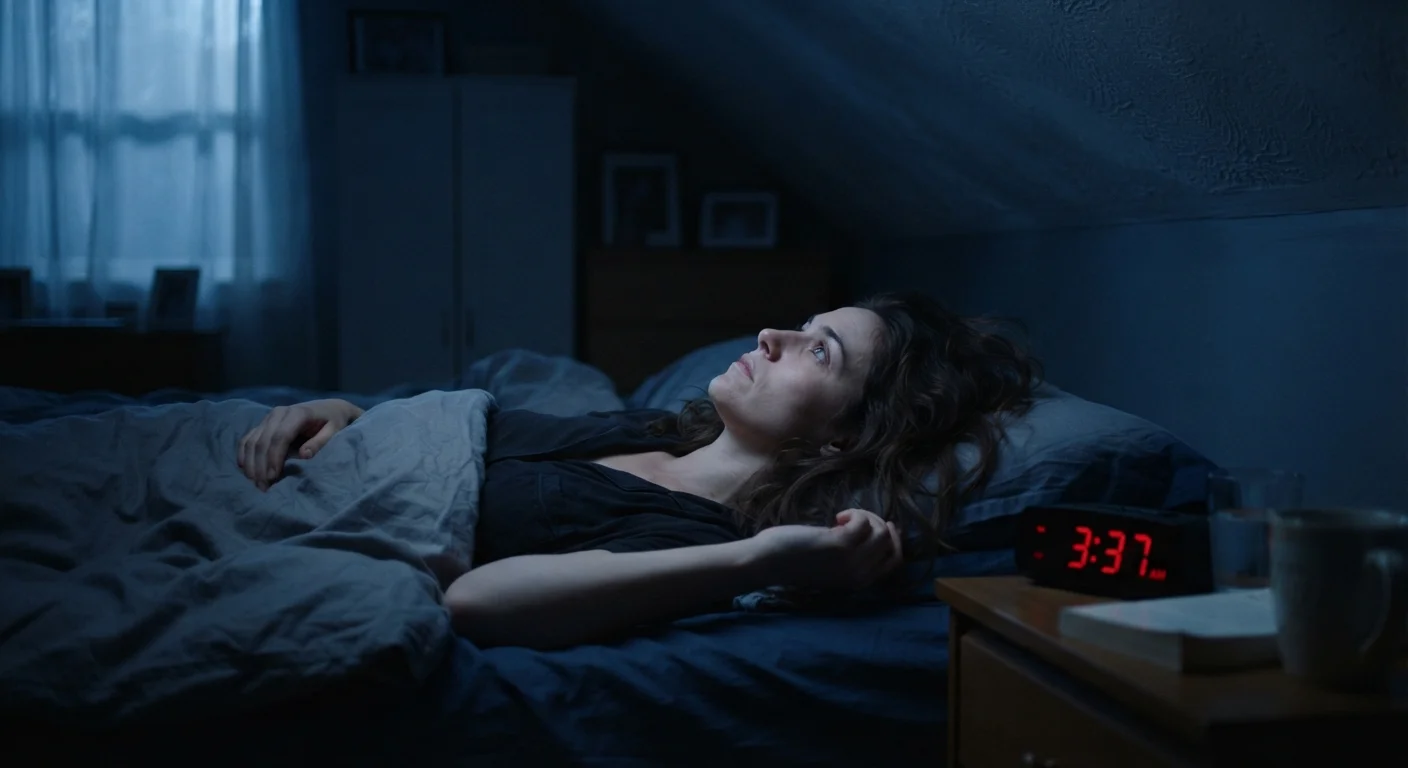
Photo: InfoAlly.net | Finding Info Made Easy editorial
Key Takeaways
- Anxiety and insomnia are bidirectional: each one directly worsens the other.
- Sleep deprivation reduces the brain's ability to regulate emotion and manage stress.
- Recognizing the feedback loop is the first step toward breaking it.
- Cognitive Behavioural Therapy for Insomnia (CBT-I) is a widely recommended approach for this cycle.
- A healthcare professional should be consulted when anxiety or sleep problems are persistent or severe.
How the Cycle Begins
Anxiety and insomnia are among the most common complaints that bring people to their doctors - and they rarely travel alone. Research consistently shows that the two conditions share a bidirectional relationship: anxiety disrupts sleep, and disrupted sleep amplifies anxiety. Understanding how one leads to the other is key to recognizing why this cycle can feel so difficult to escape.
Anxiety triggers the body's stress response, releasing hormones like cortisol and adrenaline that are designed to keep you alert. This state of physiological arousal is useful in genuinely threatening situations, but it's counterproductive at bedtime. The result is a racing mind, muscle tension, and an inability to relax enough to fall asleep - the hallmarks of sleep-onset insomnia.
Not All Sleep Trouble Is Anxiety-Driven
Once poor sleep becomes a pattern, the relationship reverses direction. A person who has slept badly begins to dread bedtime itself, worrying about whether they'll get enough rest. This performance anxiety around sleep adds a new layer of arousal, making the problem self-perpetuating even after the original source of anxiety has faded.
What Sleep Deprivation Does to the Anxious Brain
Sleep is not passive downtime - it's when the brain processes emotional experiences, consolidates memory, and resets its stress-response systems. When sleep is cut short or fragmented, those processes are interrupted, and the consequences show up in mood and cognition the next day.
~40%
Adults with anxiety who also report insomnia
Population-based research consistently finds that anxiety disorders and insomnia co-occur at high rates, with estimates typically ranging from 30-50% depending on the study design.
2-3×
Increased insomnia risk with anxiety disorders
Studies published in sleep medicine literature suggest that individuals with anxiety disorders are roughly two to three times more likely to develop chronic insomnia than those without.
60%
Amygdala reactivity increase after sleep loss
Neuroimaging research, including work by sleep scientist Matthew Walker's lab at UC Berkeley, found significantly heightened amygdala responses to negative stimuli following sleep deprivation.
The amygdala - the brain region involved in detecting threats and generating fear responses - becomes significantly more reactive after poor sleep. At the same time, the prefrontal cortex, which normally moderates emotional reactions, loses some of its regulatory capacity. The net effect is that anxious thoughts feel more urgent and harder to dismiss after a night of poor sleep than they would after adequate rest.
For someone already prone to anxiety, this neurological shift can be significant. It doesn't just make them feel tired; it makes existing worries feel more convincing and new stressors harder to manage in proportion. This is one reason why sleep is considered a foundational pillar of mental health, not a secondary concern.
Recognizing the Loop in Daily Life
The feedback loop often becomes visible in predictable patterns. A stressful event - a work deadline, a relationship difficulty, a health concern - causes a few nights of poor sleep. Fatigue then reduces coping capacity, meaning the original stressor feels even more overwhelming. That amplified worry makes the next night's sleep harder still.
What makes this cycle particularly persistent is that it can outlast its original trigger. The stress that started the insomnia may resolve, but the conditioned habit of lying awake - and the anxiety about lying awake - remains. This is sometimes called psychophysiological insomnia, where the bed itself becomes associated with wakefulness and worry rather than rest.
For a broader look at how sleep and mental health interact across multiple dimensions, the Mind & Sleep guide covers the science and practical strategies in depth. It's also worth reviewing evening habits that quietly undermine sleep quality, since some routines that feel calming can inadvertently reinforce the cycle.
Approaches Worth Knowing About
Breaking the anxiety-insomnia loop typically requires addressing both sides of it. General sleep hygiene - consistent sleep and wake times, a dark and quiet environment, and limiting screens before bed - supports the conditions the brain needs to wind down. The bedroom environment checklist offers practical guidance on optimizing those conditions.
Try Winding Down Before Bed
On the mental health side, strategies that reduce overall physiological arousal - such as slow diaphragmatic breathing, progressive muscle relaxation, or guided mindfulness - are commonly recommended to help calm the stress response before bed. These are general wellness practices, not medical treatments, and their effectiveness varies by individual.
For persistent cases, Cognitive Behavioural Therapy for Insomnia (CBT-I) is widely regarded as one of the most effective interventions. CBT-I targets the specific thoughts and behaviors that sustain insomnia, and it has a meaningful evidence base for people dealing with anxiety-related sleep difficulties. Access to CBT-I is best arranged through a qualified mental health or healthcare professional.
This article is for general informational and educational purposes only and is not a substitute for professional medical or mental health advice. If you are experiencing persistent anxiety or sleep difficulties, please consult a qualified healthcare provider.
Frequently Asked Questions
The content on this site is for informational purposes only and is not a substitute for professional advice. Always consult a qualified professional for guidance specific to your situation.