
Mind & Sleep

Your Bedroom Environment Checklist for Better Sleep

Your Bedroom Environment Checklist for Better Sleep

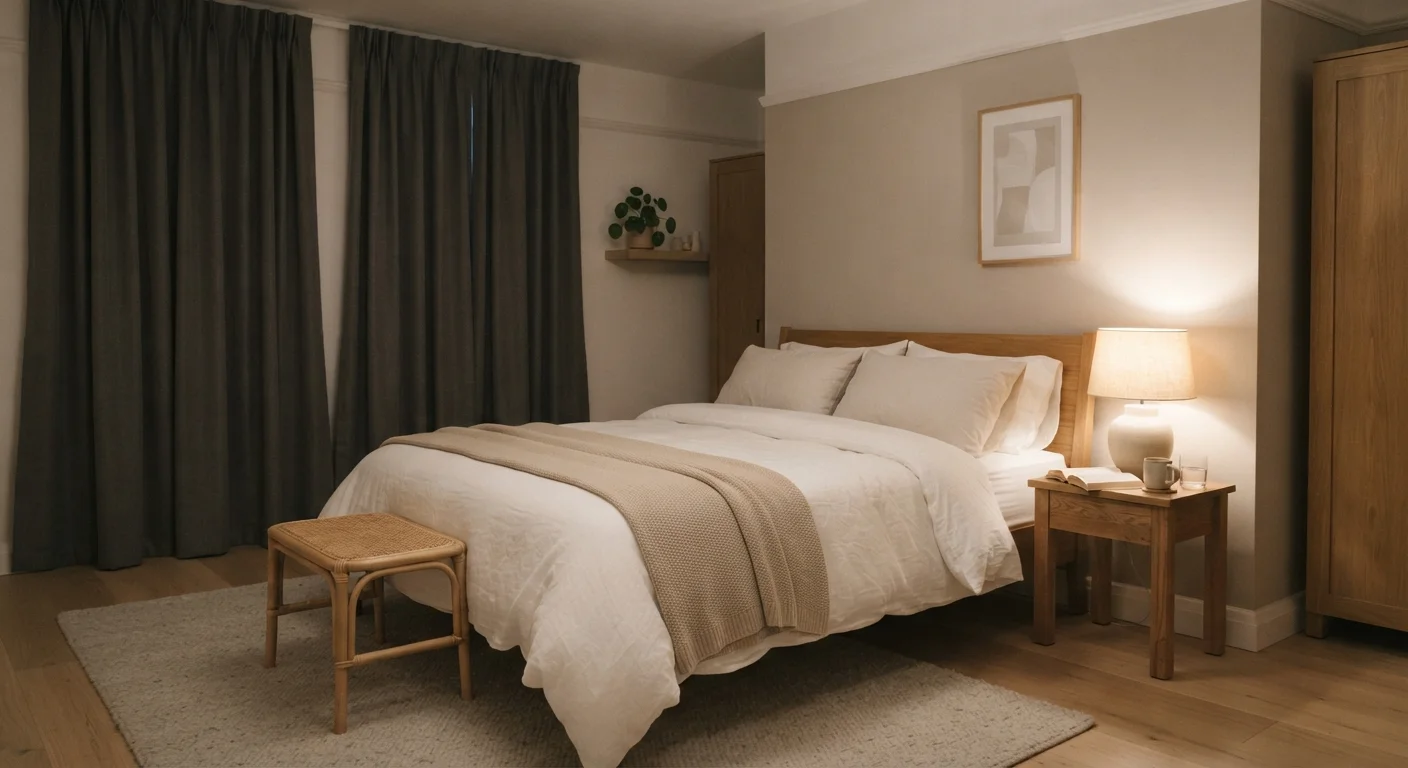
Photo: InfoAlly.net | Finding Info Made Easy editorial

Use this checklist to audit temperature, light, noise, and comfort factors that influence how deeply and consistently you sleep.

Key Takeaways

  • Room temperature, light levels, and noise all directly influence how deeply you sleep.
  • Your bedroom environment interacts with mental health — poor conditions can amplify anxiety and stress.
  • Most adjustments require little or no cost and can be implemented today.
  • Consistency in your sleep environment reinforces your body's natural circadian rhythm.
  • Always consult a healthcare professional if sleep problems persist or worsen.

Why Your Bedroom Environment Matters for Sleep and Mental Health

Sleep isn't only about what you do before bed — it's also about where you sleep. Research consistently shows that environmental factors like temperature, light exposure, and ambient noise can significantly affect sleep architecture, including the depth and continuity of your rest. And the relationship runs both ways: when sleep suffers, so does mental well-being.

Anxiety and stress, for instance, are highly sensitive to sleep quality. As explored in the anxiety and insomnia feedback loop, disrupted sleep can amplify emotional dysregulation, making it harder to manage daily pressures. Optimizing your bedroom environment is one of the most practical, evidence-grounded steps you can take toward more restorative rest.

Use the checklist below to systematically audit each aspect of your sleep space. Work through it in one sitting or return to sections over several evenings. For a broader picture of sleep science and mental balance, see our end-to-end guide to restorative rest.

Persistent Sleep Problems Warrant Professional Guidance

This checklist addresses environmental factors and is general educational information — it is not medical advice. If you experience chronic insomnia, frequent nighttime waking, or daytime impairment that affects your functioning, please consult a licensed healthcare provider. Underlying conditions, including sleep disorders and anxiety disorders, require professional evaluation and should not be managed with environmental changes alone.

What You'll Need Before You Start

Most items on this checklist require only observation and minor adjustments. A few tools can make the audit more precise and effective.

Required

Thermometer or smart thermostat

Monitor your room's exact temperature so you can calibrate it to a sleep-supportive range.

Optional

Decibel meter app

Measure ambient noise levels in your bedroom to identify problem sources worth addressing.

Required

Blackout curtains or sleep mask

Block external light sources that can suppress melatonin and fragment sleep.

Optional

White noise machine or app

Mask unpredictable ambient noise that causes partial awakenings during the night.

Optional

HEPA air purifier

Improve bedroom air quality by reducing particulates, allergens, and common irritants.

The Bedroom Environment Checklist

Work through each group carefully. Mark items as complete once addressed, and note any that require follow-up. Pair these environmental improvements with better pre-bed habits for the most comprehensive effect.

Temperature Control

Set your thermostat to a cooler range — most sleep research points to temperatures between approximately 60–67°F (15–19°C) as supportive of sleep onset. Must
Choose bedding materials appropriate to your climate and individual temperature preferences, such as breathable cotton or moisture-wicking fabrics. Must
Use a fan or air circulator if you tend to sleep warm, positioning it to circulate air without blowing directly on you. Should
Consider layered blankets so you can adjust warmth throughout the night without fully waking. Nice to have

Light Management

Install blackout curtains or blinds to block streetlights, early morning sunlight, and other external light sources. Must
Eliminate or cover bright standby lights from electronics — even small LED indicators can disrupt sleep for light-sensitive individuals. Must
Switch any bedside lamps to warm-toned bulbs (2700K or lower) and dim them at least 30 minutes before sleep. Should
Use a sleep mask as a backup for travel or shared sleeping situations where controlling ambient light is difficult. Nice to have

Noise Reduction

Identify and address consistent noise sources — close windows facing traffic, use door draft stoppers, or rearrange furniture to buffer sound. Must
Use a white noise machine, fan, or low-volume ambient audio to mask irregular sounds that can trigger partial arousal. Should
Keep phone notifications silenced or on a dedicated sleep mode schedule to prevent auditory interruptions. Must
Consider earplugs if you share your space with a partner who snores or if your building generates unavoidable noise. Nice to have

Bed and Surface Comfort

Assess your mattress condition — if it causes pain, produces sagging, or is over 7–10 years old, it may be worth evaluating for replacement. Must
Choose a pillow that supports your preferred sleeping position and keeps your spine in neutral alignment. Must
Wash bedding regularly — at minimum every one to two weeks — to reduce allergens, dust mites, and irritants that disturb breathing. Should

Air Quality and Scent

Ensure adequate ventilation by opening a window or using a HEPA air purifier, particularly in urban environments with higher pollutant levels. Should
Avoid strong synthetic fragrances in the bedroom — use unscented laundry products if you are sensitive to smells. Should
Consider adding a small houseplant known for air-filtering properties, but confirm any plant is safe for pets or children in the home. Nice to have

Screen and Device Discipline

Remove or power down televisions and computers in the bedroom — screens activate alertness and can associate your sleep space with stimulation. Must
Charge your phone outside the bedroom, or at minimum across the room, to reduce the pull of late-night scrolling. Should
If a device must stay in the room, enable night mode or blue-light filters to reduce light wavelengths that suppress melatonin production. Should

If you'd like to complement your environment audit with active relaxation practices, evidence-informed relaxation techniques are a natural next step. For a deeper understanding of the vocabulary around sleep, our sleep hygiene glossary offers a useful reference.

Don't Overlook Sleep Needs by Life Stage

Sleep requirements and environmental sensitivities change across the lifespan. Older adults, children, and people with chronic health conditions may need different temperature, noise, or light settings than the general guidance above suggests. If you are making changes for a child, older family member, or someone with a medical condition, review how sleep needs shift over time and consult a healthcare professional for personalised guidance.

This article is for general informational purposes only and is not a substitute for professional medical advice, diagnosis, or treatment. If you experience persistent sleep difficulties, please consult a qualified healthcare provider.

Health & Wellness Editorial Team

InfoAlly.net | Finding Info Made Easy

Health & Wellness Editorial Team is the collective byline for our editorial team and contributor network. Articles published under this byline or an editorial pen name are researched, written, and reviewed according to our editorial standards for clarity, consistency, and independence before publication.

Nutrition BasicsFitness & MovementMind & Sleep
View author profile

The content on this site is for informational purposes only and is not a substitute for professional advice. Always consult a qualified professional for guidance specific to your situation.