
Relaxation Techniques Worth Adding to Your Pre-Sleep Toolkit

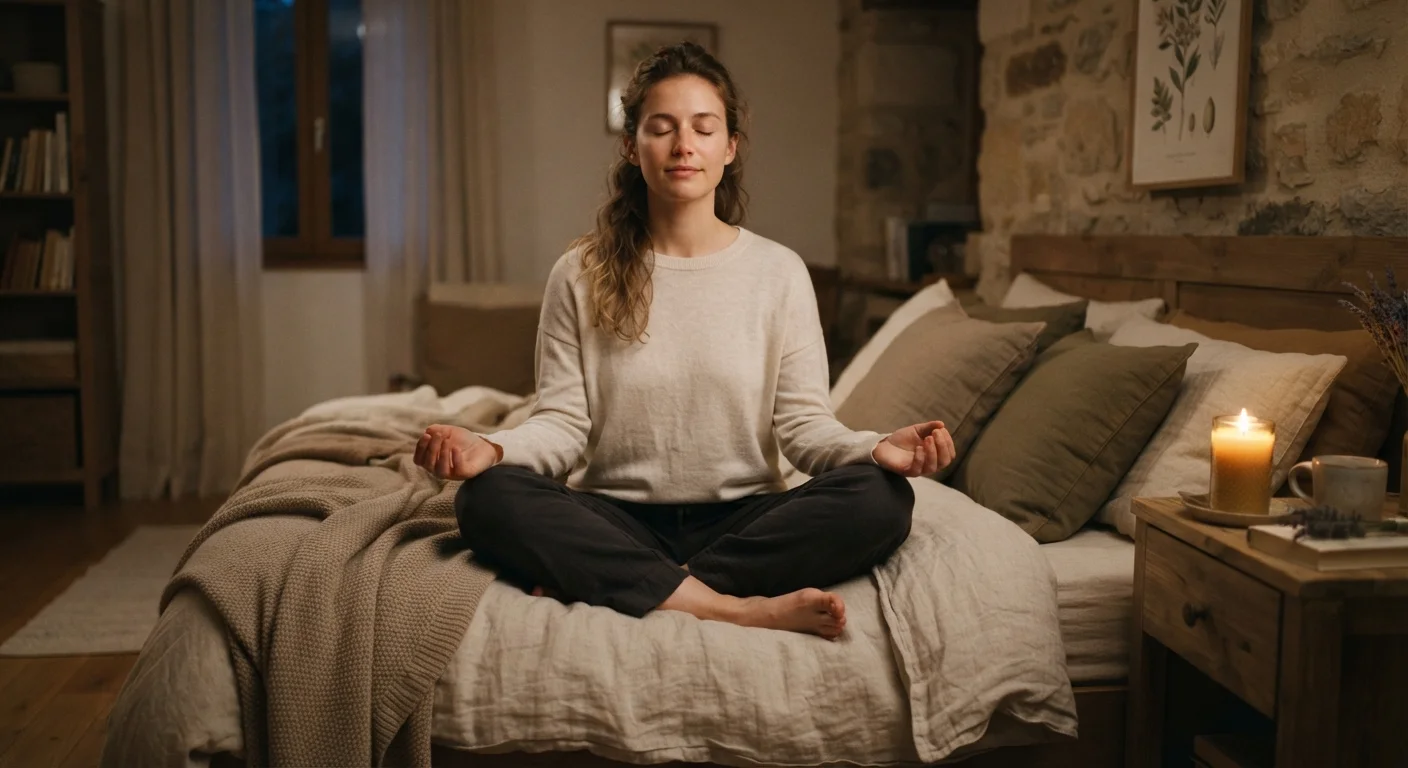
Photo: InfoAlly.net | Finding Info Made Easy editorial
Key Takeaways
- Evidence-informed relaxation techniques can meaningfully reduce physiological arousal before sleep.
- Methods like progressive muscle relaxation and diaphragmatic breathing are accessible with no equipment required.
- Consistency matters more than duration - short nightly practice builds reliable sleep cues over time.
- Mental health and sleep quality are closely linked; calming the mind is as important as calming the body.
- Always consult a healthcare professional if sleep difficulties are persistent or significantly affecting daily function.
Why Your Wind-Down Matters
Sleep doesn't begin the moment your head hits the pillow - it begins well before, in the quiet signals your nervous system receives as the evening progresses. When the mind stays busy with anxious thoughts, to-do lists, or screen stimulation, the body remains in a state of physiological readiness that directly conflicts with the biological conditions needed for sleep onset.
Research broadly supports the idea that elevated pre-sleep arousal - both cognitive and somatic - is a key driver of difficulty falling and staying asleep. That connection between mental health and sleep quality is bidirectional: poor sleep can worsen mood and anxiety, and heightened anxiety can worsen sleep. Intentional relaxation techniques work precisely because they interrupt this cycle.
The techniques below are evidence-informed and practical. They require no special equipment and can be adapted to fit a routine that works for you. For a broader look at how evening choices shape sleep, see our guide to habits that undermine sleep quality.
Diaphragmatic Breathing
Also called belly breathing or deep breathing, diaphragmatic breathing activates the parasympathetic nervous system - the branch responsible for the body's rest-and-digest state. Unlike shallow chest breathing, which can sustain physiological tension, slow, deep breaths drawn into the lower lungs send calming signals to the brain.
A commonly used pattern involves inhaling slowly through the nose for four counts, pausing briefly, then exhaling through the mouth for six to eight counts. The extended exhale is thought to be particularly effective at slowing heart rate. Even five minutes of deliberate practice before bed can shift your body's arousal baseline downward.
The extended exhale is thought to be especially effective at lowering heart rate before sleep.
Progressive Muscle Relaxation (PMR)
Progressive muscle relaxation is a structured technique developed in the early twentieth century that involves systematically tensing and then releasing muscle groups throughout the body. The deliberate contrast between tension and release helps people recognize - and let go of - physical stress they may not have noticed they were holding.
A typical PMR sequence moves from the feet upward through the legs, abdomen, hands, arms, shoulders, and face. Each muscle group is tensed for roughly five seconds, then relaxed for twenty to thirty seconds. Studies examining PMR in the context of insomnia suggest it can reduce the time it takes to fall asleep and improve subjective sleep quality over consistent practice.
PMR teaches the body to recognize and release physical tension it may be holding without awareness.
Guided Imagery
Guided imagery involves deliberately directing your attention to a calming mental scene - a quiet beach, a forest path, a familiar room that feels safe. By occupying the mind with sensory-rich, peaceful content, this technique competes with ruminative or anxious thought patterns that often emerge at bedtime.
Research on imagery in sleep contexts is more limited than for PMR or breathing techniques, but some studies suggest it can be a useful complement, particularly for people whose sleep difficulties are primarily cognitive (an overactive mind) rather than somatic. Audio-guided versions are widely available through public health resources and library platforms, making this an accessible starting point.
Guided imagery works by giving the overactive mind a calm, absorbing alternative to rumination.
Body Scan Meditation
The body scan is a mindfulness-based practice that involves slowly moving attention through different areas of the body, observing physical sensations without judgment. Unlike PMR, it doesn't involve deliberate tensing - instead, it cultivates a non-reactive awareness that can reduce the mental reactivity associated with difficulty sleeping.
Body scan practice is a core component of Mindfulness-Based Stress Reduction (MBSR), a structured program with a meaningful body of research behind it. Even shorter, informal versions - five to ten minutes lying in bed - can help interrupt the cycle of anxious thinking that delays sleep onset. For context on how mindfulness fits into the broader landscape of sleep science, our Mind & Sleep end-to-end guide offers additional depth.
A body scan cultivates non-reactive awareness that interrupts the anxious thinking cycle at bedtime.
Journaling and Cognitive Offloading
Unfinished mental tasks - unresolved worries, tomorrow's obligations, lingering emotional processing - are a common source of pre-sleep rumination. Journaling creates an external record of those thoughts, effectively signaling to the brain that they have been acknowledged and don't need to be held in active memory.
A small but notable study published in the journal Experimental Brain Research found that writing a specific to-do list for the following day - rather than reflecting on completed tasks - was associated with faster sleep onset. Gratitude journaling is another format with some supporting evidence for mood regulation, which can indirectly benefit sleep. Keep the practice brief: five to ten minutes is typically sufficient, and it pairs well with the nuanced realities of sleep science rather than rigid rules.
Writing tomorrow's to-do list before bed may help the brain release the mental grip of unfinished tasks.
Gentle Stretching or Restorative Yoga
Light physical movement focused on releasing muscular tension - rather than elevating heart rate - can serve as an effective transition ritual between the activity of the day and the stillness of sleep. Restorative yoga postures, in particular, are held for longer durations and supported by props or the floor, encouraging the nervous system to settle.
It's worth distinguishing this from vigorous exercise, which, when performed close to bedtime, may delay sleep onset for some individuals by raising core body temperature and cortisol levels. Gentle stretching or slow-flow movement is the appropriate pre-sleep application. Even five minutes of deliberate, slow movement can serve as a meaningful physical signal that the day is ending.
Gentle stretching differs importantly from vigorous exercise - the goal is nervous system settling, not activation.
Building These Into Your Nightly Routine
No single technique works for everyone, and the most effective pre-sleep toolkit is one you'll actually use. Start with one method and practice it for at least a week before layering in others. Consistency trains your brain to associate the practice with sleep readiness - a process sometimes described in behavioral sleep research as stimulus control.
Start Small and Stay Consistent
Pairing these techniques with a well-optimized sleep environment can amplify their effect. Our bedroom environment checklist walks through the physical factors - temperature, light, and noise - that support deeper rest. For a step-by-step approach to structuring the full evening, see Building a Wind-Down Routine That Your Brain Will Actually Follow.
This article is for general informational and educational purposes only and does not constitute medical advice. If you are experiencing persistent sleep difficulties or significant mental health concerns, please consult a qualified healthcare professional.
The content on this site is for informational purposes only and is not a substitute for professional advice. Always consult a qualified professional for guidance specific to your situation.