
What Stress Actually Does to Your Sleep Architecture

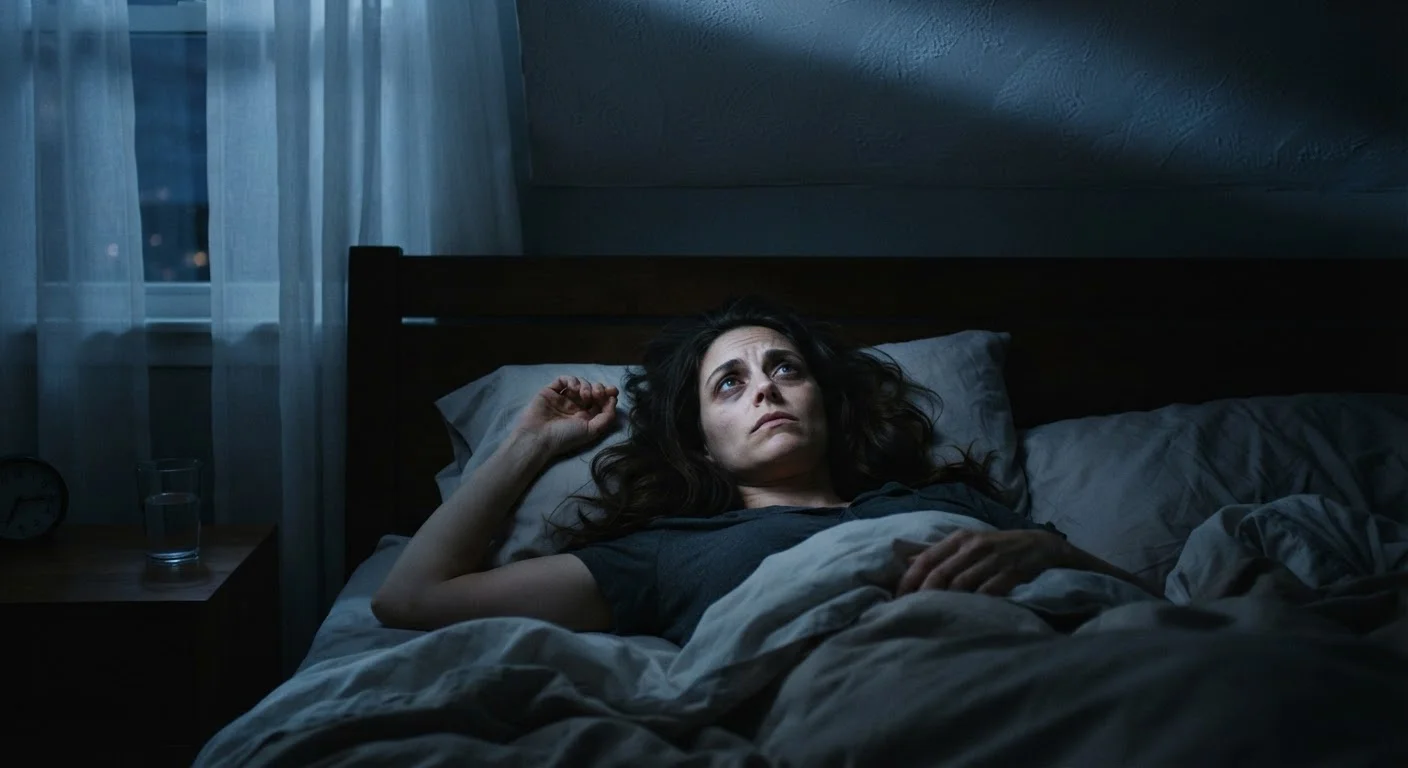
Photo: InfoAlly.net | Finding Info Made Easy editorial
Key Takeaways
- Stress activates the body's arousal system, making deep and REM sleep harder to reach and maintain.
- Cortisol, the primary stress hormone, suppresses slow-wave (deep) sleep when elevated at night.
- Stress-related sleep disruption reduces emotional processing that occurs during REM sleep.
- Even one night of poor-quality sleep can amplify stress reactivity the following day.
- Addressing stress directly - not just sleep hygiene - is key to restoring healthy sleep cycles.
How Your Brain Normally Structures Sleep
A healthy night of sleep isn't a flat state of unconsciousness - it's a series of repeating cycles, each lasting roughly 90 minutes. Within each cycle, your brain moves through distinct stages: N1 (light sleep), N2 (stable, consolidated sleep), N3 (slow-wave or deep sleep), and REM (rapid eye movement) sleep.
N3, or slow-wave sleep, is when the body repairs tissue, consolidates memory, and regulates immune function. REM sleep is critical for emotional processing and integrating new information. The proportion of each stage shifts across the night: deep sleep dominates early cycles, while REM lengthens in the final hours before waking.
For a fuller picture of how sleep and mental well-being are intertwined, see the science behind sleep and mental health.
What Stress Does to That Pattern
When you experience stress, your brain activates the hypothalamic-pituitary-adrenal (HPA) axis - the body's central stress response system. This triggers the release of cortisol and increases activity in the arousal network, a set of brain regions designed to keep you alert to threats.
At night, an activated arousal system works against sleep architecture in several direct ways:
- Reduced slow-wave sleep: Elevated cortisol specifically suppresses N3. Studies using polysomnography have found that individuals under chronic psychological stress spend significantly less time in deep sleep compared to low-stress controls.
- Increased sleep fragmentation: The arousal network generates more frequent micro-awakenings - brief moments where the brain surfaces toward wakefulness - even if the sleeper doesn't fully wake up.
- Altered REM timing: Stress can compress or delay REM sleep, interfering with the emotional regulation work that stage performs.
~20%
Reduction in slow-wave sleep under chronic stress
Sleep research using polysomnography has observed meaningful reductions in N3 (deep sleep) in individuals experiencing sustained psychological stress compared to low-stress controls.
3-5×
More frequent nighttime awakenings during high-stress periods
Elevated arousal system activity associated with stress is linked to significantly higher rates of micro-awakenings and full nocturnal awakenings across the sleep period.
~30%
Of adults report stress-related sleep problems
Surveys by the American Psychological Association have consistently found that a substantial portion of U.S. adults identify stress as a key factor behind poor sleep quality.
This disruption compounds quickly. A night of fragmented, shallow sleep raises cortisol baseline the next morning, making it harder to manage new stressors - a cycle explored further in our article on anxiety and the insomnia feedback loop.
The Downstream Effects on Mood and Function
Sleep architecture disruption isn't just about feeling groggy. The stages that stress suppresses most - deep sleep and REM - are the ones most directly linked to emotional regulation, memory consolidation, and physical recovery.
When REM sleep is cut short, the brain has less opportunity to process emotionally charged experiences. Research in sleep neuroscience suggests this is one reason why chronically stressed individuals report heightened emotional reactivity and difficulty managing mood - the nightly processing that would ordinarily buffer these reactions isn't fully occurring.
Protect Your Final Hours of Sleep
Slow-wave sleep deficits carry their own costs: reduced release of growth hormone, impaired immune regulation, and decreased cognitive sharpness the following day. Over time, these shortfalls accumulate, meaning the effects of one stressful week can linger well beyond it.
Certain evening habits can make this worse without people realizing it. Evening habits that quietly undermine sleep quality covers common pre-bed routines worth reconsidering.
Restoring Healthy Sleep Architecture
Improving sleep quality under stress requires more than adjusting bedtime routines - it means reducing the physiological arousal that disrupts sleep stages in the first place. General, evidence-informed approaches include:
- Consistent sleep and wake times: Anchoring your circadian rhythm helps stabilize when each sleep stage occurs.
- Stress-processing practices before bed: Techniques such as brief journaling or structured relaxation exercises can help lower pre-sleep cortisol. These are not guaranteed remedies, but research suggests they may reduce arousal.
- Limiting stimulants in the evening: Caffeine and bright light exposure extend the time before N3 is reached.
- Physical movement during the day: Regular moderate activity is associated with deeper slow-wave sleep, though individual responses vary.
For a comprehensive framework, the Mind & Sleep end-to-end guide covers evidence-informed strategies in depth. If sleep difficulties persist or significantly affect daily functioning, speaking with a qualified healthcare provider is the appropriate next step.
This article is for general informational and educational purposes only and does not constitute medical advice. Consult a qualified healthcare professional for guidance specific to your health circumstances.
Frequently Asked Questions
The content on this site is for informational purposes only and is not a substitute for professional advice. Always consult a qualified professional for guidance specific to your situation.