
Secured vs. Unsecured Debt: What the Difference Means in Practice

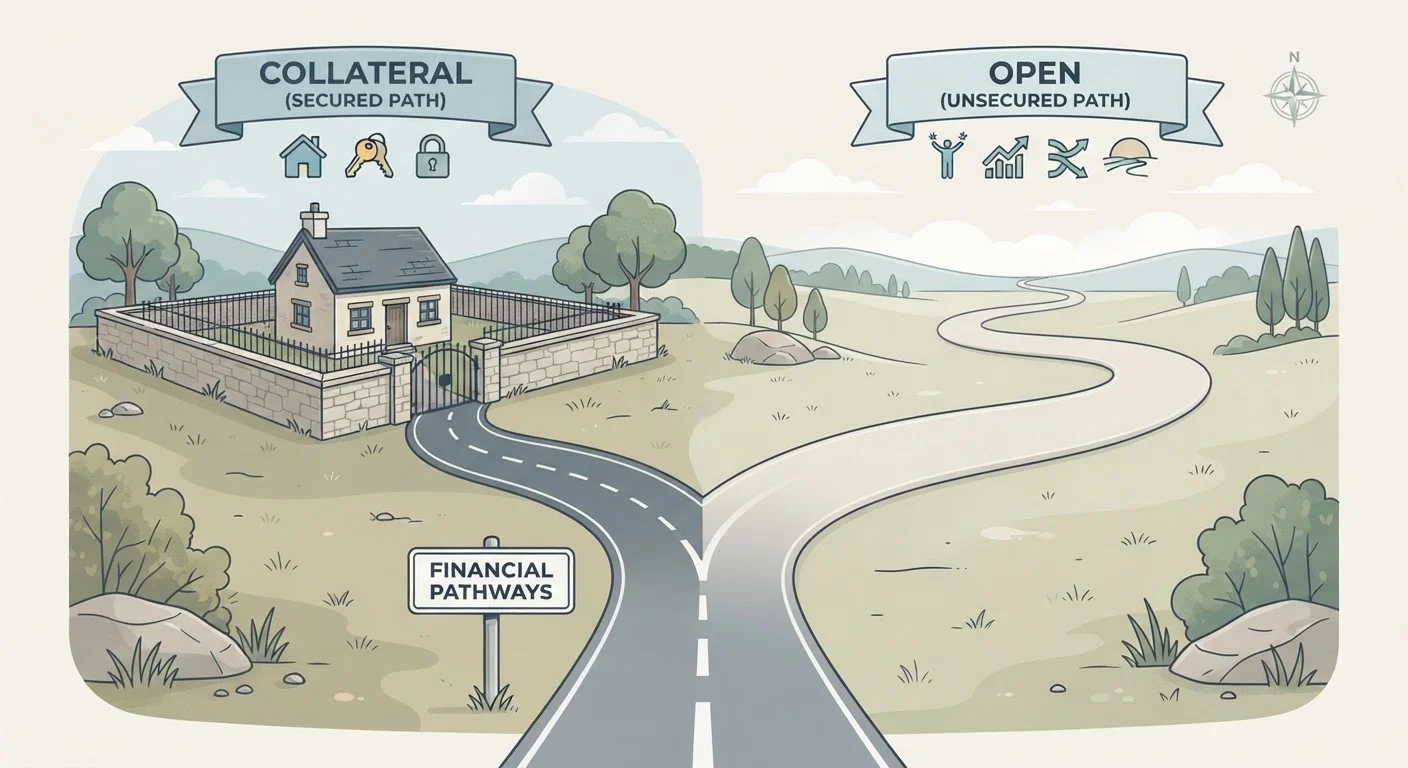
Photo: InfoAlly.net | Finding Info Made Easy editorial
Key Takeaways
- Secured debt is backed by collateral - an asset the lender can claim if you stop paying.
- Unsecured debt relies on your creditworthiness alone, with no pledged asset behind it.
- Defaulting on secured debt can result in losing property; unsecured default leads to collections and legal action.
- Secured loans typically carry lower interest rates because lenders face less risk.
- Most households carry both types of debt simultaneously without realizing the distinction.
What Makes a Debt 'Secured'?
A secured debt is any loan or credit obligation tied to a specific asset - known as collateral. If you stop making payments, the lender has a legal right to seize that asset to recover what you owe. Common examples include mortgages (where your home is the collateral) and auto loans (where the vehicle serves the same role).
This arrangement works in both directions. Because the lender has a built-in safety net, secured loans generally come with lower interest rates and higher borrowing limits compared to unsecured products. For the borrower, the trade-off is that a real asset is on the line.
It's worth understanding that the lender's claim on the collateral - called a lien - is recorded legally. You don't fully own the asset free and clear until the debt is repaid. For a deeper look at terms like lien, charge-off, and default, see our plain-English debt glossary.
| Criterion | Secured Debt | Unsecured Debt |
|---|---|---|
| Collateral required | Yes - specific asset pledged | No asset required |
| Typical interest rate | Generally lower | Generally higher |
| Common examples | Mortgage, auto loan, HELOC | Credit cards, personal loans, medical bills |
| Consequence of default | Lender may repossess collateral | Collections, credit damage, possible judgment |
| Typical borrowing limits | Often higher | Often lower |
| Lender risk level | Lower - collateral provides backstop | Higher - relies on borrower's creditworthiness |
What Makes a Debt 'Unsecured'?
Unsecured debt carries no specific asset as a pledge. The lender extends credit based primarily on your creditworthiness - your credit score, income, and repayment history. Credit cards, personal loans, medical bills, and student loans are the most familiar examples.
Because the lender has no collateral to fall back on, unsecured debt typically comes with higher interest rates. If you default, the lender cannot automatically take your property. Instead, they may send the account to collections, report the default to credit bureaus, or pursue a court judgment - which could eventually lead to wage garnishment depending on your state's laws.
That doesn't make unsecured debt less serious. Defaulting still causes lasting damage to your credit score and financial standing. To understand how unpaid debt escalates over time, see our article on what happens when you ignore debt.
~$1.1T
Total U.S. revolving consumer credit outstanding
According to Federal Reserve consumer credit data, revolving credit - primarily credit cards, a form of unsecured debt - represents a significant share of household borrowing.
~$12.6T
Total U.S. mortgage debt outstanding
Federal Reserve data indicates mortgage debt - the most common form of secured debt - makes up the largest portion of American household debt by far.
How the Distinction Plays Out in Real Life
Most households carry both types simultaneously. A family might have a mortgage (secured), a car loan (secured), and two credit cards (unsecured) - all at once. Understanding the difference matters most when finances get tight.
If you can only make partial payments in a difficult month, your secured debts - particularly your mortgage and auto loan - generally warrant priority attention. Missing those payments puts a roof or a car at risk. Unsecured creditors have fewer immediate enforcement tools, though the long-term consequences of non-payment are still significant.
The type of debt also affects how it may be treated in bankruptcy proceedings. Secured creditors generally have stronger claims to repayment than unsecured creditors, though the specific rules vary by situation and are best explored with a licensed attorney or financial adviser.
For a broader look at how different kinds of borrowing affect your financial life, our guide on good debt vs. bad debt adds useful context. And if you're working to keep all your debt manageable going forward, explore the habits that keep debt under control.
Student Loans: A Special Case
This article provides general financial education and is not personalized financial, legal, or tax advice. For guidance specific to your situation, consult a qualified financial adviser or attorney.
The content on this site is for informational purposes only and is not a substitute for professional advice. Always consult a qualified professional for guidance specific to your situation.