
Good Debt vs. Bad Debt: A Distinction Worth Understanding

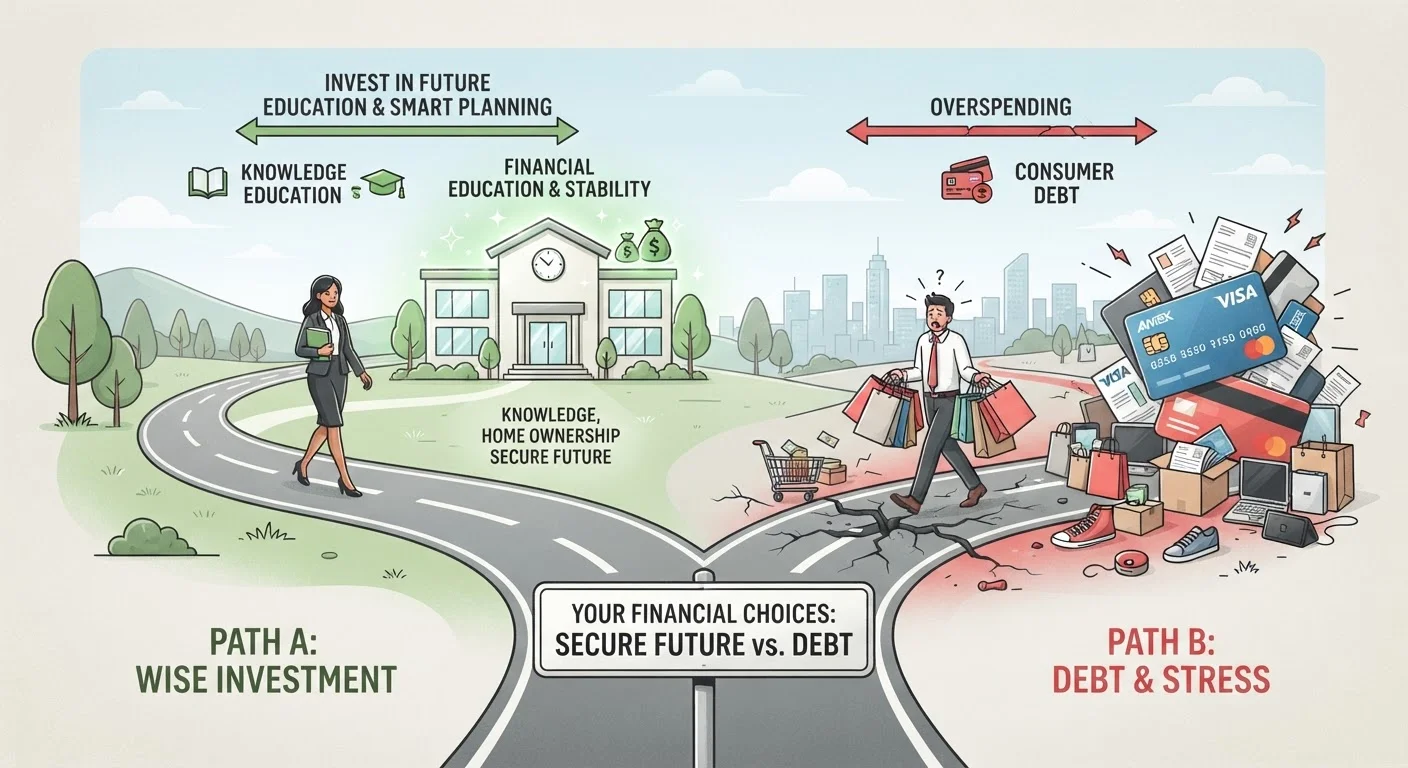
Photo: InfoAlly.net | Finding Info Made Easy editorial
Key Takeaways
- Debt used to build lasting value - like a mortgage or student loan - is commonly called 'good debt.'
- High-interest debt on depreciating purchases, such as credit card balances for discretionary spending, is generally considered 'bad debt.'
- Interest rate and loan purpose are the two most important factors when evaluating any debt.
- Even 'good debt' carries real risk and should be taken on carefully and purposefully.
- Understanding debt type helps you prioritize which balances to pay down first.
Why the Distinction Matters
Many people carry a mix of debts - a car payment here, a credit card balance there, perhaps a student loan or mortgage. Treating them all the same can lead to poor repayment decisions. When you understand why you borrowed and what it cost, you're better positioned to manage what you owe and make smarter borrowing choices going forward.
The good debt/bad debt framework is a mental model, not a rigid rule. Its value lies in prompting better questions before you borrow: Will this improve my financial position? What is the interest rate? Am I financing something that will last? For a broader grounding in borrowing concepts, our comprehensive debt and credit resource covers the full picture in plain language.
The Line Isn't Always Clear
What Is 'Good Debt'?
Good debt is generally described as borrowing that finances something with long-term value - an asset, a skill, or an income-generating opportunity. The defining features are usually a relatively low interest rate and a purpose tied to future benefit.
- Mortgages: Borrowing to purchase a home can build equity over time, and mortgage interest rates are typically lower than consumer credit. Real estate values can also rise, though they can fall too - ownership carries its own risks.
- Student loans: Education can increase earning potential over a career, making modest borrowing for a credential potentially worthwhile. The calculus changes when loan amounts significantly exceed projected future income.
- Small business loans: Borrowing to start or grow a business can generate returns that exceed the cost of the loan - though business outcomes are never guaranteed.
The common thread: the money finances something that could grow in value or produce income over time. For clarity on terms like interest rate, APR, and principal, our plain-English debt glossary is a useful reference.
20%+
Average US credit card APR
Federal Reserve data has shown average credit card interest rates climbing above 20% APR, making revolving balances among the most expensive forms of consumer debt.
$1.7T+
Total US student loan debt outstanding
According to Federal Reserve data, student loan debt represents one of the largest categories of consumer debt in the United States, highlighting the scale of education-related borrowing.
~30%
Americans carrying credit card balances month-to-month
Survey data from the American Bankers Association and similar sources has consistently found that a significant share of cardholders carry balances rather than paying in full each month.
What Is 'Bad Debt'?
Bad debt typically refers to high-interest borrowing used to fund purchases that depreciate quickly or provide no lasting financial return. The most common example is carrying a revolving credit card balance on everyday spending - dining out, clothing, entertainment - where interest compounds month after month on items long since used up.
- High-interest credit card balances: Average credit card interest rates in the US have exceeded 20% APR in recent years, making unpaid balances expensive to maintain.
- Payday loans: Short-term, high-fee loans that can trap borrowers in cycles of debt if not repaid quickly.
- Financing rapidly depreciating items: Borrowing at high interest to purchase consumer electronics or luxury goods that lose value quickly rarely makes financial sense.
Bad debt isn't always the result of poor judgment - unexpected expenses and income gaps can force difficult choices. But recognizing when debt is costing more than it delivers is the first step toward addressing it. Understanding what happens when debt goes unaddressed can help underscore why timely action matters.
Using This Framework to Make Better Decisions
The good/bad debt distinction is most useful as a decision-making filter before you borrow, and as a prioritization tool when you're deciding which debt to tackle first. Here's how to apply it practically:
- Before borrowing: Ask whether the purchase will hold value, generate income, or materially improve your earning potential. If the answer is no, consider whether you can delay or save instead.
- Comparing interest rates: All else being equal, higher-rate debt should generally be repaid faster. The differences between secured and unsecured debt also affect the stakes if you fall behind.
- When debt feels unmanageable: Debt consolidation is one tool worth understanding - though it solves structure, not spending habits. And building habits to keep debt manageable is what sustains progress over the long term.
Prioritize by Interest Rate First
This article is for general informational and educational purposes only. It does not constitute personalized financial, legal, or investment advice. For guidance specific to your situation, consult a qualified financial professional.
Frequently Asked Questions
The content on this site is for informational purposes only and is not a substitute for professional advice. Always consult a qualified professional for guidance specific to your situation.