
Before Your Next Training Session: A Preparation Checklist

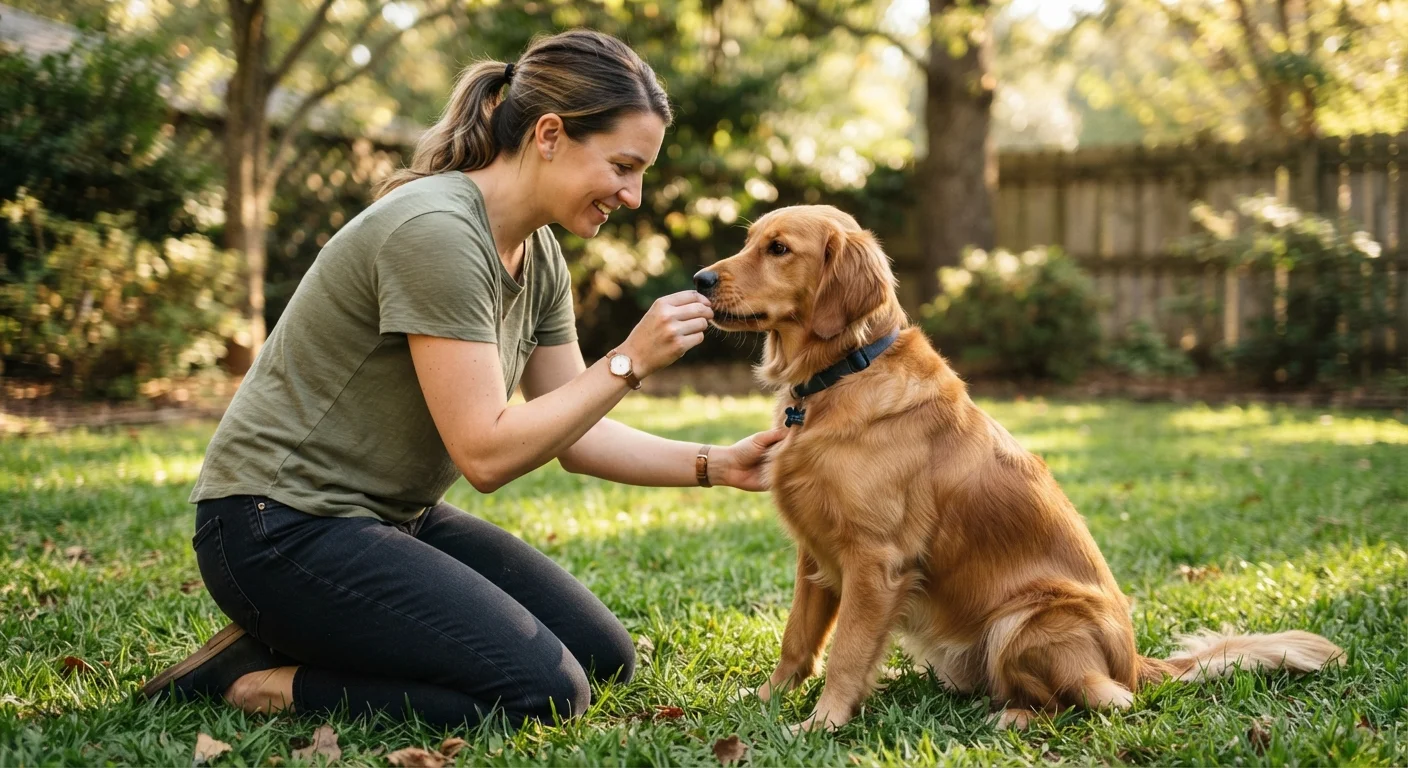
Photo: InfoAlly.net | Finding Info Made Easy editorial
Key Takeaways
- Short, well-prepared sessions are more effective than long, improvised ones.
- Your pet's physical and emotional state matters as much as your technique.
- Having treats, tools, and a clear goal ready before you start prevents mid-session frustration.
- A distraction-managed environment dramatically improves your pet's ability to focus.
- Consistency in preparation reinforces consistency in your pet's learning.
Why Preparation Makes or Breaks a Training Session
Most training sessions don't fall apart because of a wrong technique - they unravel in the first two minutes, before a single cue is given. A distracted owner, an overstimulated pet, or missing supplies can turn even the best-planned lesson into a frustrating standoff.
The good news: a quick pre-session checklist takes less time than it does to track down the treat pouch you left in a jacket pocket. By building a small preparation ritual, you give both yourself and your pet the best possible conditions for learning. Research in animal behavior consistently points to environmental consistency and handler readiness as key factors in how quickly pets acquire and retain new skills.
If you're working toward a longer-term plan, our guide on building a consistent training routine covers how to structure that bigger picture. This checklist keeps you grounded in what needs to happen right now, today, before you ask your pet to work.
Assess Your Pet's Readiness
Set Up the Environment
Prepare Your Supplies
Set a Clear Goal for the Session
Check Your Own Readiness
Tools and Supplies to Have Ready
Gathering everything before you call your pet over prevents the classic mistake of stepping away mid-session - the moment you leave, your pet's focus goes with you. Run through these essentials so you're never caught searching mid-cue.
High-Value Training Treats
Small, soft, and smelly treats act as the primary reinforcer that motivates your pet to engage and repeat correct behaviors.
Clicker or Consistent Marker Word
A clicker or a verbal marker (such as 'yes') precisely marks the moment of correct behavior, making reinforcement clearer for your pet.
Treat Pouch or Belt Bag
Keeps treats accessible in one hand so your timing stays sharp and your movements stay calm.
Training Mat or Designated Spot
A consistent physical anchor helps your pet understand that 'work time' is beginning and where to direct their attention.
Timer (phone or kitchen timer)
Keeps sessions to an appropriate length so your pet stays engaged rather than mentally fatigued.
Session Log or Notebook
A brief written note of what was practiced and how it went helps you track progress and plan the next session effectively.
Keep treats small - roughly pea-sized for dogs, a lick of a soft treat for cats - so your pet stays motivated without filling up early. Variety matters too: rotate between treat types to maintain enthusiasm over multiple sessions. If your pet's health or diet requires special considerations, always check with your veterinarian before introducing new food rewards. A vet-informed preventive care routine is the right foundation for any activity plan.
After the Session: A Quick Wind-Down
How you end a session shapes how your pet feels about starting the next one. Wrapping up on a success - even a small one - builds positive associations with training itself. Give a final reward, offer calm praise, and allow your pet a few minutes to decompress before returning to regular household activity.
Take 30 seconds to note what worked and what felt hard. A quick mental or written log helps you pick up right where you left off next time. This kind of weekly reflection pairs well with a broader wellbeing check-in - the Weekend Reset checklist is a great companion habit for reviewing your pet's overall enrichment and comfort on a regular basis.
Never Train Through Pain or Fear
This article is for general informational and educational purposes only. It is not a substitute for professional veterinary or behavioral guidance. If your pet shows signs of anxiety, aggression, or any health concern, consult a qualified veterinarian or certified animal behavior professional before proceeding with training.
The content on this site is for informational purposes only and is not a substitute for professional advice. Always consult a qualified professional for guidance specific to your situation.