
Pet Health & Care

Building a Preventive Care Routine Your Vet Will Actually Approve Of

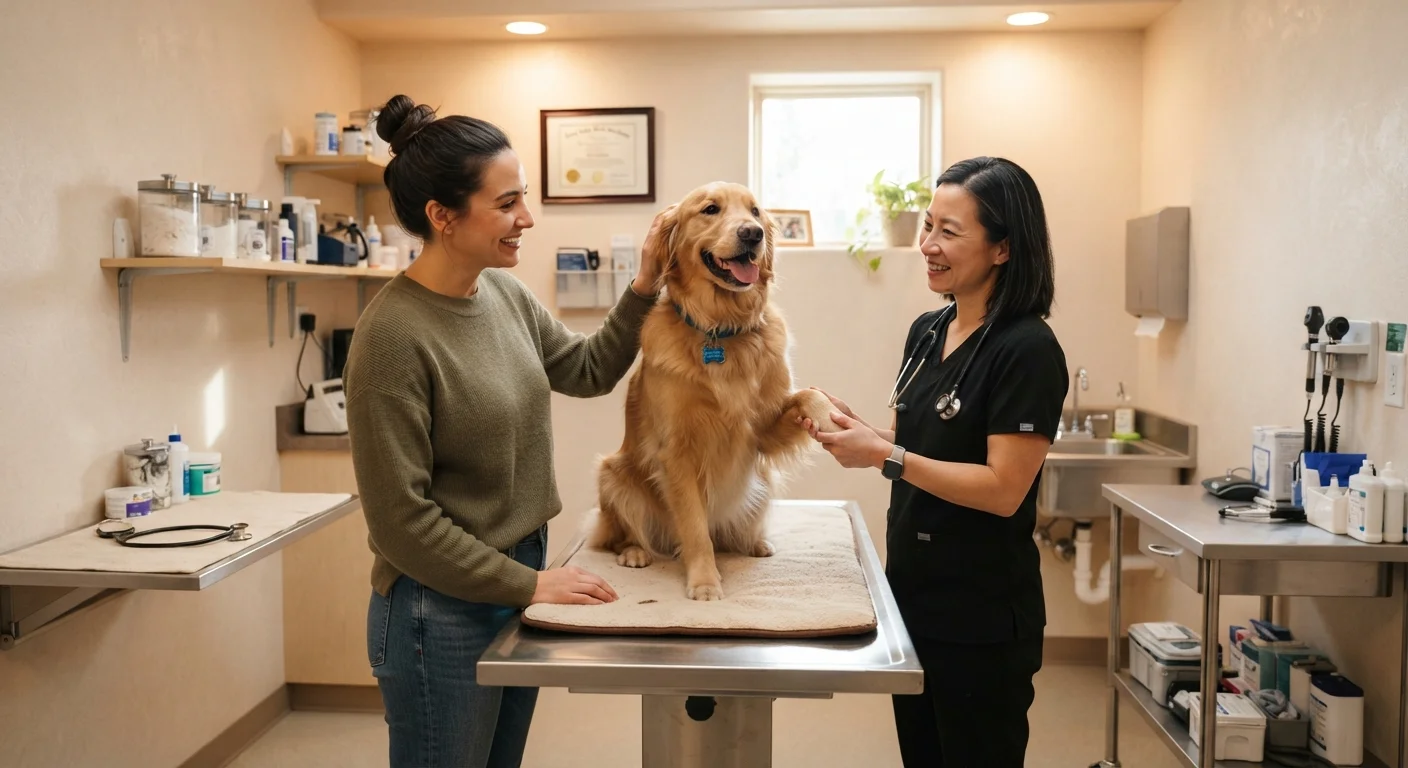
Building a Preventive Care Routine Your Vet Will Actually Approve Of

Photo: InfoAlly.net | Finding Info Made Easy editorial

Vet-informed principles for structuring your pet's diet, exercise, dental care, and screenings into a consistent, sustainable wellness routine.

Key Takeaways

  • Preventive care is most effective when built into a consistent, repeatable schedule rather than handled reactively.
  • Nutrition, exercise, dental hygiene, and routine screenings are the four pillars of a vet-approved wellness routine.
  • Many early signs of illness are detectable at home before they become serious veterinary concerns.
  • Senior pets and young animals have distinct preventive care needs that evolve with age.
  • Consulting your veterinarian regularly helps personalize care beyond general guidelines.

Why Preventive Care Beats Reactive Treatment

Most pet health problems that vets see daily didn't appear overnight. Dental disease, obesity, joint deterioration, and organ dysfunction typically develop gradually — often silently — until symptoms become impossible to ignore. That's the core argument for preventive care: catching problems early, or preventing them altogether, is far less stressful for your pet and far less costly over time than treating advanced illness.

A thoughtful preventive routine isn't about over-medicalizing your relationship with your animal. It's about paying attention consistently. Whether you have a kitten in her first year or a senior dog navigating age-related changes, structured wellness habits create a baseline that makes abnormalities visible. See our first-year health roadmap for puppies and kittens if you're just starting out, or explore how health needs shift as pets age for older companions.

“The best thing owners can do is think of wellness visits not as a reaction to sickness, but as an investment in understanding their animal's individual normal — so deviations are caught early.”

— American Animal Hospital Association, Organization setting veterinary care standards for companion animals in the US and Canada

The Four Pillars: Nutrition, Movement, Dental Care, and Screenings

Vets generally agree that sustainable preventive care rests on four interconnected areas. Neglecting any one of them creates a gap that the others can't fully compensate for.

1

Feed measured, species-appropriate meals on a consistent schedule every day.

Irregular feeding and free-choice eating are linked to obesity, digestive upset, and difficulty monitoring appetite changes — an early indicator of illness. Portion control helps maintain a healthy body condition score, which veterinarians use to assess weight-related risk. Consistent timing also supports digestive rhythm.
Example: Dividing a dog's daily ration into two measured meals at the same times each morning and evening makes it easy to notice when appetite drops, a common early warning sign worth reporting to your vet.
2

Build daily movement into your pet's schedule based on species and age.

Physical activity supports healthy weight, joint function, cardiovascular health, and mental well-being. The right amount and type varies significantly by species, breed, and life stage — a Border Collie needs far more than a Persian cat. Consistent movement also reduces stress-related behavior problems.
Example: A mix of structured leash walks, off-leash play sessions, and indoor enrichment activities can fulfill a dog's exercise needs without requiring marathon-length outings every day.
3

Establish a regular at-home dental hygiene habit and schedule professional cleanings as recommended.

Periodontal disease is one of the most common health conditions in adult dogs and cats, and it's closely linked to heart, kidney, and liver complications when left untreated. Daily tooth brushing with pet-safe toothpaste is considered the gold standard by veterinary dental specialists. Professional cleanings allow for below-gumline assessment that home care can't replicate.
Example: Introducing tooth brushing gradually — starting by letting your pet lick the toothpaste, then progressing to gentle brushing over a few weeks — dramatically increases acceptance and long-term compliance.
4

Keep annual or semi-annual veterinary wellness exams on the calendar without skipping.

Routine exams allow vets to detect subtle physical changes — lumps, heart murmurs, weight shifts, joint stiffness — before they become advanced problems. Blood panels and parasite screenings catch internal changes that aren't visible externally. Frequency recommendations vary by age: puppies and kittens, adult pets, and seniors all have different exam schedules.
Example: Scheduling a pet's annual exam at the same time each year — perhaps tied to a birthday or seasonal reminder — reduces the likelihood of accidentally letting 18 months pass between visits.
5

Stay current on parasite prevention and vaccinations according to your vet's guidance.

Fleas, ticks, heartworms, and intestinal parasites pose serious health risks and are far easier to prevent than to treat. Vaccination protocols protect against potentially fatal diseases and are tailored to your pet's lifestyle, geographic risk, and species. Lapses in prevention can have consequences that take months to address.
Example: A cat that spends time on a screened porch in a tick-endemic region may need different parasite prevention than a strictly indoor cat in an urban apartment — a conversation worth having with your vet at each annual visit.

80%

Dogs with dental disease by age 3

According to the American Veterinary Medical Association, approximately 80% of dogs show signs of periodontal disease by age three, making dental care one of the most impactful preventive habits an owner can establish.

2x

Higher disease detection with regular exams

Veterinary research consistently shows that pets receiving annual wellness exams have a significantly higher rate of early disease detection compared to those seen only when visibly ill.

Building the Routine Into Real Life

Knowing what to do is only half the challenge — the other half is making it stick. Preventive care works best when it integrates naturally into your existing rhythms rather than feeling like an extra burden.

high Book your pet's next wellness exam today if it's been more than 12 months — or 6 months for senior pets.
high Start brushing your pet's teeth tonight using a finger brush and pet-safe toothpaste — even 30 seconds counts.
medium Weigh your pet at home or at your vet's office and record the number so you have a baseline for comparison.
medium Set a recurring monthly phone reminder to check your pet's ears, eyes, coat, and mobility for any noticeable changes.

Tracking your pet's health between vet visits is equally important. Our quarterly home wellness check walks you through a practical observation checklist covering skin, coat, teeth, eyes, weight, and movement. Pair that with a look at your feeding habits — common feeding mistakes are more widespread than most owners realize and can quietly undermine even an otherwise solid routine. For day-to-day structure, building a daily routine your pet looks forward to offers a gentle framework for weaving care into every day.

Preventive Needs Vary by Species and Breed

General wellness guidelines apply broadly, but individual pets have unique needs shaped by genetics, breed predispositions, lifestyle, and geographic location. Brachycephalic dogs, large breeds prone to joint issues, and certain cat breeds with hereditary conditions all warrant tailored conversations with a veterinarian. Use general guidance as a starting point, not a complete prescription.

This article is for general informational purposes only and is not a substitute for professional veterinary advice. Always consult a licensed veterinarian for guidance specific to your pet's health, breed, age, and individual needs.

Pets & Animal Life Editorial Team

InfoAlly.net | Finding Info Made Easy

Pets & Animal Life Editorial Team is the collective byline for our editorial team and contributor network. Articles published under this byline or an editorial pen name are researched, written, and reviewed according to our editorial standards for clarity, consistency, and independence before publication.

Pet Health & CarePet Behavior & TrainingPet Lifestyle & Fun
View author profile

The content on this site is for informational purposes only and is not a substitute for professional advice. Always consult a qualified professional for guidance specific to your situation.