
Feeding Errors That Undermine Your Pet's Long-Term Health

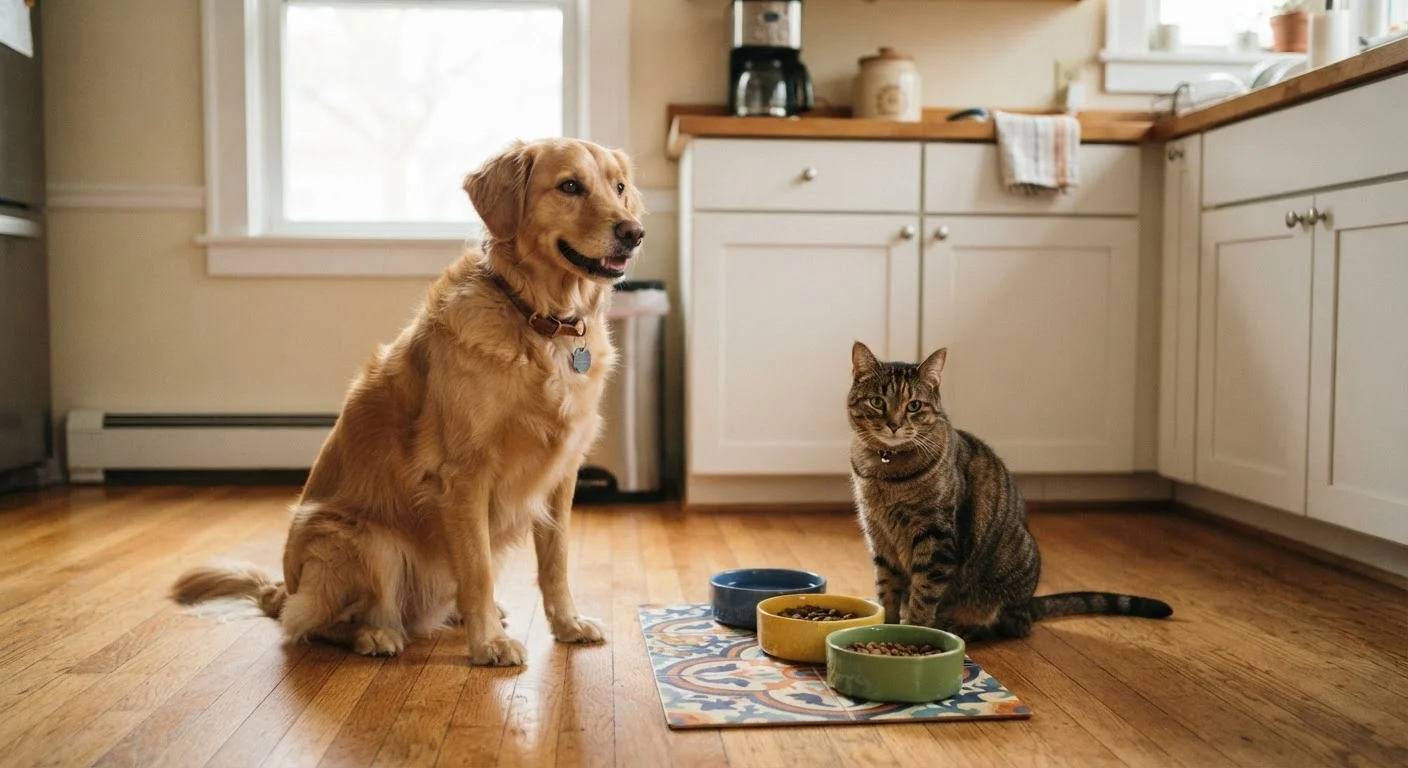
Photo: InfoAlly.net | Finding Info Made Easy editorial
Key Takeaways
- Free-feeding dry food all day can lead to obesity and blood sugar irregularities in pets.
- Homemade diets without veterinary guidance often lack critical minerals like calcium and phosphorus.
- Treats exceeding 10% of daily calories can quietly displace essential nutrients over time.
- Transitioning food too quickly is a leading cause of preventable digestive upset in pets.
Why Feeding Habits Matter More Than You Think
What ends up in your pet's bowl every day is one of the most powerful levers you have over their long-term health. Yet feeding is also where well-meaning owners most commonly make quiet, compounding mistakes. Unlike a missed vet visit or a skipped flea treatment, poor feeding habits rarely trigger immediate symptoms - they accumulate gradually, often showing up years later as obesity, organ stress, or chronic disease.
The encouraging news is that most of these errors are entirely correctable once you know what to look for. The following mistakes are among the most common - and most consequential - identified by veterinary nutrition professionals.
Free-feeding throughout the day instead of offering structured meals.
Overestimating how many treats are harmless extras.
Feeding homemade meals without a professionally balanced recipe.
Switching foods abruptly rather than transitioning gradually.
Ignoring life-stage nutritional requirements and feeding one formula across all ages.
Building a Feeding Routine That Supports Whole-Pet Wellness
Consistent, measured feeding isn't just about calories - it supports behavioral stability, digestive health, and early detection of illness. A pet who refuses a familiar meal is giving you important information; that signal disappears entirely when food is constantly available.
Homemade Diets Carry Real Nutritional Risk
Feeding also connects to broader daily structure. Anchoring feeding times into a predictable routine helps reduce anxiety and reinforces the kind of calm, trust-based relationship that supports both training and wellbeing. And because dental health is closely tied to diet, pairing good feeding habits with oral care is worth exploring - see what dental disease looks like in pets and how diet plays a role.
If you're ready to extend these principles into a full preventive health approach, building a preventive care routine your vet approves of offers a practical framework that covers diet alongside exercise, dental care, and regular screenings.
Always Consult Your Vet About Diet Changes
This article is intended for general educational purposes only and does not constitute veterinary or medical advice. Always consult a licensed veterinarian for guidance specific to your pet's health, species, breed, and life stage.
The content on this site is for informational purposes only and is not a substitute for professional advice. Always consult a qualified professional for guidance specific to your situation.