
Dental Disease Is the Most Overlooked Pet Health Problem - Here's What to Know

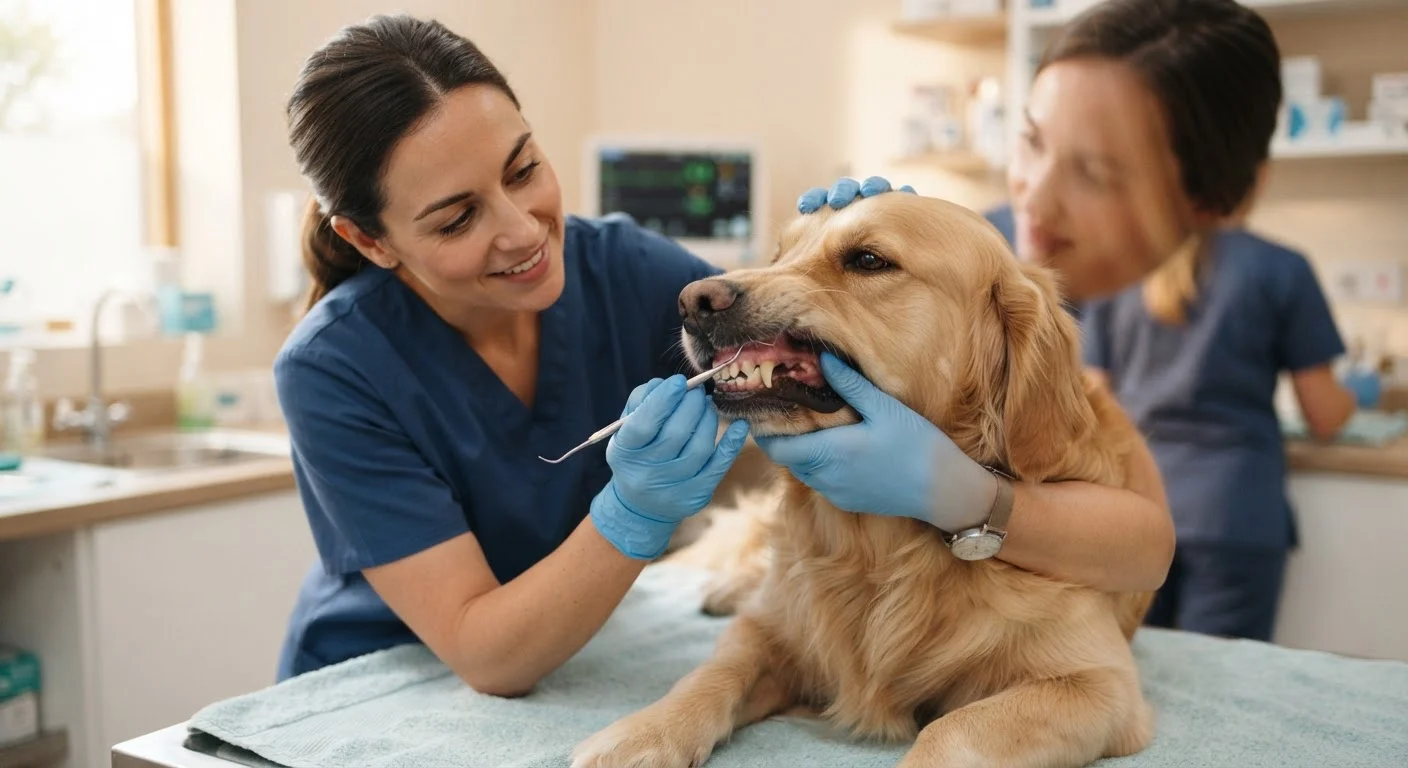
Photo: InfoAlly.net | Finding Info Made Easy editorial
Key Takeaways
- Periodontal disease affects the majority of dogs and cats over age three.
- The disease is largely silent - pets rarely show obvious pain even in advanced stages.
- Untreated dental disease can contribute to systemic health issues affecting the heart and kidneys.
- Daily tooth brushing remains the most effective home prevention method.
- Professional veterinary dental cleanings are essential and require anesthesia for thorough results.
- Early detection at routine vet visits dramatically improves outcomes for affected pets.
Why Dental Disease Flies Under the Radar
Most pet owners know to watch for limping, vomiting, or changes in energy. But dental health rarely gets the same attention - and that gap has real consequences. Periodontal disease is the most frequently diagnosed condition in adult dogs and cats, yet it often goes unaddressed for years simply because pets are remarkably good at hiding oral pain.
Unlike humans, who seek relief when a tooth aches, pets tend to continue eating and behaving normally even when their mouths are in significant distress. This masking instinct, a holdover from survival behavior, means owners and even well-meaning caregivers can miss the signs entirely. Understanding subtle behavioral cues that may signal a health problem is especially important when it comes to dental issues, where outward symptoms are minimal until disease is advanced.
Bad Breath Is Not Normal in Pets
How Periodontal Disease Develops
The process starts simply: bacteria naturally present in the mouth combine with food particles and saliva to form plaque, a soft film that coats the teeth. Without regular removal, plaque mineralizes into tartar - a hard, yellowish deposit that clings to tooth surfaces and creeps below the gumline.
Once below the gumline, bacteria trigger an immune response in the surrounding tissue. The gums become inflamed (a condition called gingivitis), and if left untreated, this inflammation begins to destroy the ligaments and bone that anchor each tooth. At Stage 1, the damage is fully reversible with a professional cleaning. By Stages 3 and 4, teeth may need to be extracted and the bone cannot regenerate.
~80%
Adult dogs affected by age three
According to the American Veterinary Medical Association, an estimated 80% of dogs show signs of periodontal disease by their third year of life.
~70%
Adult cats with periodontal disease
Veterinary dental organizations cite similar figures for cats, with the majority of adult cats exhibiting some degree of dental disease by middle age.
Stage 1-4
Severity scale used by vets
The Companion Animal Dental Assessment system classifies periodontal disease from Stage 1 (reversible gingivitis) to Stage 4 (severe bone loss), guiding treatment decisions.
The speed of progression varies by species, breed, and size. Small-breed dogs are disproportionately affected because their teeth are often crowded in smaller jaws, creating more surface area for plaque to accumulate. Flat-faced breeds like Persian cats and French Bulldogs face similar challenges due to their jaw structure.
The Systemic Connection: More Than Just a Mouth Problem
Dental disease isn't confined to the mouth. Research has explored associations between advanced periodontal disease and changes in the heart, kidneys, and liver of companion animals. The proposed mechanism involves oral bacteria entering the bloodstream through inflamed gum tissue, potentially seeding inflammation in distant organs over time.
While the science is still evolving and causation is complex, veterinary professionals broadly agree that maintaining good oral health is one meaningful piece of a whole-body wellness strategy. This connects naturally to building a vet-approved preventive care routine that addresses more than just vaccinations and flea prevention.
Senior pets are particularly at risk, as cumulative dental neglect compounds with age-related immune changes. If you're thinking through your older animal's broader needs, our guide on how health needs shift as dogs and cats age covers dental care in the context of the full aging picture.
Prevention: What Actually Works
The gold standard for home dental care is daily tooth brushing using a pet-safe toothpaste. It sounds ambitious, but many pets - especially when introduced gradually and with positive reinforcement - accept it well. Even a few sessions per week reduces plaque accumulation meaningfully compared to doing nothing.
Introducing Tooth Brushing to Your Pet
Veterinary dental cleanings under anesthesia are the only way to thoroughly address plaque and tartar below the gumline, where damage actually begins. These cleanings also include dental X-rays, which reveal bone loss and root disease invisible to the naked eye. The frequency depends on your individual pet's risk factors - your veterinarian is the right person to guide that decision.
Diet and chew habits also play a role. Feeding errors - including an over-reliance on soft foods or inappropriate treats - can affect dental health in ways many owners don't anticipate. Our piece on feeding errors that undermine your pet's long-term health explores some of the less obvious ways nutrition choices affect your pet's wellbeing.
This article provides general health information for educational purposes only and is not a substitute for professional veterinary advice. Always consult a qualified veterinarian regarding your pet's specific dental or medical needs.
Frequently Asked Questions
The content on this site is for informational purposes only and is not a substitute for professional advice. Always consult a qualified professional for guidance specific to your situation.