
Reading Your Cat's Body Language from Ears to Tail

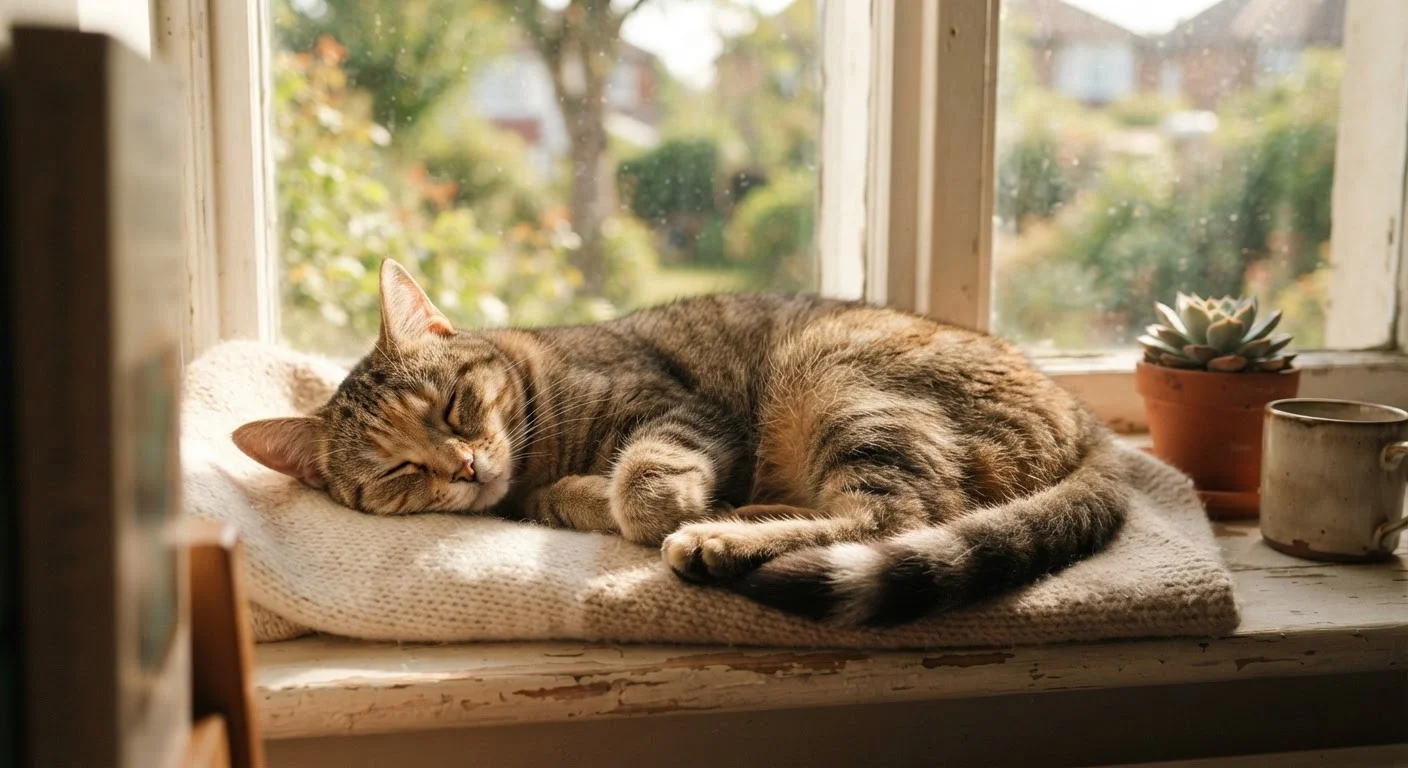
Photo: InfoAlly.net | Finding Info Made Easy editorial
Why Feline Body Language Matters
Cats are remarkably expressive animals - they just speak a language most humans haven't been taught to read. Unlike dogs, who evolved alongside humans for tens of thousands of years to read our facial cues, cats retain many communication patterns inherited from solitary ancestors. That means their signals can be subtle, layered, and easy to misinterpret.
Understanding what your cat is saying - through posture, ear angle, tail position, and even pupil size - isn't just a fun parlor trick. It's a genuine tool for building trust, preventing conflict, and catching early signs of stress or discomfort. As part of the broader topic of understanding and shaping pet behavior, learning feline body language is one of the most practical skills any cat owner can develop.
| Number of ear muscles in cats | ~32 muscles per ear (Veterinary anatomy research) |
| Tail positions with distinct meanings | At least 5 recognized states (Feline behavior literature) |
| Primary function of purring | Self-soothing and social bonding (Animal behavior studies) |
| Slow blink interpretation | Widely associated with trust and calm (University of Sussex, 2020 study) |
| Cats' visual field | Approximately 200 degrees (Comparative ophthalmology research) |
Ears, Eyes, and Whiskers: The Face Tells All
Start at the top: your cat's ears are highly mobile and incredibly expressive. Ears facing forward signal curiosity or alertness. Ears rotated sideways - sometimes called "airplane ears" - often indicate anxiety or overstimulation. Ears flattened fully back against the skull are a clear warning: the cat feels threatened or is preparing to defend itself.
Eyes add another layer. Slow blinking from a relaxed cat is widely interpreted by animal behaviorists as a sign of trust and ease - many cats respond warmly when you slow-blink back. Dilated pupils in low light are normal, but dilated pupils in bright conditions can signal fear or intense arousal. Narrow, constricted pupils paired with a hard stare often mean the cat is focused and potentially agitated.
Whiskers resting gently to the sides indicate calm. Whiskers pushed sharply forward suggest intense interest or excitement - and whiskers pulled tightly back against the face reinforce a defensive or frightened state.
Piloerection
The involuntary raising of fur along a cat's back or tail, making the animal appear larger. It is triggered by fear, threat, or intense arousal and is not under the cat's conscious control.
Slow blink
A deliberate, unhurried closing and opening of a cat's eyes, widely regarded by animal behaviorists as a signal of relaxation and trust. Mirroring this gesture can help reinforce a calm bond with your cat.
Displacement behavior
Actions cats perform when conflicted or stressed - such as sudden grooming in the middle of a tense situation - that serve as a release valve for internal tension.
Overstimulation
A state in which sensory input - like prolonged petting - exceeds a cat's comfort threshold. Signs include skin twitching, tail lashing, and turning to bite or scratch the hand that's petting them.
Trill
A short, rolling vocalization cats make by combining a purr and a meow. Trills are typically a friendly greeting directed at people or other cats they feel comfortable around.
The Tail: Your Cat's Mood Barometer
Few signals are as readable as tail position. A tail held high and vertical - especially with a slight curl at the tip - is one of the warmest greetings a cat can offer. It signals confidence and friendliness. A tail held low or tucked under the body communicates fear or submission.
A puffed-up tail (piloerection) means the cat is trying to appear larger in response to a perceived threat. This is an involuntary reflex, not a choice - it tells you the cat is genuinely alarmed. A lashing or rapidly swishing tail is commonly misread as happiness (it's not a dog's wagging tail): it usually signals irritation or escalating agitation, and is a good cue to give your cat space.
For a deeper look at how these signals connect to biting and scratching behavior, see our guide to feline play aggression and redirection.
Full-Body Postures and Vocalizations
Posture ties everything together. A cat lying on its back with belly exposed is often in a relaxed state - but this isn't always an invitation to rub the belly. Many cats find belly contact overstimulating even when they appear relaxed. A crouched posture with the body pulled low to the ground typically signals fear or defensive readiness.
Vocalizations round out the picture. A trill or chirp is usually social and positive. A slow, steady purr generally signals contentment, though cats also purr when in pain as a self-soothing mechanism - so context matters. Growling, hissing, and yowling are unmistakable distress signals that should never be dismissed.
Behavioral changes - like a normally vocal cat going quiet or a sociable cat suddenly hiding - can sometimes indicate illness. Our article on subtle signs your pet may be sick covers those quieter signals in detail. For a cross-species comparison of body language cues, explore the pet body language field guide.
This article is for general informational and educational purposes only. For concerns about your cat's health or behavior, consult a licensed veterinarian or certified animal behaviorist.
The content on this site is for informational purposes only and is not a substitute for professional advice. Always consult a qualified professional for guidance specific to your situation.