
Starting From Scratch: A First-Time Pet Owner's Introduction to Training

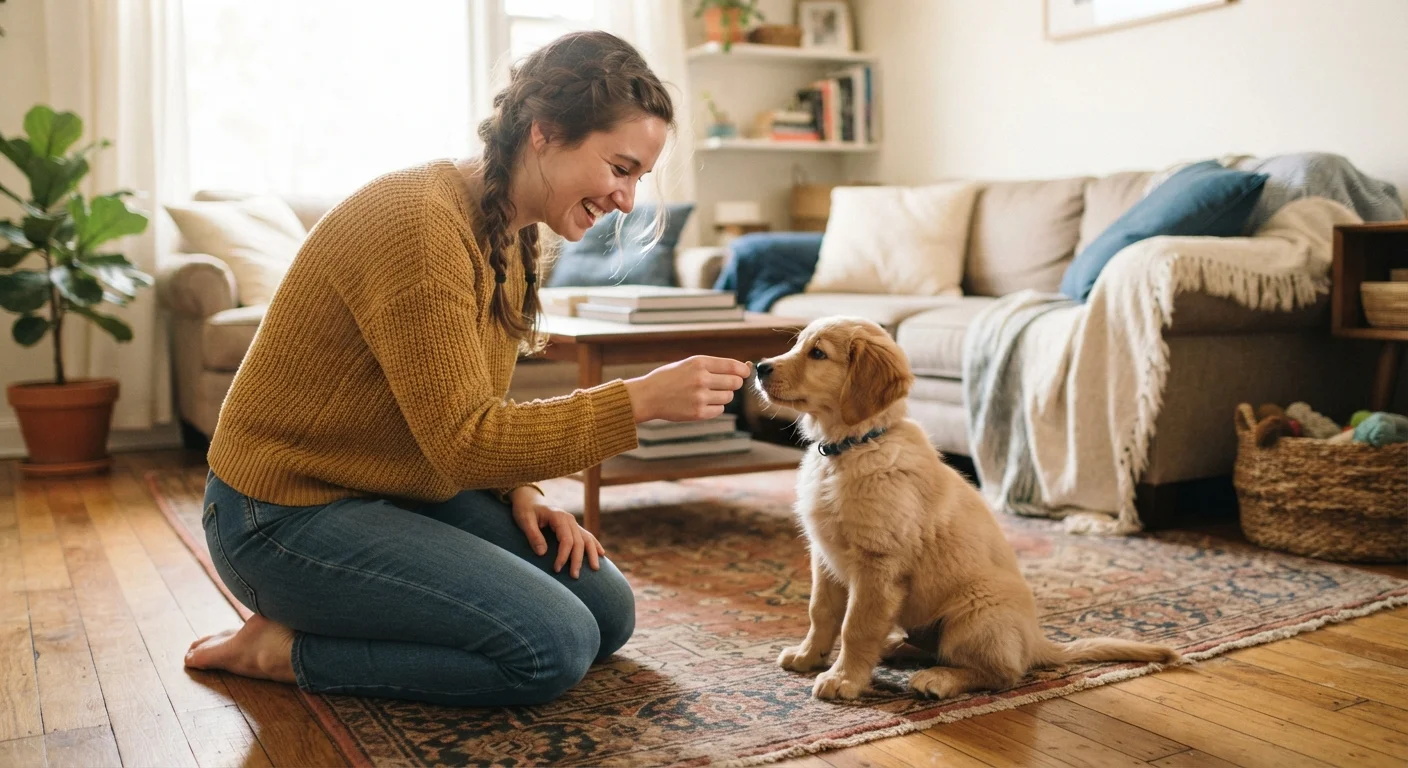
Photo: InfoAlly.net | Finding Info Made Easy editorial
Key Takeaways
- Positive reinforcement - rewarding desired behavior - is the most widely supported training approach for pets.
- Timing is critical: rewards delivered within one to two seconds of a behavior are most effective.
- Short, frequent sessions (five to ten minutes) outperform long, infrequent ones for most pets.
- Consistency across all household members prevents confusion and speeds up learning.
- Training is not just obedience - it's a primary way to build a trusting bond with your pet.
- Even adult and senior pets can learn new behaviors with the right approach and patience.
Why Training Matters More Than You Think
Many first-time pet owners think of training as a luxury - a nice extra for people who want a perfectly behaved show dog. In reality, training is one of the most important investments you can make in your pet's wellbeing and your shared life together.
Structured training helps pets understand what is expected of them, which reduces anxiety and confusion. A pet who understands basic cues is safer around people, other animals, and in new environments. And the process of training itself - the communication, the teamwork, the small celebrations - is one of the most powerful ways to build genuine trust between you and your animal.
Training also supports your pet's health journey more broadly. Curious how training fits alongside veterinary care? Our first-year health roadmap for puppies and kittens lays out the full picture of what to plan for in those critical early months.
Positive reinforcement
Adding something your pet enjoys (like a treat or praise) immediately after a desired behavior to make that behavior more likely to happen again.
Operant conditioning
A learning process where behaviors are shaped by their consequences - behaviors that lead to good outcomes tend to be repeated, while those that don't tend to fade.
Marker training
Using a distinct sound - often a click from a handheld clicker - to precisely mark the exact moment a pet performs a desired behavior, followed immediately by a reward.
Extinction
The gradual fading of a behavior when it stops producing any reward or reinforcement over time.
Reinforcement window
The brief span of time - typically one to two seconds - in which a reward must be delivered for a pet to associate it with the behavior you want to encourage.
Impulse control
A pet's ability to pause and wait rather than immediately reacting to something exciting or tempting - a skill built through training exercises like 'stay' and 'leave it'.
The Science Behind How Pets Learn
Pets learn primarily through operant conditioning - the process by which behaviors followed by good outcomes are repeated, and behaviors followed by no reward or an unpleasant outcome tend to fade. This isn't a theory or a trend; it's a deeply established principle of animal behavior science.
The most practical and widely recommended application of this science for everyday pet owners is positive reinforcement: rewarding the behavior you want to see more of. When your dog sits and immediately receives a treat, the brain registers that sitting produced something good - making the dog more likely to sit again in the future.
Equally important is understanding extinction: when a behavior stops producing a reward, it gradually fades. This is why ignoring unwanted attention-seeking behavior (rather than accidentally rewarding it with a reaction) is often more effective than punishment. For a deeper dive into the learning theory behind all of this, our complete guide to understanding pet behavior covers the full landscape.
Timing, Rewards, and the Art of Reinforcement
Even if you understand the theory, training can stall if your execution is off. The two most common culprits are poor timing and mismatched rewards.
Timing is everything. Research in animal learning consistently points to a narrow reinforcement window - ideally within one to two seconds of the desired behavior. Deliver your reward any later and your pet may associate the reward with whatever they were doing after the behavior, not the behavior itself. A clicker - a small handheld device that makes a distinct click sound - is a popular training tool precisely because it lets you mark the exact moment a behavior occurs, then follow up with a treat.
Rewards should be meaningful to your specific pet. Small, soft, smelly treats work well for many dogs. Cats may respond better to a preferred toy or a few kibbles of their favorite food. If your pet doesn't seem interested in your reward, it may not be motivating enough - experiment until you find what genuinely excites them.
Keep Treats Small and Plentiful
Your First Five Skills to Teach
Start with behaviors that are practical, achievable, and immediately useful in daily life. These five form a reliable foundation:
- Sit - A calm, controlled position that's useful before meals, doorways, and greetings.
- Stay - Teaches impulse control and keeps your pet safe in unpredictable situations.
- Come (recall) - Arguably the most important safety skill your pet can have.
- Leave it - Prevents your pet from picking up dangerous items.
- Name recognition - The gateway to every other skill; your pet needs to know when you're talking to them.
Introduce one skill at a time and only add complexity once your pet reliably responds in a low-distraction setting. Before each session, run through a quick mental check of your environment and materials - our training session preparation checklist can help you get organized.
Common Mistakes New Trainers Make
Even well-meaning pet owners can accidentally undermine their own progress. Watch for these patterns:
- Sessions that run too long. When a pet becomes tired or frustrated, they stop learning. End on a success, not a struggle.
- Inconsistent rules. If one household member allows the dog on the couch and another doesn't, the dog isn't being stubborn - they're genuinely confused. Everyone in the home needs to agree on the rules.
- Rewarding the wrong thing. Giving attention - even negative attention - to an unwanted behavior can accidentally reinforce it. Notice what your pet is doing the moment you react.
- Moving too fast. Jumping to advanced cues before basics are solid leads to frustration on both sides. Mastery at each step builds the foundation for everything after.
Avoid Punishment-Based Techniques
Building Habits That Last
The goal of early training isn't perfection - it's establishing a pattern of communication your pet can rely on. Consistency, patience, and short daily practice will take you much further than one intensive weekend of drills.
Think about integrating training into moments you're already sharing: a quick sit before the food bowl goes down, a recall practice before the leash comes off at the park. These micro-sessions accumulate into durable habits without feeling like formal work.
As your pet's skills grow, so will your confidence - and so will the bond between you. For a structured approach to scheduling and pacing as you progress, explore our guide on building a consistent training routine. And remember: if you ever feel stuck or concerned about your pet's behavior, a certified professional trainer or veterinary behaviorist is always a worthwhile resource to consult.
This article is for general informational purposes only and does not constitute professional veterinary or behavioral advice. Always consult a qualified veterinarian or certified animal behaviorist for concerns specific to your pet.
Frequently Asked Questions
The content on this site is for informational purposes only and is not a substitute for professional advice. Always consult a qualified professional for guidance specific to your situation.