
The Case For and Against Dressing Up Your Pet

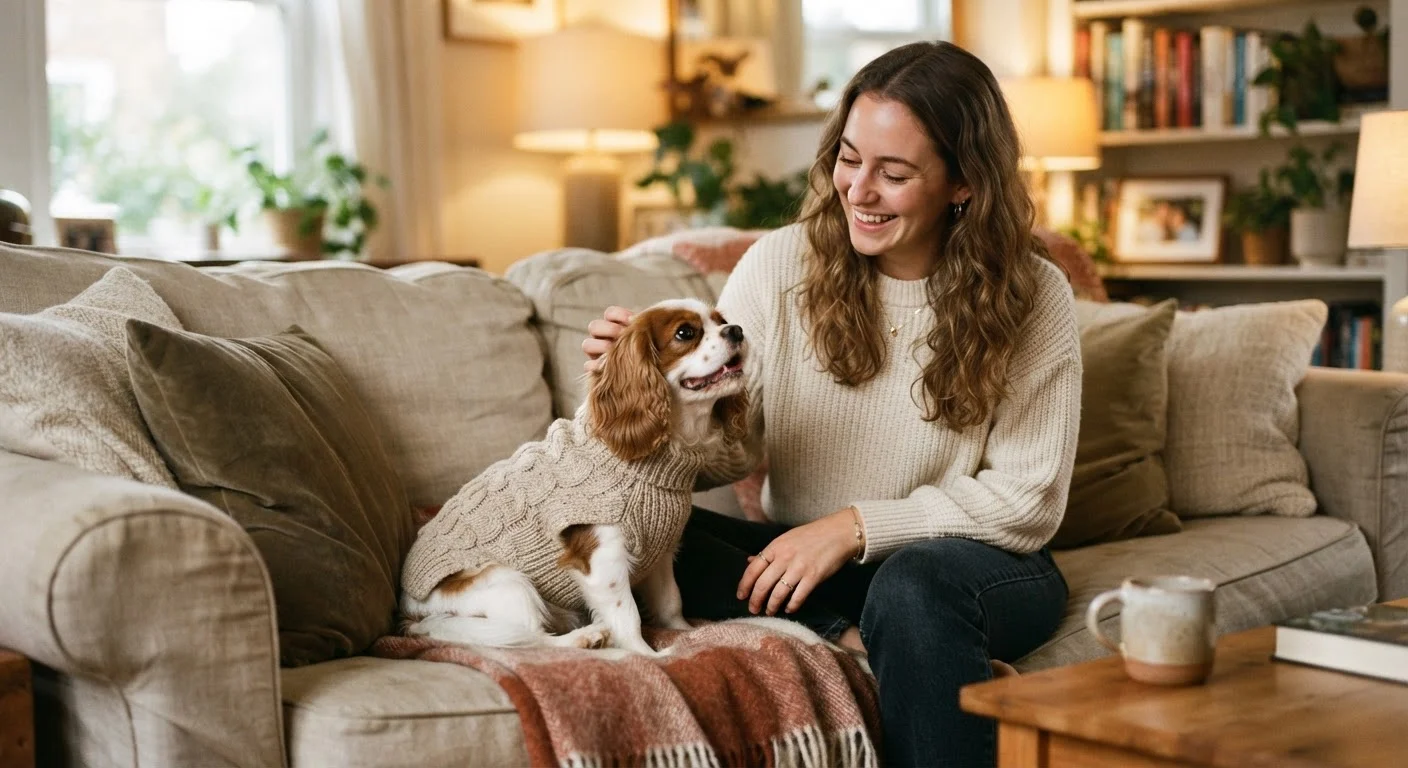
Photo: InfoAlly.net | Finding Info Made Easy editorial
Key Takeaways
- Some pets genuinely benefit from clothing for warmth or medical reasons, while others find it stressful.
- Reading your pet's body language is the most reliable way to know if they're comfortable.
- Fit, fabric, and duration of wear all affect whether pet clothing is safe or harmful.
- Dressing up a pet can strengthen the human-animal bond when done thoughtfully and without force.
Genuine warmth for small or thin-coated breeds
Short-haired and toy breeds lose body heat quickly in cold weather. A properly fitted sweater or coat can make outdoor time more comfortable and safer during winter months.
Medical protection after surgery or injury
Veterinarians often recommend protective garments post-surgery to prevent licking or irritating wounds - a legitimate, health-driven use of pet clothing.
Can reduce anxiety in some sensitive dogs
Snug-fitting garments, sometimes called anxiety wraps, are used by some owners and trainers to help dogs feel more settled during stressful events like thunderstorms.
Strengthens the human-animal bond when done gently
When introduced gradually with positive reinforcement, dressing a pet can become a calm, trust-building interaction that both animal and owner associate with positive attention.
Adds genuine joy to shared celebrations
For tolerant pets, participating in seasonal moments - like a holiday photo - can be a low-stress, enriching experience that many owners genuinely cherish.
Many pets find clothing highly stressful
Unfamiliar textures, restricted movement, and sensory overload can trigger visible anxiety in pets. Freezing in place, tucked tails, and frantic removal attempts are common stress signals.
Poorly fitted garments pose real safety risks
Clothing that's too tight can restrict breathing or circulation; too loose and it becomes a tripping or tangling hazard. Many off-the-shelf pet costumes aren't designed with animal anatomy in mind.
Overheating is a serious concern
Pets regulate body temperature differently from humans. Layering clothing on a dog that already has a dense coat, or leaving a garment on in a warm environment, can lead to dangerous overheating.
Cats rarely tolerate clothing comfortably
Feline body language and sensory sensitivity make clothing particularly distressing for most cats. Unlike dogs, cats are unlikely to habituate to wearing garments over time.
Can prioritize owner enjoyment over animal needs
When the primary motivation is aesthetics or social media appeal rather than the pet's comfort or health, there's a genuine ethical tension worth acknowledging honestly.
Why Pet Clothing Has Become Such a Big Conversation
Walk through any pet store or scroll through social media and you'll find an entire world dedicated to dressing animals - from holiday costumes to everyday sweaters to raincoats. It's a genuinely divisive topic. Some owners see it as harmless fun or even practical necessity; animal welfare advocates sometimes caution that it prioritizes human entertainment over pet comfort.
The truth, as with most things involving animals, sits somewhere in the middle. Whether putting clothes on your pet is a good idea depends on your specific animal, the garment itself, and the context in which it's worn. Understanding both sides helps you make a more thoughtful call.
For a broader look at how your choices shape your pet's daily experience, see our guide to how pets experience home environments.
The Case For Dressing Up Your Pet
There are genuinely good reasons some pets wear clothing - and they go beyond aesthetics.
Genuine warmth for small or thin-coated breeds
Short-haired and toy breeds lose body heat quickly in cold weather. A properly fitted sweater or coat can make outdoor time more comfortable and safer during winter months.
Medical protection after surgery or injury
Veterinarians often recommend protective garments post-surgery to prevent licking or irritating wounds - a legitimate, health-driven use of pet clothing.
Can reduce anxiety in some sensitive dogs
Snug-fitting garments, sometimes called anxiety wraps, are used by some owners and trainers to help dogs feel more settled during stressful events like thunderstorms.
Strengthens the human-animal bond when done gently
When introduced gradually with positive reinforcement, dressing a pet can become a calm, trust-building interaction that both animal and owner associate with positive attention.
Adds genuine joy to shared celebrations
For tolerant pets, participating in seasonal moments - like a holiday photo - can be a low-stress, enriching experience that many owners genuinely cherish.
Small breeds like Chihuahuas and Miniature Pinschers have very little body fat and thin coats, making cold weather a real physiological challenge. A well-fitted sweater on a short walk in January isn't a fashion statement - it's a practical measure. Similarly, dogs recovering from surgery often wear protective garments to prevent licking wounds, following veterinary guidance.
From a bonding perspective, the ritual of dressing a tolerant pet - especially when paired with treats and calm handling - can become a positive interaction that both owner and animal associate with attention and care.
The Case Against Dressing Up Your Pet
The arguments on the other side are equally worth taking seriously, particularly when clothing causes visible discomfort.
Many pets find clothing highly stressful
Unfamiliar textures, restricted movement, and sensory overload can trigger visible anxiety in pets. Freezing in place, tucked tails, and frantic removal attempts are common stress signals.
Poorly fitted garments pose real safety risks
Clothing that's too tight can restrict breathing or circulation; too loose and it becomes a tripping or tangling hazard. Many off-the-shelf pet costumes aren't designed with animal anatomy in mind.
Overheating is a serious concern
Pets regulate body temperature differently from humans. Layering clothing on a dog that already has a dense coat, or leaving a garment on in a warm environment, can lead to dangerous overheating.
Cats rarely tolerate clothing comfortably
Feline body language and sensory sensitivity make clothing particularly distressing for most cats. Unlike dogs, cats are unlikely to habituate to wearing garments over time.
Can prioritize owner enjoyment over animal needs
When the primary motivation is aesthetics or social media appeal rather than the pet's comfort or health, there's a genuine ethical tension worth acknowledging honestly.
Dogs communicate stress through body language: ears pinned back, tail tucked, freezing in place, or frantically trying to remove a garment are all signs of distress. When a pet is dressed purely for human enjoyment and shows these signals, the experience - however well-intentioned - is working against their wellbeing.
Cats, in particular, are rarely comfortable in clothing. Most cats find garments deeply disorienting; their sensory experience of fabric covering their body is quite different from a dog's. There are exceptions, but they tend to be rare and are usually animals introduced to clothing very gradually from kittenhood.
You can learn more about reading and responding to animal behavior signals in our Pet Behavior & Training hub.
A Note on Cats and Clothing
How to Know If Your Pet Is Actually Comfortable
The single most important factor in this debate is your pet's individual response. Signs of genuine comfort include: moving freely without hesitation, showing no interest in removing the garment, and maintaining normal behavior (eating, playing, interacting). Signs of distress include freezing, crouching, excessive scratching, or becoming withdrawn.
~70%
Pet owners who have dressed their pet at least once
According to the American Pet Products Association, a significant majority of pet owners in the US have purchased or used some form of clothing or costume for their pet.
3-5 minutes
Recommended initial wear time for new garments
Animal behaviorists generally suggest starting with very short sessions - just a few minutes - when first introducing clothing to a pet, gradually increasing duration only if the animal remains relaxed.
Fit matters enormously. Clothing that restricts movement around the neck, legs, or chest can cause overheating, chafing, or restrict breathing. Natural, breathable fabrics tend to cause less irritation than stiff synthetic materials. Duration also matters - even a tolerant pet shouldn't wear a costume for hours at a stretch.
If you're ever unsure whether a reaction is stress or adjustment, your veterinarian is the right person to consult. General pet health resources like our Pet Health & Care hub can also help you stay informed about your animal's broader wellbeing.
The content on this site is for informational purposes only and is not a substitute for professional advice. Always consult a qualified professional for guidance specific to your situation.