
Free-Roam vs. Contained Spaces: How Pets Experience Home Differently

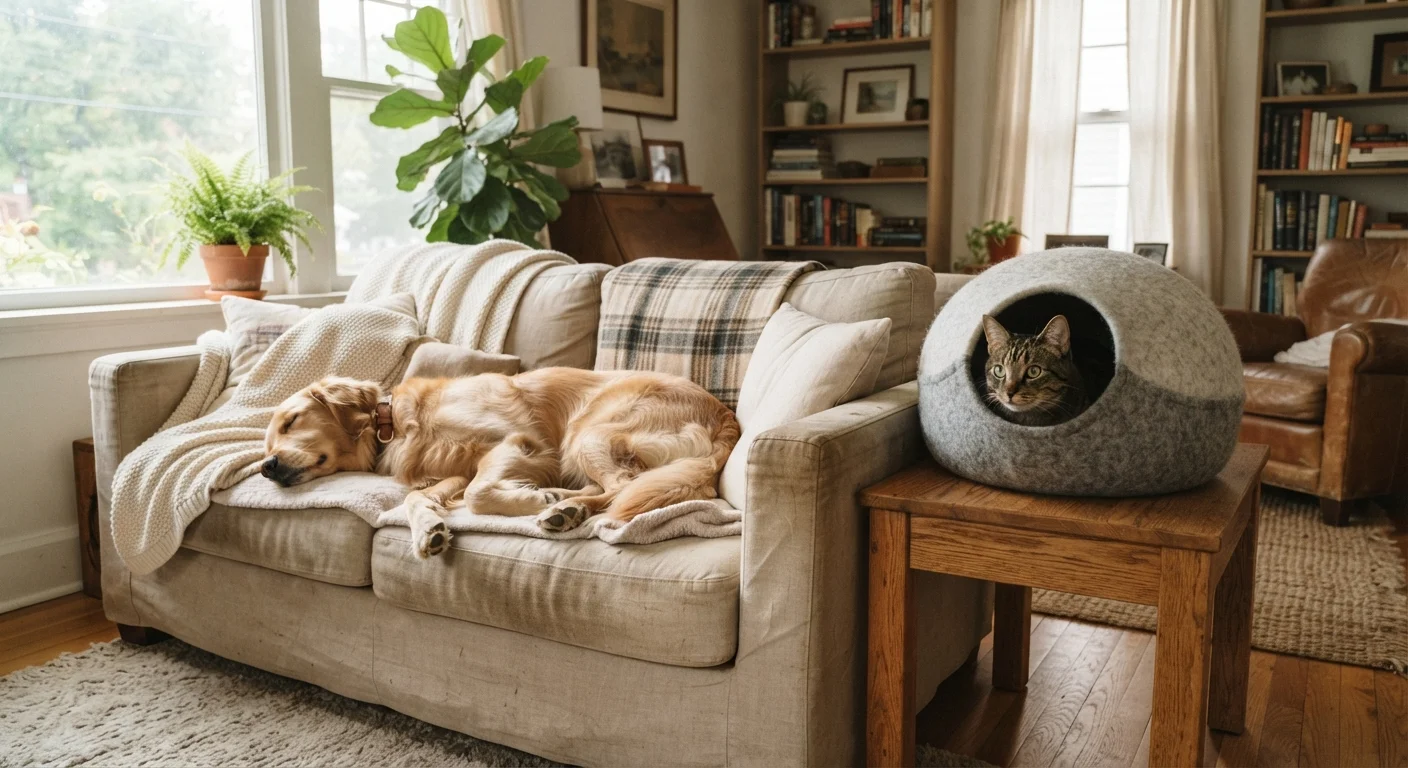
Photo: InfoAlly.net | Finding Info Made Easy editorial
Key Takeaways
- Neither free-roam nor contained spaces is universally better - the right choice depends on your pet's temperament and life stage.
- Many pets actually seek out enclosed, den-like spaces voluntarily, even when given full freedom to roam.
- Containment done thoughtfully - with enrichment and comfort - differs greatly from isolation or confinement as punishment.
- Mixing both approaches often yields the best outcomes, offering choice and security simultaneously.
- Always consult a veterinarian or certified animal behaviorist if your pet shows signs of anxiety related to space.
How Space Shapes a Pet's Daily Experience
Walk into almost any pet-loving home and you'll find a quiet debate playing out in the floor plan: should the dog have the run of the house, or does a designated area serve them better? The same question applies to cats, rabbits, and other companion animals. And while it might feel like a matter of personal preference, the science of animal behavior suggests that how we structure a pet's environment meaningfully affects their sense of safety and wellbeing.
Pets don't experience space the way humans do. They read it through scent, sound, temperature, and routine. A wide-open living room can feel inviting or overwhelming depending on the animal's history, personality, and species-specific instincts. Understanding those differences is the starting point for making a genuinely thoughtful choice - not just a convenient one.
For a broader look at how environment and daily habits intersect with your pet's health, explore the Pet Health & Care hub for evidence-informed guidance.
| Criterion | Free-Roam Access | Contained Spaces |
|---|---|---|
| Stimulation & enrichment | High - varied environment, self-directed | Moderate - depends on setup and rotation |
| Sense of security | Variable - depends on temperament | High - predictable, den-like comfort |
| Best suited for | Confident, trained, social pets | Anxious, young, or transitioning pets |
| Multi-pet households | Can increase resource competition | Supports separation and gradual introduction |
| Owner supervision needed | More ongoing oversight required | Less required during unsupervised periods |
| Risk of boredom | Lower when enrichment is available | Higher if space is bare or unchanging |
| Training dependency | Requires solid house manners | Can support training in progress |
The Case for Free-Roam Access
Allowing a pet to move freely through the home offers real benefits - particularly for social species like dogs, who are wired to be near their people. Free-roam living means your pet can follow you from room to room, self-regulate their activity level, and choose where they rest based on their own comfort. That kind of agency matters more than many owners realize.
Research in animal behavior consistently points to environmental enrichment - the opportunity to explore, interact, and make choices - as a key factor in reducing boredom-related stress. A dog who can patrol the hallway, settle by a sunny window, or wander to where the family is gathered has more behavioral outlets than one confined to a single room.
That said, free-roam works best when a pet already has solid house manners and a calm, secure temperament. For a younger or still-training animal, unrestricted access can actually increase anxiety - too many stimuli, too few anchors. Behavioral guidance can help owners assess whether their pet is genuinely ready for full access.
~70%
Dogs showing preference for den-like resting spots
Behavioral studies on canine resting preferences consistently find that most dogs gravitate toward enclosed or partially sheltered areas when given a choice, even in open environments.
1 in 4
Pet dogs estimated to experience separation-related distress
Estimates from veterinary behavioral research suggest a significant proportion of dogs show some degree of distress when left alone, with environment playing a contributing role.
The Case for Contained Spaces
The word "containment" carries a slightly punitive ring in everyday language, but in animal care, it describes something quite different: a deliberate, comfortable structure that helps pets feel grounded. Crates, playpens, baby-gated rooms, and designated pet zones aren't about restriction - they're about creating a predictable world within the larger, sometimes chaotic home environment.
Many animals actively seek enclosed spaces on their own. Cats famously choose boxes and tight shelves. Dogs with healthy crate associations will nap inside voluntarily long after training is complete. These behaviors reflect deeply ingrained instincts toward den-like spaces that feel safe and defensible. A well-designed contained area - with comfortable bedding, water, and familiar scents - can serve as a genuine refuge rather than a limitation.
Contained spaces are especially valuable during transitions. If you're introducing a second pet, having defined zones for each animal reduces the resource competition and territorial stress that can derail an otherwise smooth introduction. Similarly, pets dealing with separation anxiety often feel safer in a smaller, familiar space when left alone.
Containment Is Not the Same as Isolation
Finding the Right Balance for Your Pet
The most honest answer here is that most pets benefit from a hybrid of both approaches - structured zones combined with supervised or earned free-roam access. A puppy might start in a gated kitchen, graduate to a few rooms, and eventually earn full-house privileges as trust builds. A senior cat might prefer a cozy corner suite of their own even in a home where they could technically wander anywhere.
What matters most is watching your individual animal. Signs that a pet feels overwhelmed by too much space include pacing, hiding, destructive behavior in isolated rooms, or reluctance to settle. Signs that containment is creating distress include persistent vocalization, repeated escape attempts, or refusal to eat in the designated area. Neither extreme serves the animal well.
Use your weekly routine as a check-in opportunity. The Weekend Reset wellbeing checklist is a practical tool for reviewing your pet's enrichment, comfort, and social needs on a regular basis. It's also worth revisiting whether your pet's play routine is genuinely meeting their needs within whatever space you've chosen.
This article is for general informational purposes only. If your pet is showing signs of anxiety, distress, or behavioral changes related to their environment, please consult a licensed veterinarian or certified animal behaviorist for guidance tailored to your animal's specific needs.
The content on this site is for informational purposes only and is not a substitute for professional advice. Always consult a qualified professional for guidance specific to your situation.