
Why Your Pet's Playtime Isn't as Enriching as You Think

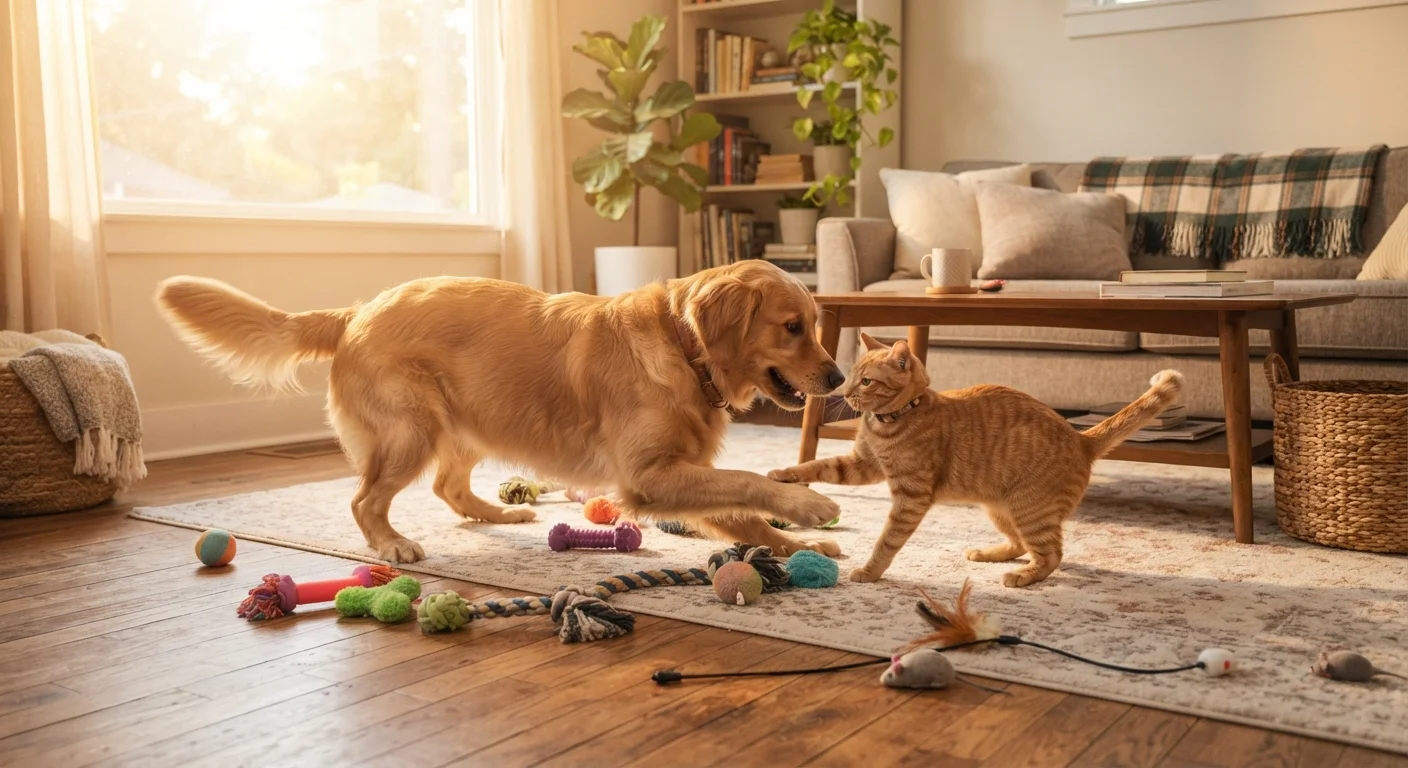
Photo: InfoAlly.net | Finding Info Made Easy editorial
Key Takeaways
- Repetitive play with the same toy or routine can lead to boredom and understimulation over time.
- Species-appropriate play that engages natural instincts is far more enriching than generic activity.
- Passive play - tossing a ball without engagement - misses the bonding and mental stimulation pets need.
- Session length, timing, and variety all significantly affect how beneficial playtime actually is.
- Recognizing signs of understimulation helps you adjust your approach before behavioral issues develop.
When Play Isn't Really Play
Most pet owners make time for play every day - and that dedication is genuinely wonderful. But there's a quiet gap between going through the motions and offering the kind of play that truly nourishes your animal's mind and body. The good news? Closing that gap doesn't require expensive gear or hours of effort. It starts with understanding what your specific pet actually needs from play.
As our enrichment guide explores, genuine stimulation goes well beyond a pile of toys on the floor. Below are the most common mistakes pet owners make during playtime - and practical ways to fix them.
Relying on the same toy or game every single session without variation.
Playing passively - tossing a ball or dangling a wand without genuine interaction.
Ignoring species-specific or breed-specific play instincts.
Keeping play sessions either too short to satisfy or so long they cause overstimulation.
Skipping mental stimulation in favor of purely physical activity.
Not adjusting play as your pet ages or their health changes.
Reading Your Pet's Response to Play
One of the clearest signals that playtime isn't hitting the mark is what your pet does immediately after. A well-stimulated animal tends to settle calmly - resting contentedly rather than pestering you for more, or redirecting that energy into destructive behavior. Persistent whining, excessive chewing, or erratic pacing after a play session are common signs that your pet's needs haven't been fully met.
~50%
Pets showing signs of boredom-related behavior
Animal welfare researchers estimate that roughly half of companion animals display behaviors linked to understimulation, including repetitive actions and destructive tendencies.
2-3x
Engagement increase with interactive vs. solo play
Comparative animal behavior studies suggest pets show significantly higher engagement when a human actively participates rather than simply providing a toy to play with alone.
It also helps to pay attention during play itself. Is your pet actively engaged, making choices, and showing curiosity? Or are they going through familiar motions without much investment? Dogs, for instance, may carry a ball back dutifully but show little excitement - a sign the game has lost its novelty. Cats may bat at a toy once and walk away, which often signals the stimulation isn't triggering their prey drive.
Understanding your pet's behavior more broadly can sharpen your instincts here. Our articles on why dogs repeat unrewarded behaviors and feline play aggression offer useful context for interpreting what you're seeing.
Overstimulation Can Mimic Under-Stimulation
If you're unsure whether your pet's energy or behavior patterns point to understimulation or something else, a conversation with your veterinarian or a certified animal behaviorist is always worthwhile. General information can guide your thinking, but a professional can assess your individual animal.
This article is for general informational purposes only and does not constitute veterinary or professional behavioral advice. Always consult a qualified veterinarian or certified animal behaviorist for guidance specific to your pet.
The content on this site is for informational purposes only and is not a substitute for professional advice. Always consult a qualified professional for guidance specific to your situation.