
The Quiet Difference Between Generic and Store-Brand Products

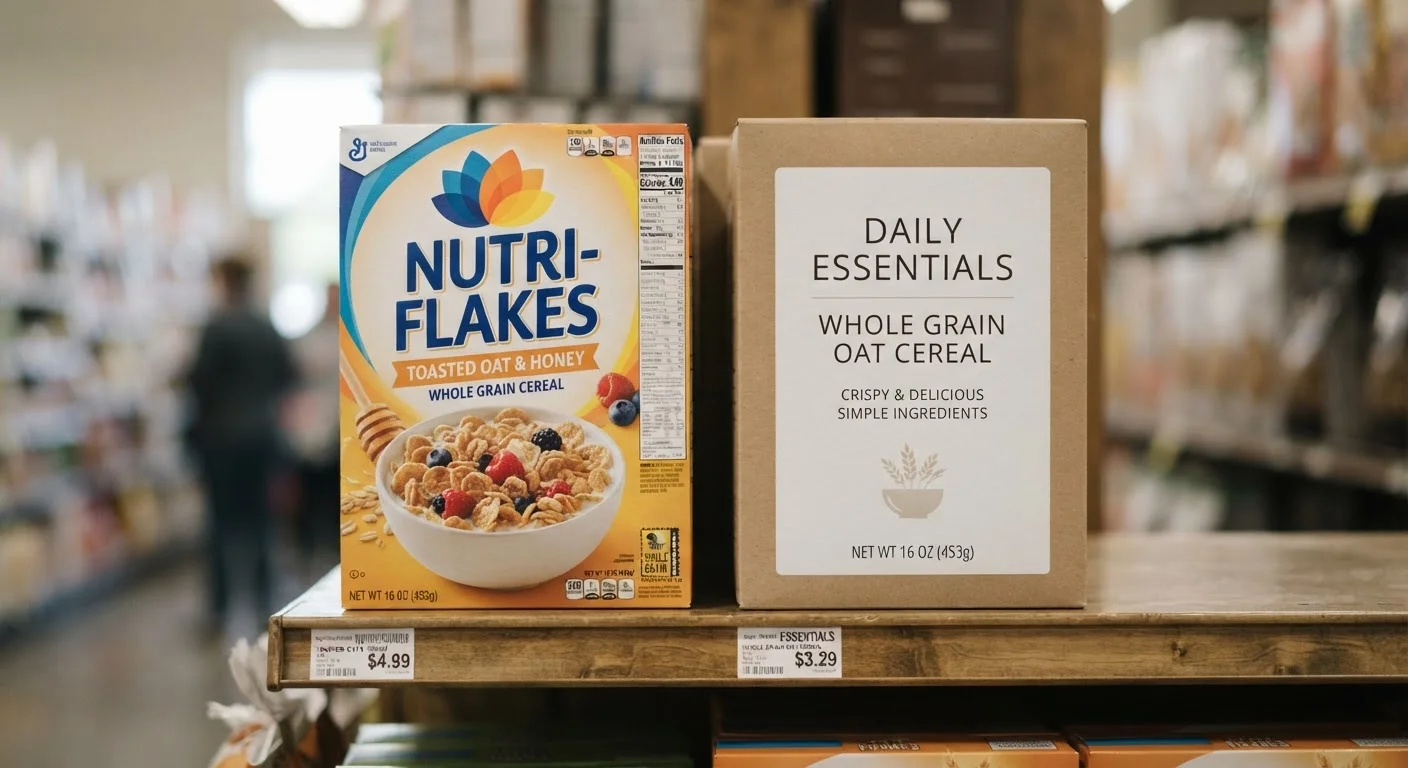
Photo: InfoAlly.net | Finding Info Made Easy editorial
Key Takeaways
- Generic products focus on rock-bottom price; store brands are curated by retailers to balance cost and quality.
- Store brands are often manufactured by the same producers as national brands, following similar or identical specifications.
- The distinction matters most in categories like food, medicine, and personal care where formulation affects outcomes.
- Neither category is universally better - the right choice depends on the specific product and your priorities.
- Retailers invest in store-brand quality to build customer loyalty, which typically means higher consistency than true generics.
Two Terms That Sound Interchangeable - But Aren't
Walk down any grocery aisle and you'll notice at least three tiers of pricing: the national brand, a store-labeled alternative, and sometimes a no-frills, plain-packaged option at the very bottom. Most shoppers lump the latter two together as "generic." That's an understandable shortcut, but it obscures a real and sometimes consequential difference.
Generic products are typically produced to minimum regulatory or contractual standards, with little investment in formulation refinement, consistency testing, or brand-building. They exist to hit a price point. Store-brand products - also called private-label - are developed, specified, and sold under a retailer's own brand name. The retailer controls the quality benchmarks and has a direct reputational stake in the outcome.
Understanding this distinction won't just satisfy your curiosity. It can meaningfully change how you shop. For a deeper look at how price and quality interact more broadly, see our guide on price versus value.
| Criterion | Generic Products | Store-Brand Products |
|---|---|---|
| Price point | Typically lowest available | Below national brand; above true generic |
| Who controls quality standards | Manufacturer (minimal specs) | Retailer (specified by the store) |
| Consistency batch to batch | Variable; limited testing | Generally higher; retailer-monitored |
| Branding and packaging | Minimal or plain | Retailer's own branded label |
| Reputational accountability | Low - no brand equity at stake | High - retailer's name is on it |
| Common in OTC medication | Less common; varies by retailer | Widely available; regulated equivalence |
| Manufacturing origin | Often separate, lower-spec facilities | Often same facilities as national brands |
Where the Difference Actually Shows Up
The practical gap between generic and store-brand varies widely by product category. In some areas - plain commodities like white vinegar, baking soda, or table salt - there's virtually no meaningful difference between any tier. The molecule is the molecule.
But in other categories, the gap narrows or widens significantly:
- Food: Store brands often specify ingredient ratios, texture standards, and flavor profiles that generic suppliers don't bother with. If you've ever noticed one "plain" canned tomato tasting flat while another tastes bright, formulation is usually why. For context on ingredient quality, this breakdown of whole versus processed foods is a useful companion read.
- Over-the-counter medicine: Both store-brand and generic OTC drugs must contain the same active ingredients at the same dosages as their national-brand equivalents - that's a regulatory requirement in the US. The difference often comes down to inactive ingredients like fillers or coatings, which can occasionally matter for tolerability.
- Personal care: Shampoos, lotions, and similar products have wide formulation latitude. Store brands typically invest in consumer testing; true generics often don't.
- Household cleaners: Efficacy standards vary, and some generics meet them easily. Others cut concentrations to reduce cost without clearly disclosing it on the label.
~19%
Average price discount of store brands vs. national brands
The Private Label Manufacturers Association has historically reported store-brand savings averaging around 20% compared to equivalent national-brand products, though this varies by category and retailer.
1 in 5
Grocery items sold are private-label in the US
Private-label market share in US grocery retail has grown steadily over the past decade, reflecting rising consumer confidence in store-brand quality.
For a category-by-category guide on what "quality" even means in different product types, this breakdown is worth a read.
The Manufacturing Overlap You Should Know About
One of the most useful pieces of context in this conversation: a significant portion of store-brand products are manufactured in the same facilities as national brands - sometimes on the same production line. Retailers commission manufacturers to produce to their specifications, which often closely mirror or exceed national-brand standards.
This is less commonly true of true generics, which are more likely to be produced in separate, lower-specification facilities or imported from suppliers with minimal quality oversight requirements.
This doesn't mean store brands are always equivalent to national brands - there are genuine formulation differences in some categories - but it does explain why many shoppers find store-brand quality indistinguishable from their previous national-brand preference.
OTC Drugs: A Regulated Special Case
Thinking carefully about when brand identity matters and when it doesn't is part of the broader needs-versus-wants framework that shapes smart everyday spending.
The content on this site is for informational purposes only and is not a substitute for professional advice. Always consult a qualified professional for guidance specific to your situation.