
Reactive Spending vs. Purposeful Spending: Understanding the Difference

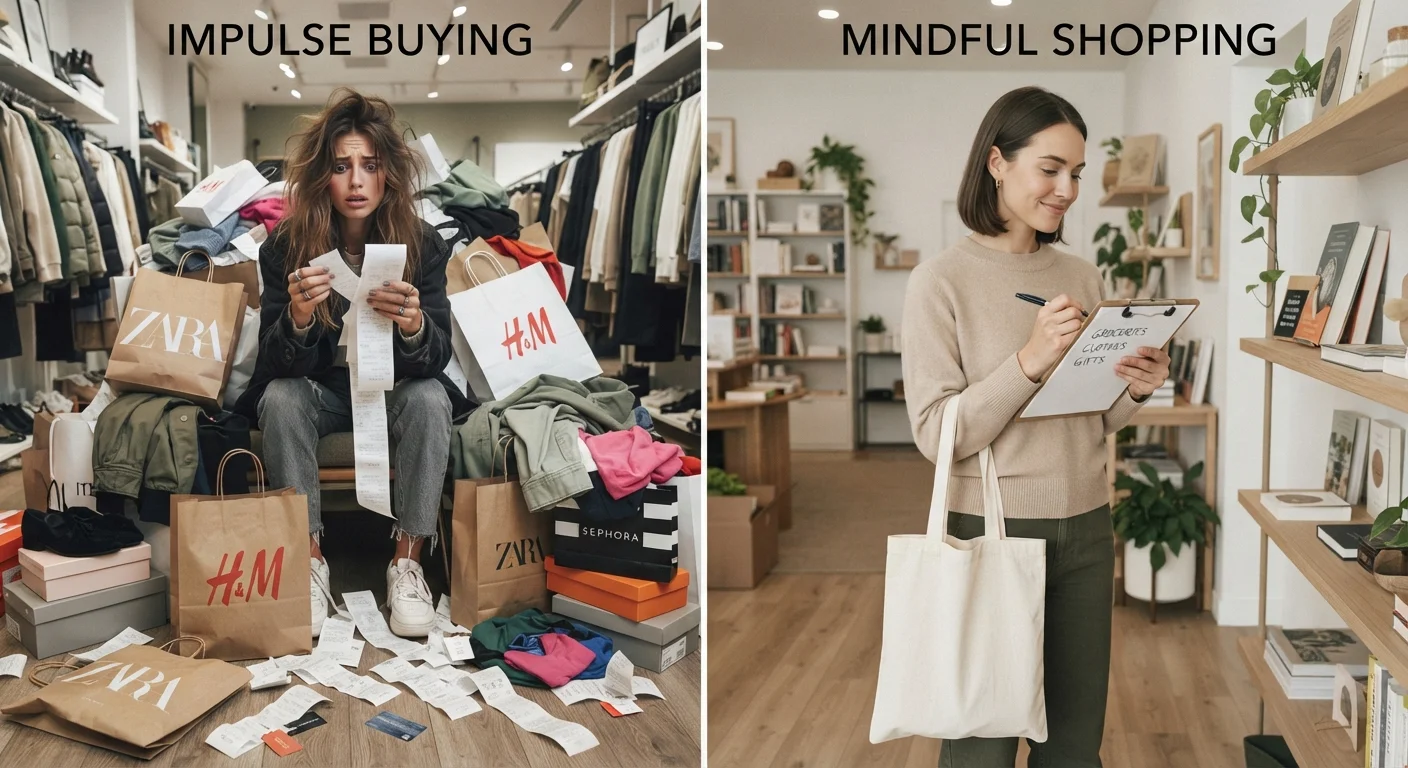
Photo: InfoAlly.net | Finding Info Made Easy editorial
Key Takeaways
- Reactive spending is triggered by emotions or external cues, not deliberate choice.
- Purposeful spending aligns purchases with personal values and defined priorities.
- Both patterns show up in everyday decisions - recognizing the difference is the first step.
- Small structural changes in routine can shift spending from reactive to purposeful over time.
- Neither pattern is permanent; spending habits can be observed and adjusted with practice.
What Sets These Two Spending Modes Apart
Reactive spending and purposeful spending aren't about how much you spend - they're about why you spend. Reactive spending is unplanned and often triggered by an emotional state, a sale notification, social pressure, or simple boredom. The purchase happens before deliberate consideration takes place. Purposeful spending, by contrast, starts with a question: does this align with what I actually need or value right now?
Most people operate in both modes depending on the context. A grocery run can be purposeful; a late-night online cart can be reactive. The distinction matters because the pattern - not any single purchase - shapes financial outcomes over time. Understanding spending patterns that quietly undermine long-term goals starts with identifying which mode is driving most of your decisions.
| Criterion | Reactive Spending | Purposeful Spending |
|---|---|---|
| Decision trigger | Emotion, impulse, or external cue | Defined need or deliberate priority |
| Planning involved | Little to none | At least minimal reflection beforehand |
| Typical timing | In the moment, often unscheduled | Considered in advance or at a set time |
| Post-purchase feeling | Often regret or ambivalence | Generally satisfaction or neutrality |
| Values alignment | Inconsistent or unclear | Intentionally connected to priorities |
| Long-term financial impact | Can erode savings and goals quietly | Tends to support financial goals over time |
How Reactive Spending Shows Up in Daily Life
Reactive spending rarely announces itself. It surfaces as a flash sale that feels urgent, a stress-relief purchase after a hard day, or a product added to the cart because it appeared in a social media feed. These purchases aren't necessarily large - in fact, their small size is part of what makes the pattern easy to overlook.
Emotional states are major drivers. Emotional states quietly steer spending decisions in ways most people don't consciously register. Stress, excitement, and loneliness each create conditions where spending feels like a fast solution. The relief is often real but temporary, which means the underlying trigger remains intact - and so does the spending pattern.
~33%
Purchases made on impulse
Research from consumer behavior studies consistently estimates that roughly a third of retail purchases are unplanned, often triggered by in-store or in-app prompts.
48 hrs
Common waiting period recommendation
Personal finance educators frequently suggest a 24-48 hour pause for non-essential purchases as a practical way to interrupt reactive decision-making.
Environmental design also plays a role. Retail environments - physical and digital - are structured to reduce friction and shorten the time between impulse and purchase. One-click checkout, countdown timers, and personalized recommendations all compress the decision window, favoring reactive behavior.
The Structure of Purposeful Spending
Purposeful spending isn't about being rigid or joyless with money. It means that before committing to a purchase, you've considered - even briefly - whether it fits your priorities. That consideration can be as quick as a mental check or as structured as a written list, depending on the purchase size.
Key habits that support this mode include defining priorities in advance, introducing a waiting period for non-essential items, and reviewing spending periodically to see whether patterns reflect your stated values. These aren't complicated tactics - they're friction you deliberately add to interrupt automatic behavior. For a deeper look at building this into everyday routines, see habits that keep everyday spending aligned with what you actually value.
Purposeful spending also applies to larger decisions. When evaluating a high-cost item, having a clear framework matters significantly. The Smarter Big Purchases hub covers considerations that help make those decisions more confidently and with less second-guessing afterward.
Purposeful Doesn't Mean Restrictive
Building Awareness Without Judgment
Shifting toward more purposeful spending starts with observation, not criticism. Tracking purchases for a few weeks - without trying to change anything immediately - can reveal patterns that weren't visible before. When do reactive purchases tend to happen? What emotional state precedes them? What categories are most affected?
This kind of reflection connects directly to the broader concept of mindful consumption and how spending habits intersect with personal values. Purposeful spending is essentially applied self-awareness - recognizing what you value and making sure your money follows from those values rather than from momentary conditions.
For readers working within a household budget, budgeting basics offer a practical framework for tracking spending categories and identifying where reactive patterns are most costly. The goal isn't perfection - it's a gradually clearer picture of where your money actually goes versus where you'd like it to go.
This article is for general informational purposes only and does not constitute financial advice. For guidance tailored to your personal financial situation, consider consulting a qualified financial professional.
The content on this site is for informational purposes only and is not a substitute for professional advice. Always consult a qualified professional for guidance specific to your situation.