
Impulse Buying Traps That Show Up in High-Ticket Retail

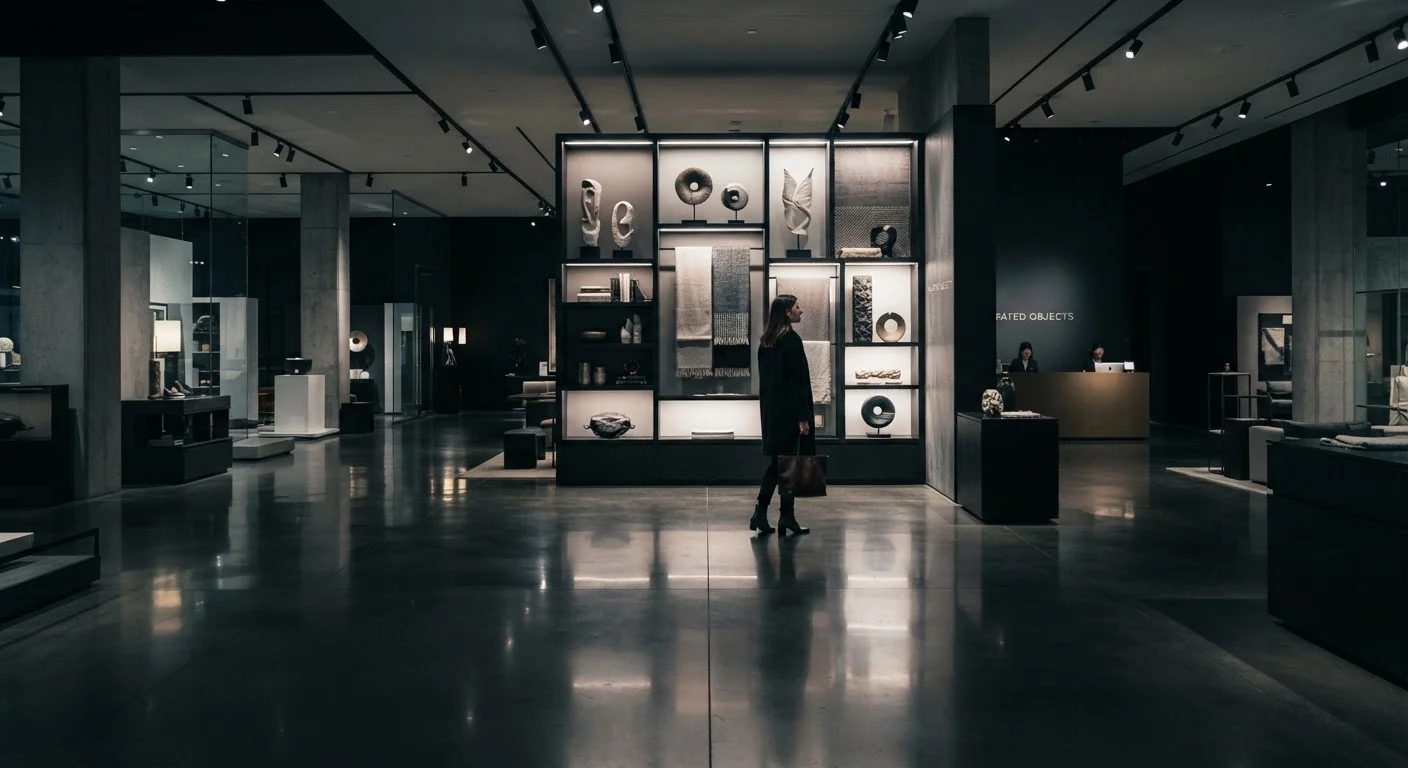
Photo: InfoAlly.net | Finding Info Made Easy editorial
Key Takeaways
- High-ticket retailers use specific environmental and conversational tactics to compress your decision timeline.
- Recognising these pressure patterns in the moment is the first practical defense against regrettable purchases.
- A structured pause - even 24 hours - measurably reduces impulse spending on major items.
- Arriving with a written budget and a list of required features shifts the power dynamic in your favor.
Why Big-Purchase Environments Are Different
Buying a sofa, a car, or a high-end appliance is not the same mental exercise as picking up a bottle of shampoo. The stakes are higher, the sales environments are more sophisticated, and the psychological pressure is deliberately calibrated to work against deliberate thinking. Retail spaces are engineered to nudge unplanned decisions - and in high-ticket contexts, those nudges carry much larger financial consequences.
The good news: awareness is a practical tool. When you can name the tactic being used on you, its effectiveness drops significantly. The mistakes below are the most common ones shoppers make inside major-purchase environments - and each one has a straightforward counter.
Treating urgency cues as factual information.
Anchoring your budget to the first price you see.
Agreeing to financing terms before understanding the total cost.
Letting the in-store experience substitute for independent research.
Accepting add-ons and upgrades in the closing phase of a negotiation.
What the Research Says About High-Stakes Impulse Spending
Impulse buying is not a character flaw - it's a predictable response to specific stimuli. Cognitive and emotional triggers drive unplanned purchases across all price points, but in high-ticket environments, the consequences compound. A clothing impulse costs $40; an appliance impulse can cost $1,400.
~40%
Of purchases reported as unplanned
Consumer behavior research consistently finds that a significant share of retail purchases - across categories - are made without prior intent, with the proportion rising in experiential shopping environments.
24-48 hrs
Typical regret window for major purchases
Behavioral finance literature suggests most post-purchase regret on high-ticket items surfaces within the first two days, underscoring the value of a mandatory pause before committing.
Understanding your own patterns before you walk into a showroom gives you a structural advantage. Delaying a decision is a learnable habit, not simply a matter of willpower. Shoppers who set a mandatory review window - even overnight - report higher satisfaction with major purchases and fewer instances of post-purchase regret.
Before any significant purchase, running through a short checklist can help separate genuine need from in-the-moment momentum. See a quick pre-purchase checklist for a set of focused questions worth asking yourself first.
Building a Defense That Travels With You
Tactics and checklists matter in the moment, but durable protection against high-ticket impulse spending comes from habits built before you enter the store. Intentional spending habits - routines that connect purchases to your actual priorities - make the pressure tactics above far less effective because you arrive with clear criteria rather than vague intent.
Financing Offers Can Obscure True Cost
Timing also plays a role. Seasonal patterns and model cycles can influence pricing, though the research suggests their impact is often overstated relative to the value of simply knowing what you want before you start. Combine timing awareness with consistent spending habits aligned with your values, and you have a framework that works across every high-ticket category.
This article is for general informational and educational purposes only. It does not constitute financial advice. Readers should consider their own financial circumstances and consult a qualified professional for decisions specific to their situation.
The content on this site is for informational purposes only and is not a substitute for professional advice. Always consult a qualified professional for guidance specific to your situation.