
How Retail Environments Are Designed to Bypass Your Intentions

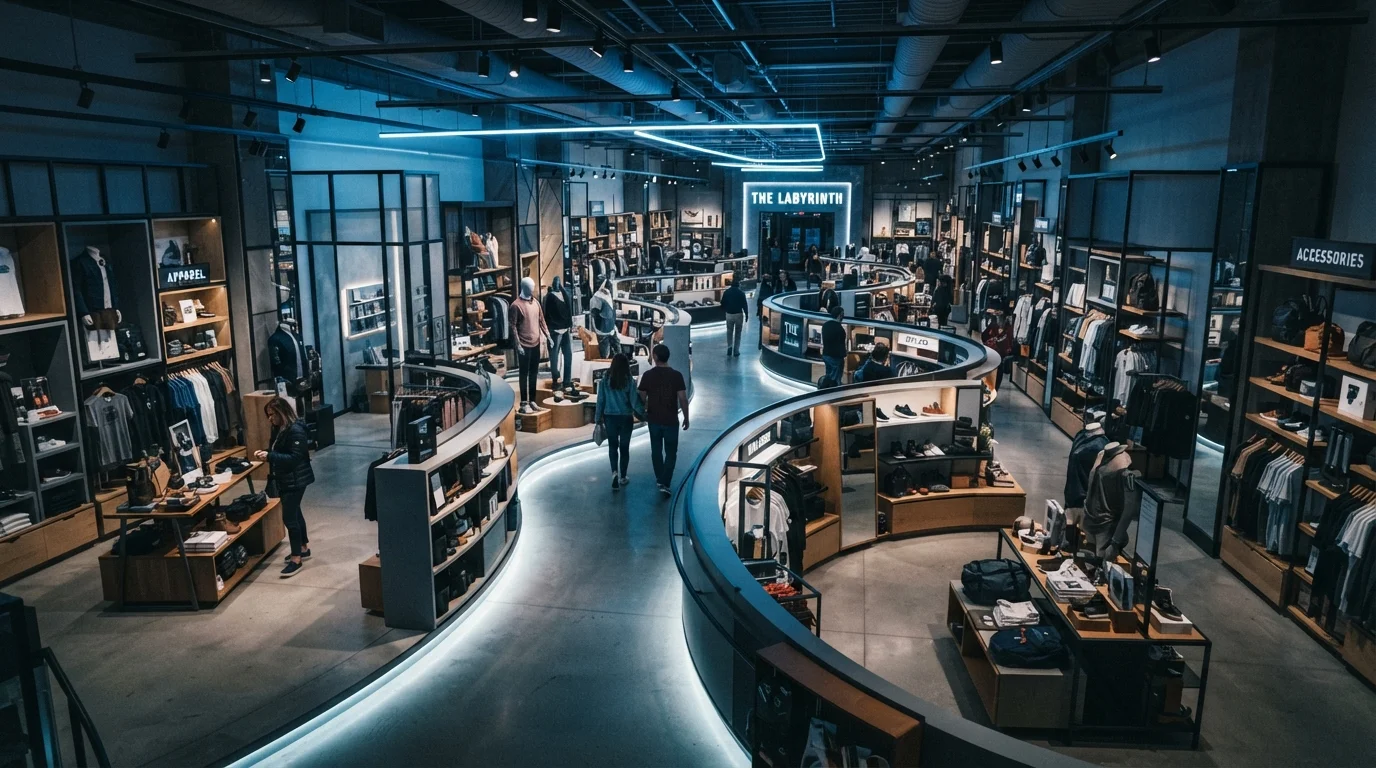
Photo: InfoAlly.net | Finding Info Made Easy editorial
The Store Is Not a Neutral Space
Walking into a retail environment - whether physical or digital - can feel like a casual errand. In reality, you're entering a carefully engineered system designed to maximize the number of decisions you make in favor of the store. Understanding how these systems work is the first step toward shopping with greater purpose.
| Primary physical tactic | Forced-path store layouts that maximize product exposure |
| Checkout zone purpose | Targets decision fatigue with low-cost impulse items |
| Online equivalent term | Dark patterns - interface designs that prioritize retailer outcomes (Consumer advocacy and UX research literature) |
| Key sensory lever | Ambient music tempo influences browsing time (Published retail environment research) |
| Most effective consumer countermeasure | Pre-committed shopping list used as a constraint |
| Applies to | Both physical stores and e-commerce platforms |
Retail design draws on behavioral science, sensory psychology, and data analytics. The goal isn't simply to display products - it's to shape your attention, lower your resistance, and make unplanned purchases feel natural. This applies equally to brick-and-mortar stores and e-commerce platforms, which have developed their own digital equivalents of the same tactics.
If you've ever wondered why certain spending patterns quietly erode financial goals, retail design is often a contributing factor worth examining.
Physical Store Tactics Worth Recognizing
Brick-and-mortar retailers use a consistent set of layout and sensory strategies that researchers have studied extensively:
- Decompression zones: The area just inside the entrance slows you down and shifts your mental state from task-focused to exploratory - making you more receptive to impulse items.
- Forced-path layouts: Stores like warehouse clubs route you through the entire floor before reaching essentials, maximizing exposure to non-planned categories.
- Eye-level product placement: Higher-margin items are positioned at eye level; budget alternatives sit on lower shelves.
- Ambient music and scent: Slower tempo music correlates with longer dwell times. Pleasant ambient scent has been shown in published retail research to increase time spent browsing.
- Strategic lighting: Warmer lighting in clothing and food sections creates a more favorable emotional response to products.
- Checkout zones: Small, low-cost impulse items cluster near payment points, where decision fatigue from a shopping trip is highest.
These aren't coincidences - they're documented design choices. Being aware of them doesn't eliminate their effect, but it creates a useful pause before you act.
Digital Dark Patterns: The Online Equivalent
E-commerce platforms have their own toolkit, often called dark patterns - interface design choices that nudge users toward actions that benefit the retailer rather than the shopper. Common examples include:
Dark pattern
A user interface design choice that manipulates users into actions they may not have intended, typically benefiting the business at the user's expense. The term was coined by UX designer Harry Brignull and is now used in consumer protection contexts.
Decompression zone
The transitional area just inside a store entrance where shoppers slow down and shift from an errand mindset to a browsing mindset. Retailers typically avoid placing key merchandise here because attention is still adjusting.
Anchor pricing
A pricing display strategy in which a higher reference price (often crossed out) is shown next to the selling price to make the current price appear more favorable. The 'anchor' shapes perception of value regardless of whether the reference price was ever widely available.
Decision fatigue
The declining quality of decisions made after a long session of choices. In retail, it explains why checkout-adjacent impulse items are effective - shoppers have already depleted cognitive resources making earlier decisions.
Artificial scarcity
Messaging that implies limited availability of a product to create urgency, regardless of actual stock levels. Common in both physical retail and e-commerce, it compresses the shopper's decision window.
- Artificial scarcity messaging: "Only 3 left!" notices that may not reflect actual inventory levels.
- Pre-ticked add-ons: Insurance, accessories, or subscriptions added to your cart by default, requiring active effort to remove.
- Anchor pricing: A crossed-out "original" price next to a sale price that frames the current price as a discount, regardless of the item's actual price history.
- Infinite scroll and autoplay: Removing natural stopping points keeps you browsing longer than intended.
- Urgency countdown timers: Ticking clocks on offers that activate time pressure and compress your decision window.
For high-value purchases especially, these tactics can be particularly effective at accelerating decisions. The article on impulse buying traps in high-ticket retail examines how pressure tactics operate in bigger spending contexts.
Practical Countermeasures
Knowing the tactics is useful; having a practice that counters them is more useful. A few approaches that behavioral researchers and consumer advocates consistently recommend:
- Enter with a list - and treat it as a constraint, not a suggestion. A pre-committed list narrows your attention and reduces susceptibility to environmental nudges.
- Use a waiting period for non-list items. Adding an item to a wishlist or cart and returning after 24-48 hours removes urgency cues and lets you evaluate the purchase on its own merits. Delayed gratification is a learnable habit with real effects on spending satisfaction.
- Shop with a budget ceiling per trip. A fixed ceiling creates a decision filter: if buying this unplanned item means skipping something on the list, the trade-off becomes concrete.
- Recognize the emotion, not just the item. Ask whether the purchase impulse is driven by the product's actual utility or by a design-induced feeling. Understanding impulse buying triggers makes this self-check easier to perform in the moment.
Building these into consistent routines - rather than relying on willpower in the moment - is what moves shopping behavior from reactive to intentional. See habits that keep everyday spending aligned with your actual values for a fuller framework.
The content on this site is for informational purposes only and is not a substitute for professional advice. Always consult a qualified professional for guidance specific to your situation.