
Long-Term Ownership vs. Short-Term Satisfaction: A Framework for Durability

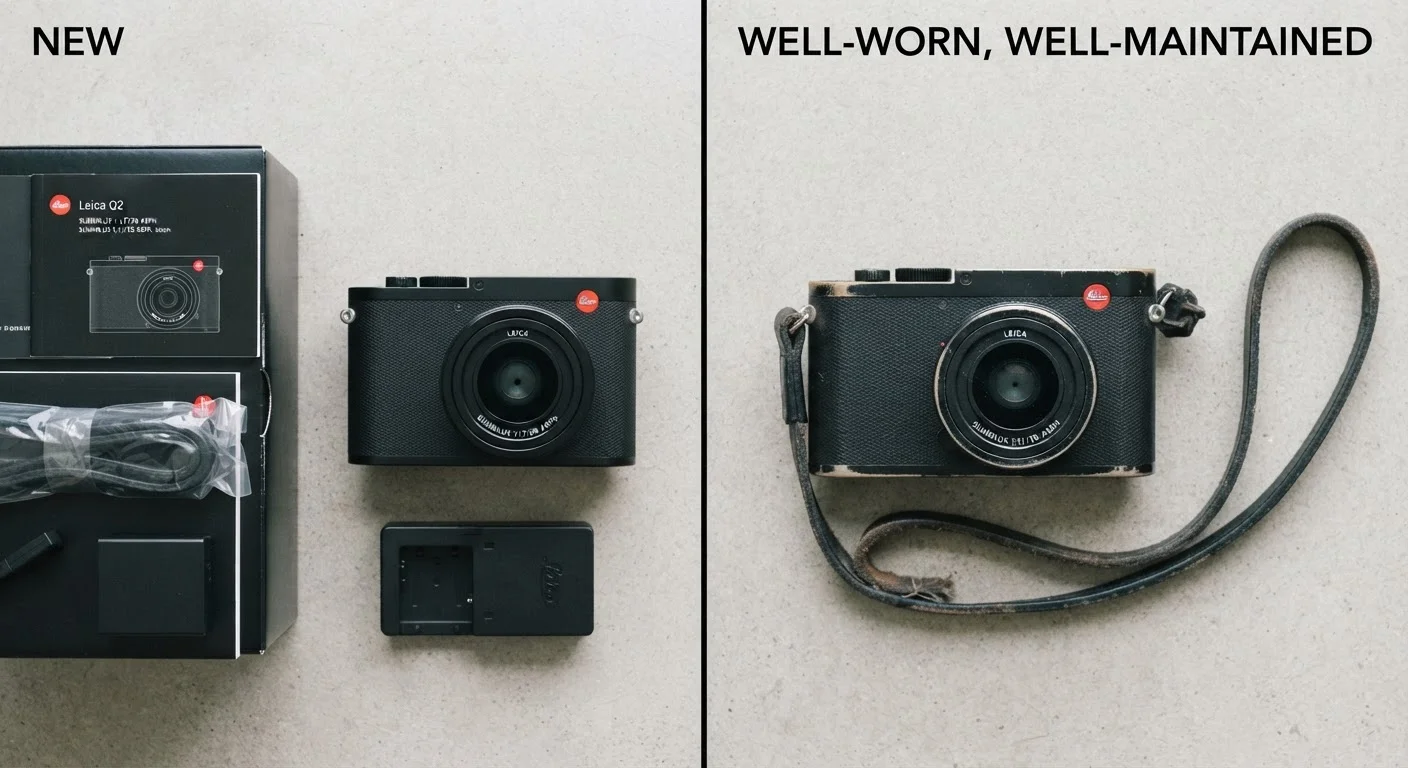
Photo: InfoAlly.net | Finding Info Made Easy editorial
Key Takeaways
- Short-term satisfaction and long-term value are often in tension - recognizing that gap is the first step.
- Total cost of ownership includes maintenance, replacement frequency, and opportunity cost, not just sticker price.
- Durable purchases typically require more upfront research but deliver lower cost-per-use over time.
- Emotional excitement at point of purchase can cloud objective judgment about long-term fit.
- A simple pre-purchase framework can shift your default from impulse to intentional.
Why the Feeling of Buying Isn't the Same as the Reality of Owning
The moment you purchase something new carries a distinct emotional charge - anticipation, relief, excitement. That feeling is real, but it rarely reflects what daily ownership will actually look like six months later. Research in behavioral economics consistently shows that people overestimate how much enjoyment a new purchase will deliver over time, a phenomenon sometimes called the hedonic adaptation treadmill: we return to a baseline level of satisfaction faster than we expect.
This isn't a character flaw. It's a predictable cognitive pattern. The problem arises when purchasing decisions are built entirely on that initial emotional spike rather than a sober look at long-term fit. Understanding the difference between price and value is a useful starting point - but even value-conscious shoppers can fall into the short-term trap if they don't have a framework for evaluating durability.
Short-Term vs. Long-Term: A Practical Comparison
These two orientations aren't equally suited to every purchase. The table below breaks down how each approach performs across the criteria that matter most to everyday consumers.
| Short-Term Satisfaction | Long-Term Ownership | |
|---|---|---|
| Upfront cost | Often lower | Often higher |
| Cost-per-use over time | Higher (frequent replacement) | Lower (extended lifespan) |
| Emotional payoff at purchase | High | Moderate - more deliberate |
| Maintenance demands | Low (disposable mindset) | Moderate (upkeep expected) |
| Suitability for trend-driven items | Well suited | Often overkill |
| Suitability for major purchases | Risky - regret common | Well suited |
| Environmental footprint | Higher (more waste cycles) | Lower (fewer replacements) |
Notice that neither column wins across the board. The goal isn't to always choose durability - it's to know when each approach is appropriate. A fast-fashion top bought for one season is a different calculation than a sofa expected to last a decade.
The Framework: Four Questions Before You Commit
Rather than relying on gut feel, run any major purchase through these four questions before buying:
- What is the realistic use horizon? How long do you actually expect to use this item - not how long it could theoretically last? Be honest. Overestimating use horizon inflates perceived value.
- What does total cost of ownership look like? Factor in maintenance, consumables, repair likelihood, and replacement frequency - not just the purchase price. A lower sticker price paired with high upkeep can exceed the cost of a pricier but low-maintenance alternative.
- How will your needs change? A product that fits your life today may not fit it in two years. Life changes - housing, family size, work arrangements - affect what you actually need from an item.
- Is the excitement purchase-specific or ownership-specific? Ask yourself: am I excited about having this, or about using it regularly? If you can't picture the routine, the excitement may be tied to buying rather than owning.
Give Yourself a Waiting Window
For categories where durability signals are less obvious - clothing is a good example - look for construction details rather than brand names. Durability signals in clothing like seam reinforcement and fabric weight are better predictors of lifespan than price alone.
Applying the Framework to Real Categories
Vehicles: Few purchases better illustrate the long-term ownership gap than a car. The excitement of a new vehicle fades quickly; what remains is insurance, fuel, maintenance, and depreciation. The complete picture of car ownership spans far beyond the dealership - understanding that full arc before you buy changes how you evaluate options.
Appliances and Electronics: These categories carry wide variance in reliability. Prioritizing repairability - whether replacement parts are available, whether a repair network exists - extends ownership viability and reduces lifecycle cost.
Everyday Items: For lower-stakes purchases, short-term satisfaction is a perfectly valid goal. Explore the Everyday Value Finds category for guidance on getting the most from daily spending without over-engineering every decision.
The habit of pausing before purchasing - sometimes called delayed gratification - isn't about deprivation. It's about creating the space to ask better questions. And once you've built the habit, keeping intentional spending sustainable over time becomes the next challenge worth addressing.
This article is for general informational and educational purposes only. It does not constitute financial, legal, or professional purchasing advice. Readers should assess their own circumstances before making major financial decisions.
The content on this site is for informational purposes only and is not a substitute for professional advice. Always consult a qualified professional for guidance specific to your situation.