
Chemical Exfoliation vs. Physical Exfoliation: Knowing Which Suits Your Skin

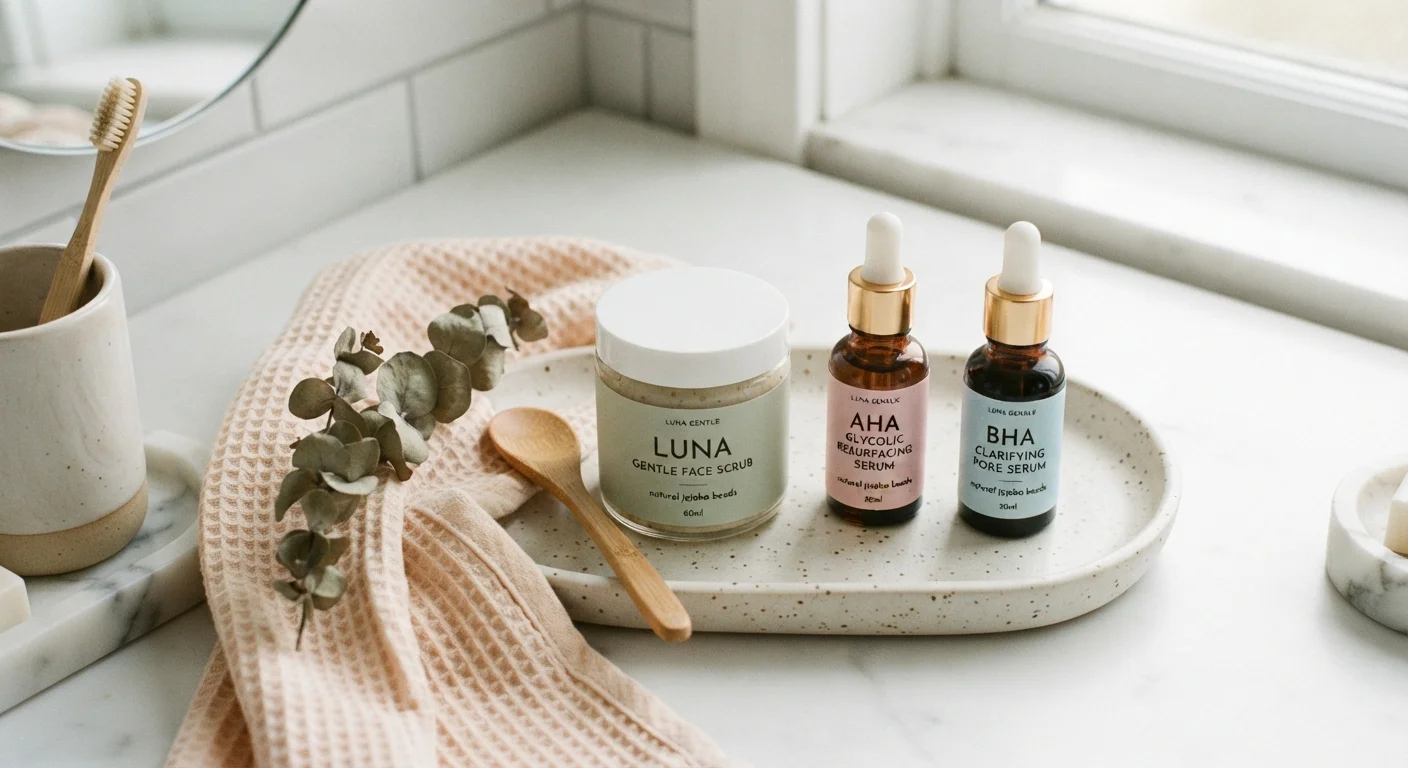
Photo: InfoAlly.net | Finding Info Made Easy editorial
Key Takeaways
- Chemical exfoliants use acids or enzymes to dissolve dead skin cells without scrubbing.
- Physical exfoliants use manual friction - like scrubs or tools - to buff away surface buildup.
- Skin type matters most: sensitive and acne-prone skin generally responds better to chemical methods.
- Over-exfoliation is a real risk with both methods and can damage the skin barrier.
- Many routines benefit from one method, used consistently, rather than mixing both aggressively.
- Always follow exfoliation with SPF during the day, as freshly exfoliated skin is more UV-sensitive.
How Each Method Actually Works
Understanding the mechanism behind each approach makes it much easier to choose - and use - the right one.
Chemical exfoliation relies on active compounds - most commonly alpha hydroxy acids (AHAs) like glycolic or lactic acid, beta hydroxy acids (BHAs) like salicylic acid, or enzymes derived from fruits like papaya or pineapple. These ingredients weaken the bonds between dead skin cells, allowing them to shed more efficiently without any rubbing. The result is more uniform cell turnover across the skin surface.
Physical exfoliation works through direct friction. Whether you're using a granular scrub, a cleansing brush, or a textured cloth, the action manually dislodges and removes dead cells sitting on the outer layer. The results are immediate - skin feels smoother right away - but the effect is more surface-level compared to chemical methods.
| Criterion | Chemical Exfoliation | Physical Exfoliation |
|---|---|---|
| Mechanism | Dissolves bonds between dead skin cells | Manual friction removes surface cells |
| Key ingredients/tools | AHAs, BHAs, fruit enzymes | Scrubs, brushes, exfoliating cloths |
| Results timeline | Gradual improvement over days/weeks | Immediate smoothness after use |
| Best skin types | Sensitive, acne-prone, uneven tone | Normal to oily, resilient skin |
| Barrier disruption risk | Low to moderate (concentration-dependent) | Moderate to high (pressure-dependent) |
| Pore penetration | Yes - BHAs penetrate oil-filled pores | No - surface-level only |
| Typical frequency | 1-3 times per week | 1-2 times per week |
For deeper context on how exfoliating acids interact with other actives in your routine, see our guide to layering skincare ingredients.
Matching the Method to Your Skin Type
No single exfoliation style works for everyone, and skin type is the clearest guide to which direction to go.
Sensitive Skin
Physical scrubs carry a higher risk of micro-tears and irritation on sensitive skin, especially when used too vigorously. Low-concentration AHAs - around 5-8% lactic acid - or enzyme exfoliants are generally considered gentler entry points. Start with once-a-week use and adjust based on how your skin responds.
Oily or Combination Skin
Both methods can work here, but BHAs stand out for oily or acne-prone skin because salicylic acid is oil-soluble and can travel inside the pore lining to clear congestion at the source. Physical exfoliation can complement an oily routine as long as it's used with light pressure and not overdone.
Dry or Mature Skin
Dry skin benefits most from gentle chemical exfoliation - lactic acid, in particular, has a larger molecule size that doesn't penetrate as deeply, making it well-suited to drier or more mature complexions. Avoid coarse physical scrubs, which can exacerbate dryness or disrupt a already-compromised skin barrier.
A Note on Barrier Health
Your skin's behavior also shifts with the seasons - lighter exfoliation is often wise in winter when the barrier is under more stress. Our article on seasonal skincare adjustments walks through those routine tweaks in detail.
Common Mistakes and How to Avoid Them
Exfoliation is genuinely useful - but it's one of the most commonly overdone steps in a skincare routine. Here's where people tend to go wrong:
- Over-exfoliating: Using either method more than two to three times per week - or layering both in the same routine - can strip the skin barrier, causing increased sensitivity, redness, and breakouts. More exfoliation is rarely better.
- Skipping SPF: Freshly exfoliated skin is more vulnerable to UV damage. Applying a broad-spectrum sunscreen every morning is essential, not optional, when you're exfoliating regularly.
- Ignoring product concentration: Higher-acid-percentage products are not automatically better. Starting low and working up is safer and more sustainable for most skin types.
- Combining actives carelessly: Pairing chemical exfoliants with other strong actives like retinol or vitamin C on the same night can tip skin into irritation territory. Alternating nights is a common strategy to manage this.
This article is for informational purposes only and is not a substitute for advice from a licensed dermatologist or skincare professional. Individual results vary, and anyone with a skin condition or concern should consult a qualified healthcare provider.
The content on this site is for informational purposes only and is not a substitute for professional advice. Always consult a qualified professional for guidance specific to your situation.