
Skincare Myths That Dermatologists Keep Correcting

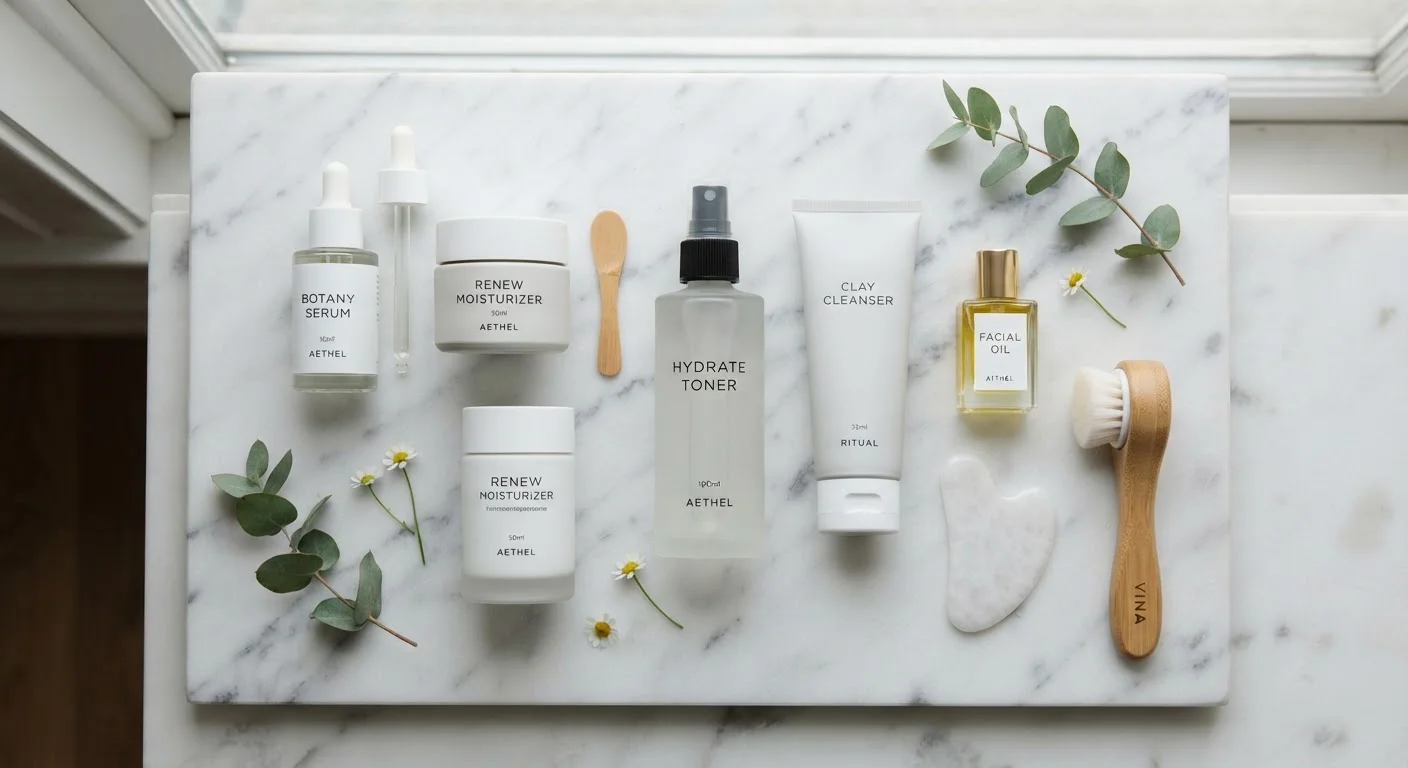
Photo: InfoAlly.net | Finding Info Made Easy editorial
Key Takeaways
- Pores cannot physically open or close - temperature affects circulation, not pore size.
- Natural ingredients can still irritate or sensitize skin; 'natural' does not mean universally gentle.
- Oily skin still needs moisturizer - skipping it can trigger more oil production.
- SPF is necessary daily, not just when the sun feels strong outside.
- More product steps do not automatically mean better skin results.
Why Skincare Myths Are So Hard to Shake
Skincare advice travels fast - across social feeds, comment sections, and word of mouth - often outpacing the science behind it. Some myths persist because they contain a kernel of truth twisted slightly out of context. Others stick around because they're satisfying to believe: the idea that a simple steam treatment "opens" pores feels intuitive, even if biology says otherwise.
The good news? Sorting fact from fiction doesn't require a dermatology degree. It mainly requires knowing which questions to ask - and being willing to let go of habits that feel productive but aren't doing much. The myth-and-fact pairs below address the misconceptions dermatologists say they correct most often in practice.
Myth
Steam opens your pores, and cold water closes them.
Fact
Pores are openings in the skin - they have no muscles and cannot open or close.
This is one of the most persistent myths in skincare. Pores are simply openings for hair follicles and sebaceous glands; they lack the muscle tissue required to dilate or contract. What steam actually does is soften the debris and sebum inside pores, making it slightly easier to cleanse. Cold water may temporarily reduce redness by constricting blood vessels near the skin's surface, but it has no structural effect on pore size. Consistent cleansing and certain chemical exfoliants are the evidence-backed routes to keeping pores looking minimized over time.
Myth
Natural or organic ingredients are always safer and gentler for skin.
Fact
Many natural ingredients are among the most common causes of skin irritation and allergic reactions.
Essential oils, botanical extracts, and plant-based acids are popular in formulations marketed as "clean," yet dermatologists frequently flag them as sensitizing agents. Lemon juice, for instance, can disrupt the skin barrier and increase photosensitivity. Fragrant plant oils are a leading cause of contact dermatitis. Whether an ingredient is synthetic or plant-derived says nothing definitive about its safety profile - what matters is its concentration, your skin's individual tolerance, and how a formula is pH-balanced. Patch testing new products, natural or not, remains good practice.
Myth
If your skin is oily, you should skip moisturizer.
Fact
Oily skin still needs hydration - dehydrated skin can actually overcompensate by producing more oil.
Oil (sebum) and water (hydration) are two separate things. When skin is stripped of moisture through over-cleansing or skipped moisturizer, it can respond by ramping up sebaceous gland activity, potentially making oiliness worse. Lightweight, non-comedogenic moisturizers - those formulated not to block pores - are well-suited for oilier skin types. Hyaluronic acid-based formulas, gel textures, and water-based options hydrate without adding heaviness. Consistency here can genuinely support a more balanced complexion over time. For more on why products sometimes feel ineffective, see why your moisturizer may seem to stop working.
Myth
You only need sunscreen on sunny days or when going to the beach.
Fact
UVA radiation penetrates clouds and glass, making daily SPF application relevant regardless of weather.
UV radiation is categorized into UVA (aging) and UVB (burning) rays. UVB rays are stronger in direct sunlight, but UVA rays - which are associated with photoaging and skin damage - remain present on overcast days and even pass through standard window glass. Broad-spectrum SPF 30 or higher applied daily is a cornerstone recommendation from dermatology organizations. This applies year-round, including winter months. Incorporating SPF into your morning routine is one of the most durable, evidence-supported habits in skincare.
Myth
The more steps in your routine, the better your results will be.
Fact
A streamlined routine with the right products for your skin type consistently outperforms a lengthy, mismatched one.
The 10-step routine trend sparked genuine enthusiasm for skincare, but stacking too many actives - such as retinoids, acids, and vitamin C - without understanding ingredient interactions can compromise the skin barrier and cause more harm than good. Over-exfoliation, for example, is increasingly recognized by dermatologists as a source of sensitivity and breakouts. A consistent core routine - cleanser, moisturizer, and SPF in the morning - often delivers more visible improvement than an elaborate, layered stack applied inconsistently or incorrectly.
Building a Routine That Actually Works
Once the noise clears, effective skincare becomes surprisingly manageable. Consistency beats complexity every time. A reliable morning routine and a thoughtful evening wind-down - like the habits explored in these nighttime skincare steps worth building - can deliver meaningful results without requiring an encyclopedic product shelf.
Layering Too Many Actives Can Backfire
It's also worth remembering that skin changes across seasons. Humidity, temperature, and UV intensity all shift how your skin behaves and what it needs. Seasonal skincare adjustments are worth revisiting periodically rather than sticking rigidly to a single year-round formula.
If you're ever uncertain about a persistent skin concern - whether it's unusual sensitivity, recurring breakouts, or a reaction you can't pinpoint - consulting a board-certified dermatologist is always the most reliable path forward. This article offers general educational context, not personalized skin advice.
The content on this site is for informational purposes only and is not a substitute for professional advice. Always consult a qualified professional for guidance specific to your situation.