
Nighttime Skincare Habits Worth Building

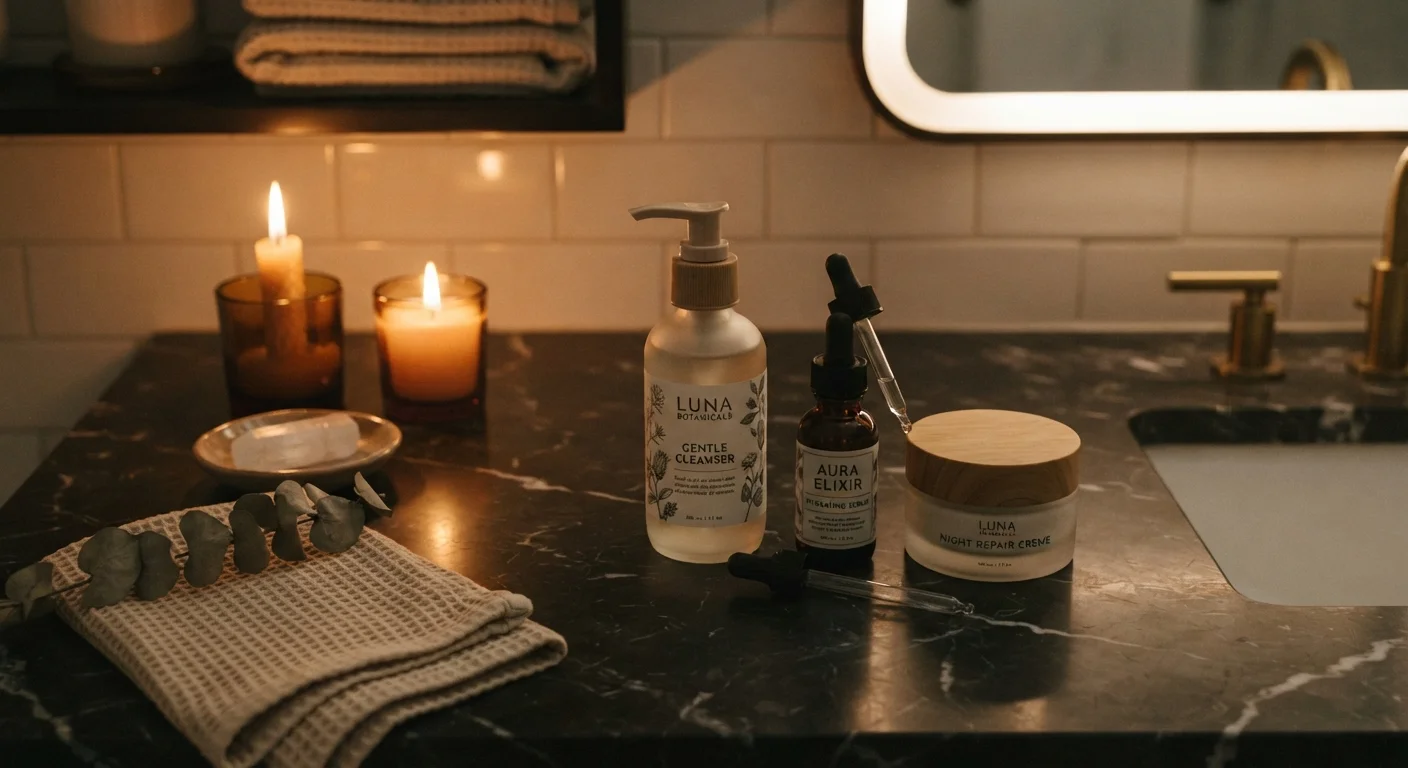
Photo: InfoAlly.net | Finding Info Made Easy editorial
Key Takeaways
- The order you apply skincare products at night affects how well each one absorbs and performs.
- Sleep is when skin repair naturally accelerates, making nighttime the most strategic window for actives.
- A few well-chosen steps done consistently outperform a complex routine applied sporadically.
- Certain active ingredients - like retinoids and exfoliating acids - are best used only at night.
- Skin type and season should guide which products you include and how often you use them.
Why Nighttime Is Prime Time for Your Skin
While you sleep, your body shifts into repair mode. Skin cell turnover speeds up, collagen synthesis increases, and blood flow to the skin rises - all processes that make the evening hours a uniquely productive window for skincare. Daytime routines are largely about protection (think SPF and antioxidants); nighttime routines are about restoration and treatment.
This distinction matters because it shapes which ingredients belong in your evening lineup. Retinoids (vitamin A derivatives), exfoliating acids like glycolic and lactic acid, and richer occlusive moisturizers all shine at night - either because they're photosensitive, because they work best without environmental interference, or because they pair naturally with the skin's own repair cycle. For a deeper look at how daytime protection fits into the bigger picture, see how SPF fits into daily routines.
“The skin's natural repair processes are more active at night, which is why the timing and formulation of evening skincare products can meaningfully influence how well they perform.”
— Dr. Whitney Bowe, Board-certified dermatologist and author on skin health
The Core Practices: Building Your Evening Routine
A solid nighttime routine doesn't require a shelf of products. It requires the right steps in the right order. Think of layering as going from lightest to heaviest - water-based products before oil-based, thinner textures before thicker ones. This simple principle prevents products from blocking each other's absorption.
Always double-cleanse if you wore SPF or makeup during the day
Apply treatments from thinnest to thickest consistency
Introduce retinoids slowly - start with two nights per week
Finish with a moisturizer or occlusive to lock in hydration
Read ingredient lists, not just marketing claims
If you're ever unsure which ingredients work well side-by-side, the ingredient layering reference guide is a helpful resource to bookmark.
Quick Wins You Can Start Tonight
You don't need to overhaul everything at once. Even one or two targeted changes to your evening habits can make a meaningful difference over time - especially when they become consistent. Start here:
Your nighttime skincare routine and your sleep quality are more connected than they might seem. Winding down with a brief routine can signal to your body that it's time to rest - though if you suspect your pre-bed habits are affecting sleep more broadly, evening habits that undermine sleep quality is worth a read.
Common Missteps and How to Avoid Them
Even well-intentioned routines can go sideways. Here are a few patterns worth watching for:
- Skipping cleansing when you're tired: Going to bed with makeup, sunscreen, or daily pollution on your skin can clog pores and interfere with overnight repair. A gentle cleanse is non-negotiable.
- Overloading on actives: Using retinoids, exfoliating acids, and vitamin C all in one evening routine is a common over-enthusiasm mistake. More active ingredients at once doesn't mean faster results - it often means irritation. Learn to separate skincare myth from evidence.
- Ignoring seasonal shifts: Your skin in January behaves differently than in August. If your moisturizer feels less effective lately, seasonal skincare adjustments explains why and what to tweak.
New to Actives? Start With One
This article is for general informational and educational purposes only and is not a substitute for advice from a qualified dermatologist or healthcare professional. If you have a skin condition or are considering adding prescription actives to your routine, consult a dermatologist.
The content on this site is for informational purposes only and is not a substitute for professional advice. Always consult a qualified professional for guidance specific to your situation.