
SPF in Daily Routines: Separating Habit From Hype

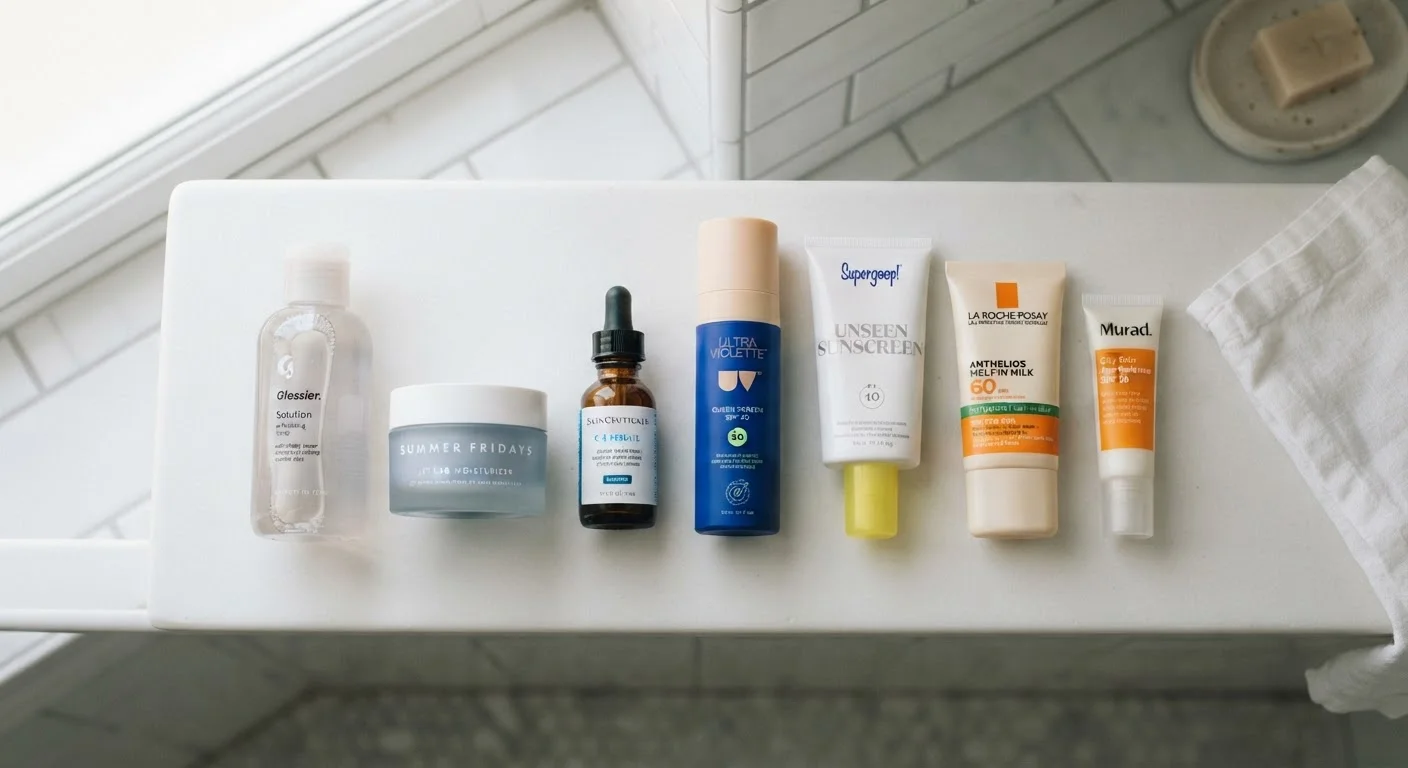
Photo: InfoAlly.net | Finding Info Made Easy editorial
Key Takeaways
- UV exposure causes cumulative skin damage even on cloudy days and indoors near windows.
- SPF 30 blocks roughly 97% of UVB rays; higher numbers offer marginally more protection.
- Most people apply far less sunscreen than tested amounts, significantly reducing effective protection.
- Chemical and mineral sunscreens both work - choosing one is about skin type and preference.
- Daily sunscreen use is linked to measurable reductions in visible signs of premature skin aging.
Why SPF Belongs in Every Morning Routine
Daily sunscreen sits at the intersection of prevention and simplicity - it's one of the most consistently supported habits in dermatology research for maintaining skin health over time. UV radiation is the leading environmental contributor to premature aging, hyperpigmentation, and long-term skin damage, and exposure accumulates across ordinary activities: commuting, sitting by a window, running errands.
This isn't about alarm - it's about building a habit that pays dividends over years. If you're already working through a morning skincare routine, sunscreen is the natural final step before makeup or heading out the door. And because the skin's barrier plays a central role in how well it handles environmental stressors, understanding how the skin barrier works can help you get more out of every layer you apply.
Myth
I don't need SPF on cloudy days because the sun isn't out.
Fact
Up to 80% of UV rays penetrate cloud cover, meaning overcast skies offer little meaningful UV protection.
Clouds block visible light and heat, which is why an overcast day feels cooler - but UVA and UVB radiation pass through clouds with minimal reduction. UVA rays in particular penetrate deeply into the skin and are a primary driver of photoaging and DNA damage. Treating cloudy days as SPF-optional is one of the most common ways daily protection gets quietly abandoned.
Myth
SPF in my foundation or moisturizer is enough for the day.
Fact
Makeup and moisturizers with SPF are rarely applied in sufficient quantities to deliver the labeled protection factor.
The SPF rating on any product is based on a specific application amount - typically 2 mg per square centimeter of skin. In practice, people apply moisturizers and foundations in much thinner layers, which can reduce effective protection substantially. A dedicated sunscreen step, applied generously before other products, is the more reliable approach. Think of SPF in makeup as a small bonus, not a standalone strategy.
Myth
People with deeper skin tones don't need daily sunscreen.
Fact
Melanin provides some natural protection, but it does not eliminate UV damage or reduce skin cancer risk to zero for any skin tone.
Higher melanin content does offer a degree of natural UV filtering, but it does not prevent photoaging, hyperpigmentation, or DNA damage in deeper skin tones. In fact, post-inflammatory hyperpigmentation - uneven darkening that follows sun exposure or skin inflammation - is frequently more pronounced and persistent in deeper complexions. Daily SPF supports more even tone over time across all skin types. See also how barrier health connects to pigmentation for additional context.
Myth
A higher SPF number means dramatically better protection.
Fact
The difference in UVB protection between SPF 30 and SPF 50 is real but relatively small - the bigger variable is consistent, adequate application.
SPF 30 filters approximately 97% of UVB rays; SPF 50 filters around 98%. Beyond SPF 50, the incremental gain continues to shrink. Where protection actually breaks down most often is in application behavior: too little product, skipping reapplication after sweating or swimming, and missing areas like the ears, neck, and the back of the hands. Consistency and coverage matter more than chasing the highest number on the label.
Myth
Sunscreen causes breakouts, so acne-prone skin should skip it.
Fact
Many sunscreen formulas are specifically designed to be non-comedogenic and work well for oily or acne-prone skin.
Early generations of sunscreens were often thick and occlusive, and the association with breakouts has lingered. Today, lightweight gel, fluid, and water-based formulas are widely available and have been formulated to avoid pore-clogging ingredients. Mineral options using zinc oxide are also frequently well-tolerated by sensitive and acne-prone skin. If past formulas caused issues, it's worth exploring a different texture or base rather than skipping SPF altogether. A thoughtful morning skincare routine can help you find the right placement for sunscreen without layering conflicts.
Common SPF Myths - and What the Evidence Actually Shows
Misinformation around sunscreen tends to cluster around a few persistent ideas: that it's only for sunny days, that certain skin tones don't need it, or that it always causes breakouts. These myths often lead people to either skip sunscreen entirely or use it inconsistently - which quietly undermines the habit's actual benefits.
80%
UV rays that penetrate cloud cover
According to the World Health Organization, up to 80% of UV radiation reaches the Earth's surface even on overcast days.
~97%
UVB rays blocked by SPF 30
Dermatology guidance consistently shows SPF 30 filters roughly 97% of UVB rays when applied at the correct amount.
50%+
Reduction in application thickness vs. tested dose
Research on real-world sunscreen use suggests people commonly apply half or less of the amount used in SPF lab testing, significantly reducing effective protection.
The practical upshot: the format you choose matters less than whether you use it daily and apply enough. Most adults need about a nickel-sized amount for the face and neck alone. If your skin changes with the seasons - becoming oilier in summer or drier in winter - it's worth knowing that seasonal skincare adjustments can include switching to a different SPF texture to stay comfortable year-round.
Reapplication Is Part of the Formula
One more consideration: if you use fragranced skincare products alongside your sunscreen, it's worth reading about fragrance in skincare to understand how layering choices can affect sensitive skin.
This article is for general informational and educational purposes only and is not a substitute for professional medical or dermatological advice. Consult a qualified healthcare provider for concerns about your skin health.
The content on this site is for informational purposes only and is not a substitute for professional advice. Always consult a qualified professional for guidance specific to your situation.