
Fragrance in Skincare: Weighing the Appeal Against the Risk

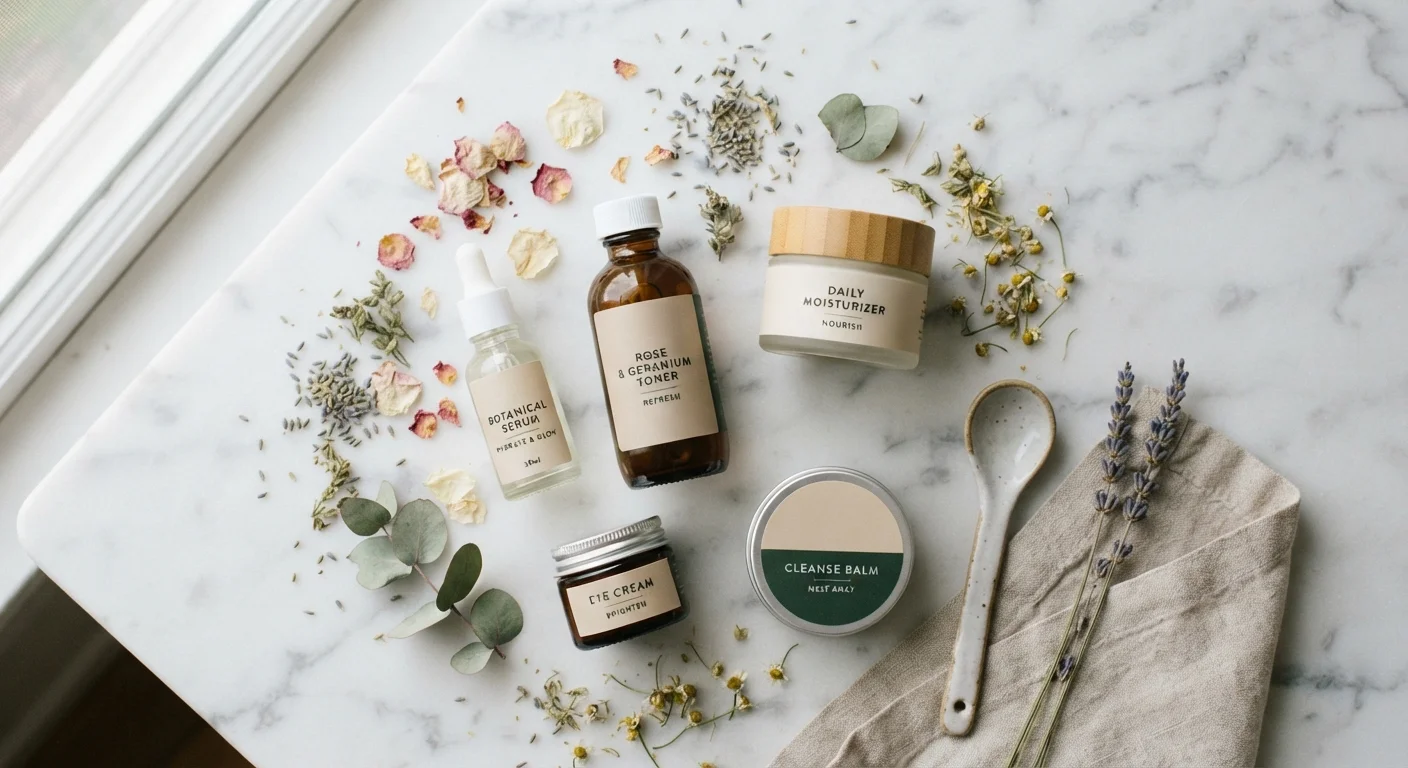
Photo: InfoAlly.net | Finding Info Made Easy editorial
Key Takeaways
- Fragrance is added to skincare primarily for sensory appeal, but it serves no functional skin benefit.
- Some fragrance compounds are known allergens and can trigger irritation, especially in sensitive or compromised skin.
- Both synthetic and natural fragrances carry allergy risk - 'natural' does not automatically mean safer.
- Patch testing and ingredient label reading are practical tools for managing fragrance-related risk.
- Fragrance-free and unscented are not the same thing - knowing the difference matters when shopping.
Enhances the sensory experience of application
A pleasant scent makes skincare feel more enjoyable and spa-like, which can improve routine consistency - a key factor in seeing real results over time.
Masks unpleasant base ingredient odors
Some highly effective actives, like certain peptides or vitamin C derivatives, have naturally unappealing smells. Fragrance makes those formulas more palatable without changing their function.
Can contribute to mood and relaxation
Aromatherapy research suggests certain scents can have a calming or uplifting effect during a ritual, making the act of applying skincare a genuine moment of self-care.
Signals freshness and product quality to consumers
A subtle, well-crafted scent is associated by many consumers with higher-quality formulation, which can make a product feel more premium and intentional.
Leading cause of cosmetic contact dermatitis
Fragrance is consistently identified in dermatological literature as one of the top allergens in personal care products, capable of triggering redness, itching, or rash in sensitized individuals.
Sensitization can develop over time
A person may use a fragranced product for years with no reaction, then suddenly develop sensitivity - because repeated exposure can gradually trigger the immune response.
Natural fragrances are not automatically safer
Essential oils and botanical extracts contain the same allergen compounds found in synthetic blends, so "natural" or "clean" labeling does not reliably lower irritation risk.
Adds complexity to identifying skin reactions
Fragrance is often listed as a single umbrella ingredient masking dozens of individual compounds, making it difficult to pinpoint the exact sensitizer if a reaction occurs.
Higher risk when the skin barrier is compromised
Using fragranced products alongside exfoliants, retinoids, or on post-procedure skin increases the chance of irritation, since a weakened barrier allows more penetration of reactive compounds.
Why Fragrance Is Everywhere in Skincare
Walk down any beauty aisle and you'll notice that the majority of moisturizers, serums, and cleansers smell like something - citrus, rose, vanilla, or a sophisticated blend you can't quite name. That's no accident. Fragrance is one of the most deliberately chosen elements in a skincare formula, and its presence has little to do with what the product does for your skin.
Formulators and brands add fragrance for several reasons: it masks the sometimes unpleasant base smell of active ingredients (think certain acids or peptides), it creates a sensory experience that makes a product feel more luxurious, and it contributes to a brand's identity. Research in consumer psychology consistently shows that pleasant scent influences how effective a product feels, even when performance is identical to an unscented version.
Fragrance ingredients may appear on a label as "fragrance," "parfum," "aroma," or as specific named compounds. Understanding what you're reading is the first step toward making a more informed call - our guide on decoding ingredient lists can help you navigate the fine print with confidence.
What 'Fragrance' on a Label Actually Means
The Case for Fragrance: Genuine Appeal
It's worth being honest: fragrance in skincare isn't simply a cynical marketing trick. There are real, legitimate reasons why many people prefer scented products and have no issue using them.
Enhances the sensory experience of application
A pleasant scent makes skincare feel more enjoyable and spa-like, which can improve routine consistency - a key factor in seeing real results over time.
Masks unpleasant base ingredient odors
Some highly effective actives, like certain peptides or vitamin C derivatives, have naturally unappealing smells. Fragrance makes those formulas more palatable without changing their function.
Can contribute to mood and relaxation
Aromatherapy research suggests certain scents can have a calming or uplifting effect during a ritual, making the act of applying skincare a genuine moment of self-care.
Signals freshness and product quality to consumers
A subtle, well-crafted scent is associated by many consumers with higher-quality formulation, which can make a product feel more premium and intentional.
The ritual dimension of skincare matters. Applying a moisturizer that smells calming or energizing can turn a perfunctory habit into a moment of genuine self-care. For many people, that sensory engagement improves consistency - and consistent application of a good skincare routine is far more important than obsessing over any single ingredient.
The Concerns: What the Research Points To
Fragrance is also one of the most studied causes of allergic contact dermatitis - a delayed skin reaction characterized by redness, itching, or rash - in cosmetic products. Dermatological research has identified a range of individual fragrance compounds that function as sensitizers, meaning repeated exposure can trigger an immune response over time.
Leading cause of cosmetic contact dermatitis
Fragrance is consistently identified in dermatological literature as one of the top allergens in personal care products, capable of triggering redness, itching, or rash in sensitized individuals.
Sensitization can develop over time
A person may use a fragranced product for years with no reaction, then suddenly develop sensitivity - because repeated exposure can gradually trigger the immune response.
Natural fragrances are not automatically safer
Essential oils and botanical extracts contain the same allergen compounds found in synthetic blends, so "natural" or "clean" labeling does not reliably lower irritation risk.
Adds complexity to identifying skin reactions
Fragrance is often listed as a single umbrella ingredient masking dozens of individual compounds, making it difficult to pinpoint the exact sensitizer if a reaction occurs.
Higher risk when the skin barrier is compromised
Using fragranced products alongside exfoliants, retinoids, or on post-procedure skin increases the chance of irritation, since a weakened barrier allows more penetration of reactive compounds.
A critical nuance: natural fragrances carry similar risks to synthetic ones. Essential oils like lavender, bergamot, and citrus extracts contain the same sensitizing molecules found in synthetic blends. The "natural" label is not a safety guarantee, which is especially worth knowing if you gravitate toward "clean" beauty products.
Skin around the eyes, lips, and neck tends to be thinner and more reactive - areas where fragranced products are particularly likely to cause irritation. Similarly, people using active ingredients such as retinoids or exfoliating acids already have a more permeable skin barrier, making fragrance exposure during those periods a greater concern. See our guide to layering skincare ingredients for more on managing ingredient interactions.
~1 in 10
People affected by fragrance allergy
Estimates from dermatological allergy research suggest approximately 1 in 10 people in patch-test populations show sensitivity to one or more fragrance allergens.
26+
Fragrance allergens requiring EU label disclosure
EU cosmetic regulations require disclosure of over 26 specific fragrance allergens when present above trace concentrations - a standard that highlights just how many distinct compounds the term 'fragrance' can encompass.
Fragrance-Free vs. Unscented: A Distinction Worth Knowing
These two terms are often confused, but they mean different things. Fragrance-free means no fragrant compounds have been added to the formula at all. Unscented typically means masking agents - which may themselves be fragrance chemicals - have been used to neutralize the product's natural smell. For people with fragrance sensitivities, fragrance-free is the more meaningful designation to look for.
If you're building or refining your routine and want to take a more methodical approach to ingredient introductions, the checklist in Before Trying a New Skincare Product offers a practical framework - including patch testing steps that apply directly to fragrance concerns.
This article is for general informational purposes only and does not constitute medical or dermatological advice. If you experience persistent skin reactions, consult a qualified dermatologist.
The content on this site is for informational purposes only and is not a substitute for professional advice. Always consult a qualified professional for guidance specific to your situation.