
Ingredient Lists Decoded: What to Actually Look for in Everyday Skincare

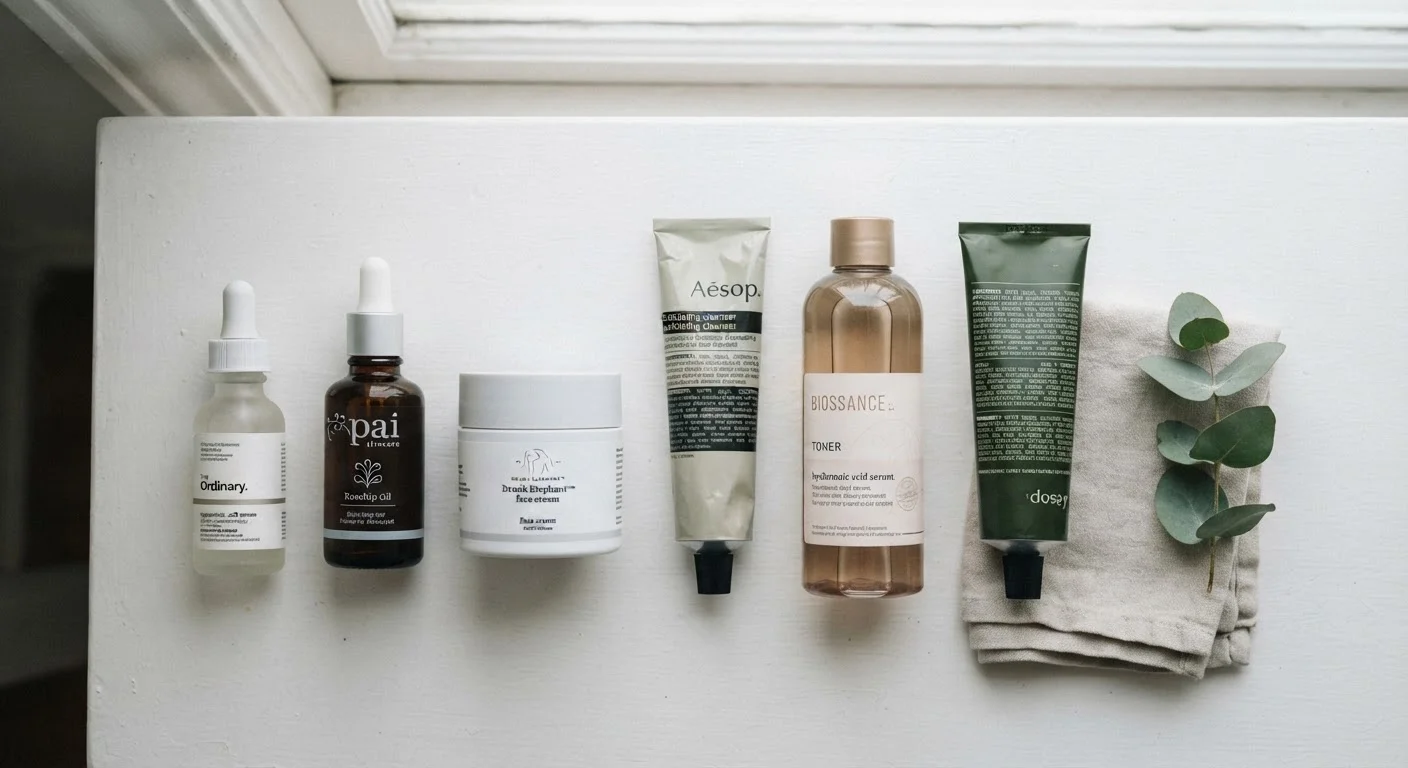
Photo: InfoAlly.net | Finding Info Made Easy editorial
Key Takeaways
- Ingredient lists are ordered by concentration - what's listed first matters most.
- Active ingredients with strong evidence include retinoids, niacinamide, hyaluronic acid, and vitamin C.
- Fragrance and certain preservatives can cause irritation, especially for sensitive skin.
- Price doesn't reliably predict ingredient quality - compare lists, not packaging.
- Skin concerns vary by individual; a dermatologist is the right resource for personal guidance.
Why the Ingredient List Beats the Label
Skincare packaging is designed to sell. Claims like "clinically proven," "dermatologist-tested," or "advanced formula" are largely unregulated marketing language - they carry no standardized legal meaning in the US. The ingredient list, by contrast, is regulated. The FDA requires cosmetics to disclose every ingredient, in a specific order, using standardized names.
This makes the ingredient list the single most honest part of any product. Just as reading a nutrition label carefully reveals what's actually in your food behind front-of-pack claims, flipping a skincare product over tells you far more than the front ever will. The skill of reading these lists doesn't take long to develop - and it immediately changes how you shop.
INCI name
The standardized international name used to list a cosmetic ingredient - often a Latin or chemical term that may differ from the common name you'd recognize.
Humectant
An ingredient that attracts and holds moisture, drawing water to the surface of the skin. Hyaluronic acid and glycerin are common examples.
Emollient
An ingredient that softens and smooths the skin by filling gaps in the surface layer. Oils, butters, and certain fatty acids function as emollients.
Active ingredient
An ingredient included specifically to perform a functional effect on the skin, such as reducing the appearance of fine lines or evening skin tone.
Preservative
An ingredient added to prevent microbial growth and extend the product's shelf life. Parabens and phenoxyethanol are widely used examples.
Skin barrier
The outermost layer of skin that protects against moisture loss and environmental irritants. Ingredients like ceramides help support its function.
How Ingredient Lists Are Structured
In the US, skincare ingredient lists follow a descending order by concentration. The ingredient present in the largest amount appears first; the one present in the smallest amount appears last. This single rule is the most useful thing to know.
In practice, most products are primarily water (listed as aqua or water) followed by an emollient or humectant base. Active ingredients - the ones doing targeted work - often appear in the middle or lower portion of the list, because effective concentrations can be surprisingly small. Ingredients present at 1% or below can appear in any order after that threshold, which is why some brands legally place buzzy actives near the top even when they're minimally present.
The 1% Threshold and Label Order
All ingredients are listed using INCI names - a global standardized system. This is why familiar ingredients appear under unfamiliar names: vitamin C becomes ascorbic acid, vitamin E becomes tocopherol, and shea butter becomes butyrospermum parkii butter. A quick search of an INCI name will usually tell you exactly what it is.
Ingredients Worth Recognizing
You don't need to memorize every ingredient - just a working knowledge of the most common evidence-backed ones. Here's a practical starting point:
- Hyaluronic acid (sodium hyaluronate): A humectant that draws moisture into the skin. Well-tolerated by most skin types and found across price ranges.
- Niacinamide: A form of vitamin B3 with a strong body of research supporting its role in managing uneven tone, texture, and oil balance.
- Retinoids (retinol, retinal, retinyl palmitate): Vitamin A derivatives with the most substantial evidence base for addressing fine lines and skin renewal. Potency varies between forms - consult a dermatologist for guidance suited to your skin.
- Ascorbic acid (vitamin C): An antioxidant that can help with brightness and environmental protection. Stability varies by formulation; look for products in opaque, airtight packaging.
- Ceramides: Lipids that help reinforce the skin's barrier. Particularly useful in moisturizers for dry or compromised skin.
- Peptides: Short amino acid chains; research is ongoing, and effects vary widely by type. Generally low-risk but not all claims are equally supported.
For a deeper look at how these ingredients interact, our guide to layering skincare ingredients covers which combinations work well and which to approach with caution.
Compare Ingredient Lists, Not Prices
Red Flags and Signals to Notice
Not every ingredient concern is a dealbreaker - context matters. But there are a few things worth pausing on:
- Fragrance (listed as fragrance or parfum): A common cause of contact irritation and allergic reactions. This category can hide dozens of undisclosed chemicals under a single term. See a fuller discussion of fragrance in skincare for a balanced look at the trade-offs.
- High-concentration alcohol (ethanol, denat. alcohol): When listed in the top five ingredients, it can be drying or irritating for some people, particularly those with dry or sensitive skin. Lower in the list, it's generally less of a concern.
- Trending actives buried at the bottom: If a product is marketed around an ingredient that appears near the very end of the list, it's likely present in a token amount. Manage expectations accordingly.
Patch Test Before Full Use
One principle applies across all of this: individual skin varies. An ingredient that causes no issues for one person may cause problems for another. Patch testing new products and consulting a dermatologist for persistent or specific skin concerns is always a sound approach.
Putting It into Practice
Reading ingredient lists is a transferable skill. Once you've done it for skincare, the same habit applies when comparing household cleaning products or evaluating any consumer product where ingredient transparency matters.
A practical approach: pick two or three products you already use and look up their ingredient lists side by side. Notice where the key actives sit, check for any potential irritants, and assess whether the formulation matches what the packaging promises. Free ingredient-lookup tools and cosmetic databases are widely available online to help decode unfamiliar INCI names quickly.
The goal isn't to become a cosmetic chemist - it's to stop paying for marketing and start paying for substance. With a little practice, reading an ingredient list takes under a minute and gives you a far clearer picture of what you're actually buying.
This article is for general informational purposes only and does not constitute medical or dermatological advice. For concerns about your skin health, consult a qualified dermatologist or healthcare professional.
Frequently Asked Questions
The content on this site is for informational purposes only and is not a substitute for professional advice. Always consult a qualified professional for guidance specific to your situation.