
Beauty Routines

Before Trying a New Skincare Product: A Pre-Introduction Checklist

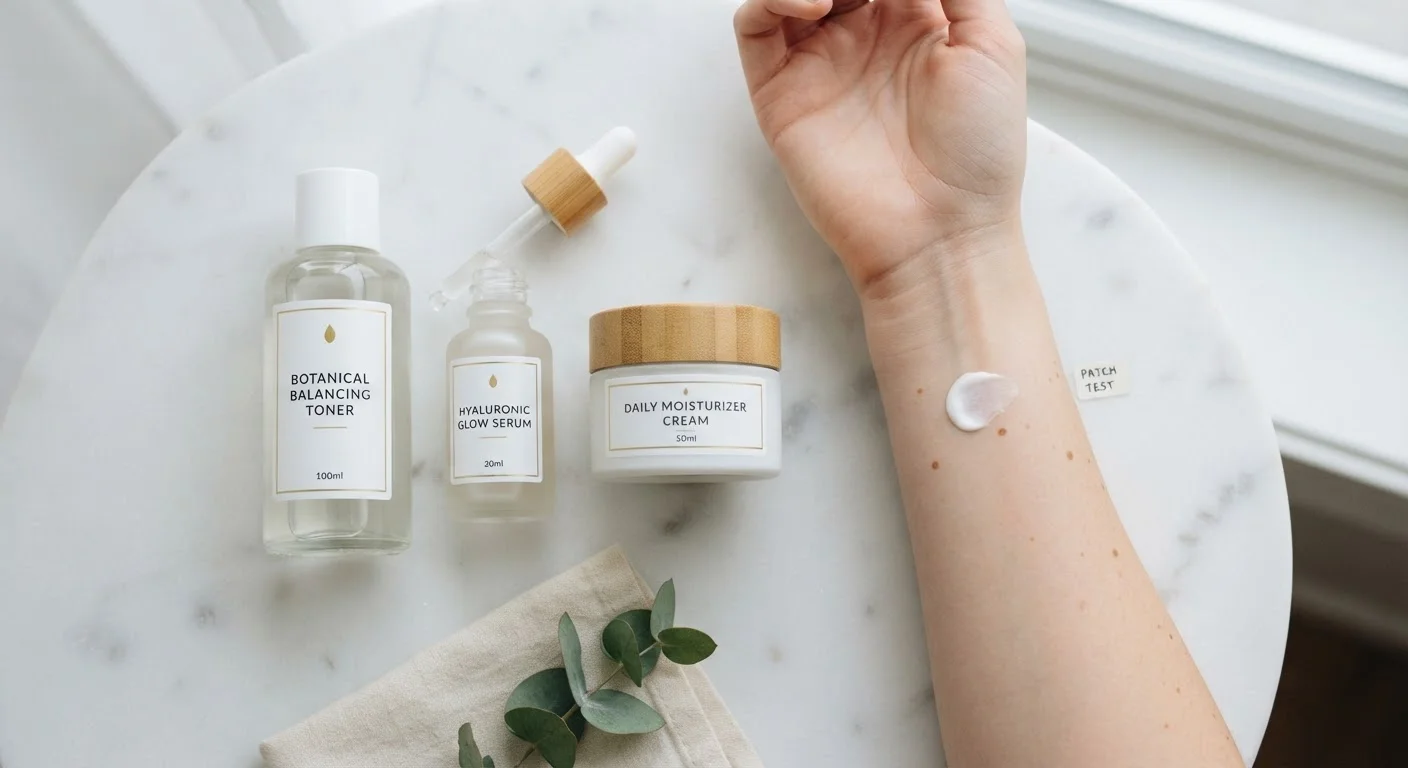
Before Trying a New Skincare Product: A Pre-Introduction Checklist

Photo: InfoAlly.net | Finding Info Made Easy editorial

A practical checklist to work through before adding anything new to your routine — from patch testing to ingredient overlap.

Key Takeaways

  • Patch testing before full application can help you catch sensitivities early.
  • Checking ingredient overlap prevents accidental overuse of potent actives.
  • Introducing one new product at a time makes it easier to identify what's working.
  • Knowing your skin type and current routine gaps guides smarter product choices.
  • Reading ingredient lists critically helps you evaluate products beyond marketing language.

Why a Pre-Introduction Checklist Actually Matters

Skincare launches are constant, and social media makes every new serum feel urgent. But adding a product without preparation is one of the most common reasons routines go sideways — breakouts appear, skin feels suddenly reactive, and it's nearly impossible to pinpoint the cause.

This checklist is your pause button. Whether you're eyeing a new vitamin C serum, a trending exfoliant, or a hydrating toner, running through these steps before the first application keeps your skin stable and your routine intentional. Before you even think about application, it helps to understand what's actually in what you're using — our guide to reading ingredient lists walks you through the basics clearly.

Required

Ingredient checker tool or app

Helps you identify what key actives are in a product and flag any known irritants or conflicting combinations.

Required

Skin journal or notes app

Lets you log your routine, track changes, and document reactions over the introduction period.

Optional

Dermatologist consultation

Recommended for anyone with a diagnosed skin condition, known allergies, or persistent reactivity before introducing new actives.

The Pre-Introduction Checklist

Work through these grouped steps before applying any new skincare product to your face for the first time. They're organized from the earliest research phase through to your first real-world application.

Know Your Starting Point

Write down your current full routine — every product, in the order you apply it — so you have a clear baseline to reference. Must
Identify your skin type (oily, dry, combination, sensitive, or normal) and note any known sensitivities or diagnosed conditions. Must
Note any current skin concerns — active breakouts, dryness, or irritation — that might complicate introducing something new right now. Should

Research the Product

Read the full ingredient list, not just the front-of-pack claims, to understand what active and inactive ingredients you're actually applying. Must
Cross-check key ingredients against your existing routine to spot any overlap — doubling up on strong actives like retinoids or exfoliating acids can cause irritation. Must
Look up any unfamiliar active ingredients — such as niacinamide, AHAs, BHAs, or peptides — to understand their general purpose and skin effects. Should
Check whether any ingredients are known to conflict with each other or with ingredients already in your routine (for example, vitamin C and certain pH-sensitive actives). Should

Patch Testing

Apply a small amount of the product to a discreet test area — inner forearm or behind the ear — and leave it unwashed for 24 hours. Must
Check the patch site at 24 and 48 hours for redness, itching, swelling, or bumps before applying to your face. Must
If you have sensitive or reactive skin, extend the patch test to 72 hours for a more reliable read. Should

Prepare Your Routine for Introduction

Commit to introducing only one new product at a time — avoid adding multiple new items in the same week. Must
Temporarily simplify your routine to just the essentials (cleanser, moisturizer, SPF) for a few days before starting, to give your skin a neutral baseline. Should
Plan to introduce the product every other day for the first one to two weeks rather than daily, especially if it contains active ingredients. Should
Decide in advance when in your routine the new product will sit — morning vs. evening, and the specific application step — so there's no guessing on day one. Must
Set a reminder or note a start date so you can track how many days you've been using the product when evaluating results. Nice to have

First Application Check

Apply the product to clean, dry skin (unless instructions specify damp application) and use the amount directed — more is rarely better. Must
Check your face in good lighting about 20–30 minutes after the first facial application for any immediate reaction like flushing or stinging. Must
Note how your skin feels after the full routine settles — balanced, tight, greasy, or comfortable — as a reference point for future days. Should

Don't Skip the Patch Test for Actives

Products containing exfoliating acids (AHAs and BHAs), retinoids, or high-concentration vitamin C are more likely to cause reactions, especially on sensitive skin. Patch testing feels like an extra step, but it takes less than 48 hours and can save you days of dealing with an irritated barrier. Never skip it when trying a new active for the first time.

Once you've completed your introduction phase, consider how the new product fits into a full morning or evening lineup. Our guide on building a morning skincare routine can help you think through order and layering. And if you're combining actives, the skincare ingredient pairing reference guide is worth bookmarking as a quick resource.

After the Checklist: What to Watch For

Completing this checklist isn't the finish line — it's the starting gate. Once you begin using a new product, give your skin at least two to four weeks of consistent use before drawing conclusions. Skin cycling is real: an initial purge or adjustment period can mimic a bad reaction, so patience matters.

Keep a simple log (even a few notes in your phone) noting any changes in texture, tone, or comfort. If a reaction develops — persistent redness, swelling, or itching — stop use and consult a dermatologist. This article is general skincare education, not medical advice, and a qualified professional is always the right resource for persistent skin concerns.

Stop Use if a True Reaction Develops

Mild tingling during the first few uses of an exfoliant can be normal, but persistent burning, significant redness, hives, or swelling are signs to stop the product immediately. Do not try to push through a genuine reaction. If symptoms don't resolve within a day or two of stopping, consult a dermatologist or healthcare provider promptly.

Still in the research phase before you even buy? The pre-purchase checklist can help you decide whether a product is genuinely worth adding before you spend anything.

This article is for general informational and educational purposes only. It is not a substitute for professional dermatological or medical advice. If you experience persistent skin reactions or have a diagnosed skin condition, consult a qualified healthcare provider before introducing new skincare products.

Style & Beauty Editorial Team

InfoAlly.net | Finding Info Made Easy

Style & Beauty Editorial Team is the collective byline for our editorial team and contributor network. Articles published under this byline or an editorial pen name are researched, written, and reviewed according to our editorial standards for clarity, consistency, and independence before publication.

Fashion TrendsBeauty RoutinesPersonal Style
View author profile

The content on this site is for informational purposes only and is not a substitute for professional advice. Always consult a qualified professional for guidance specific to your situation.