
Building a Morning Skincare Routine From the Ground Up

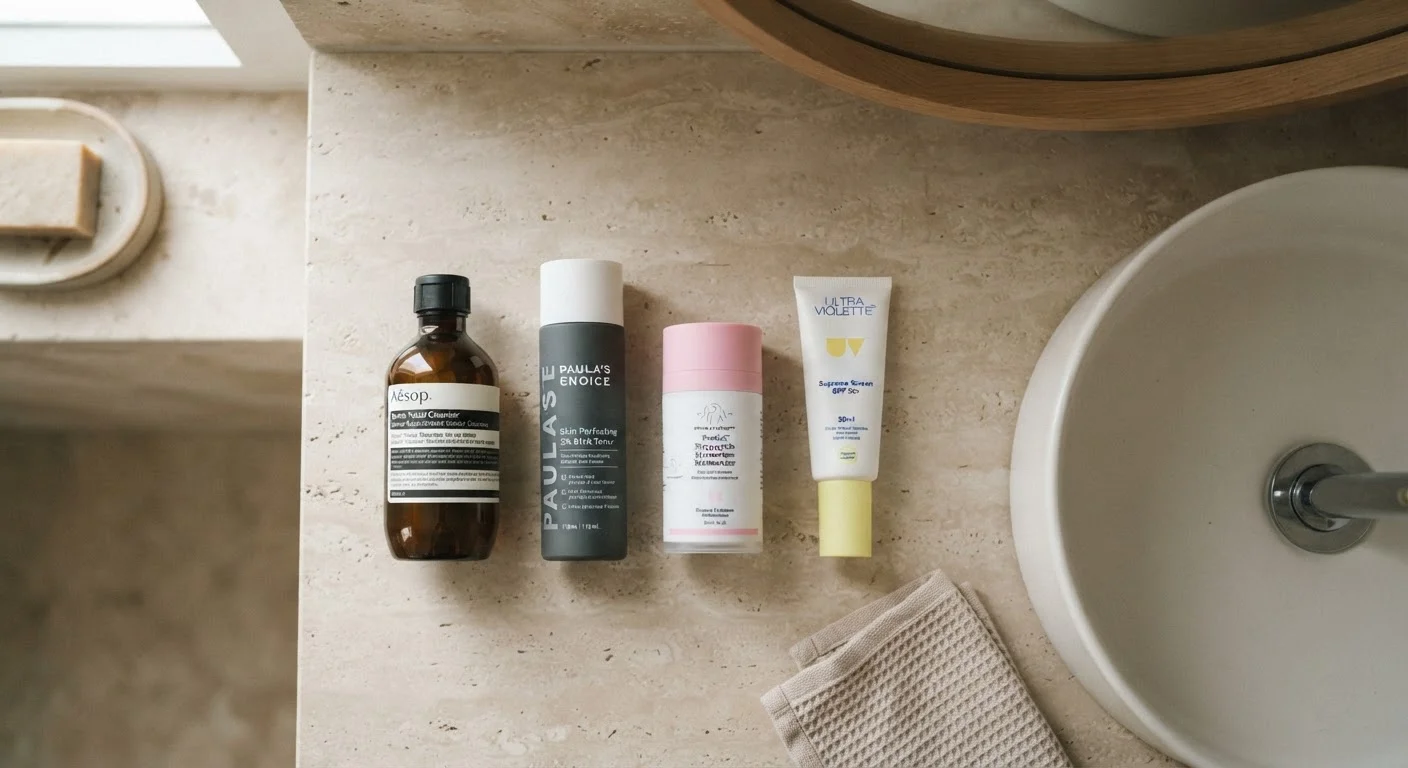
Photo: InfoAlly.net | Finding Info Made Easy editorial
Key Takeaways
- A complete morning routine needs just four core steps: cleanse, treat, moisturize, and protect with SPF.
- Product order matters - apply lightest textures first and always finish with sunscreen.
- Introduce new products one at a time to identify what works and what irritates your skin.
- Your skin type determines which formulas and active ingredients suit your morning routine.
- Consistency over a few weeks is more effective than frequently switching products.
Why a Morning Routine Works Differently Than an Evening One
Skin has two jobs it's doing at very different times of day. At night, it shifts into repair mode - renewing cells, producing collagen, and recovering from daily environmental stressors. In the morning, its job flips entirely: now it needs to defend. That's why morning skincare is built around protection and preparation rather than deep treatment.
This distinction means your morning product lineup should emphasize antioxidants, hydration, and - above all - sun protection. Heavy exfoliants and prescription-strength actives like retinoids are typically better saved for evening, when skin can process them without UV interference. For a closer look at how evening routines differ, see our guide to nighttime skincare habits worth building.
The good news: morning routines don't need to be complicated. A solid four-to-five step approach covers most people's needs - and takes under 15 minutes once you've found your rhythm.
What you will need
What You'll Need Before You Start
You don't need a crowded cabinet to build an effective routine. Start with the essentials and add steps only when you've identified a specific skin concern you want to address. Here are the core tools to have on hand:
Gentle Facial Cleanser
Removes overnight oils, sweat, and residue without stripping the skin's natural moisture barrier.
Hydrating Toner or Essence
Restores skin's pH balance after cleansing and preps it to absorb subsequent products more effectively.
Antioxidant Serum (e.g., Vitamin C)
Adds a layer of environmental protection and supports a more even skin tone over time.
Moisturizer
Seals in hydration and reinforces the skin barrier to keep skin comfortable throughout the day.
Broad-Spectrum Sunscreen SPF 30+
Protects skin from UVA and UVB rays, the primary external cause of premature skin aging and damage.
Don't Layer Too Many Actives at Once
If you're new to skincare or considering adding an active ingredient to your lineup, we strongly recommend working through a pre-introduction checklist first. It'll help you avoid reactive skin and wasted product.
Your Morning Routine, Step by Step
Follow these steps in order - the sequence matters as much as the products themselves. Applying items from thinnest to thickest texture ensures each layer absorbs properly rather than being blocked by a heavier formula above it.
Cleanse gently to start fresh
Splash your face with lukewarm water and work a small amount of cleanser into your skin using circular motions for about 30-60 seconds. Rinse thoroughly and pat (don't rub) dry with a clean towel. In the morning, your goal isn't deep cleaning - it's simply clearing overnight oil buildup so your other products can absorb properly.
Dry or sensitive skin types may prefer a cream or milk cleanser; oily and combination skin often responds well to a lightweight gel formula.
Apply toner or essence (optional but worthwhile)
If you use a toner or hydrating essence, apply it to slightly damp skin using your palms or a cotton pad. This step is optional but helps balance your skin's pH after cleansing and creates a more receptive surface for serums and moisturizer. Look for alcohol-free formulas with ingredients like hyaluronic acid, glycerin, or centella asiatica.
Treat with a targeted serum
Serums are concentrated formulas designed to address specific skin concerns - think dullness, uneven tone, or dehydration. Mornings are ideal for antioxidant serums, particularly those containing vitamin C (ascorbic acid), which can help neutralize free radicals from pollution and UV exposure throughout the day.
Apply 2-3 drops to your fingertips and press gently across your face and neck. Allow it to absorb for about 60 seconds before moving on.
Moisturize to lock in hydration
Even oily skin benefits from moisturizer - skipping it can prompt your skin to overproduce oil to compensate. Apply a pea-sized to dime-sized amount over your face and neck while your skin is still slightly tacky from the serum step. This helps seal moisture in rather than sitting on top of dry skin.
Choose a texture that suits your skin: lightweight gel-creams for oilier types, richer creams or balms for drier skin. Both work; the difference is comfort and absorption speed.
Finish with broad-spectrum sunscreen
Sunscreen is always the final skincare step in the morning. Apply it generously over your face, ears, and neck - about a quarter-teaspoon for the face alone is a commonly cited benchmark. Allow it to fully absorb or settle before applying makeup.
Chemical sunscreens need about 15 minutes to bind to skin before sun exposure. Mineral sunscreens (containing zinc oxide or titanium dioxide) work immediately upon application and tend to suit sensitive skin types well.
Patch Test Before Committing
Sunscreen Is Non-Negotiable
Once you've got this routine running smoothly and want to layer in makeup, our first-timer's introduction to makeup routines picks up exactly where skincare leaves off.
This article is for general skincare education only and is not a substitute for professional dermatological advice. If you have a skin condition, persistent irritation, or medical concerns about your skin, consult a qualified dermatologist or healthcare provider.
The content on this site is for informational purposes only and is not a substitute for professional advice. Always consult a qualified professional for guidance specific to your situation.