
A First-Timer's Introduction to Makeup Routines

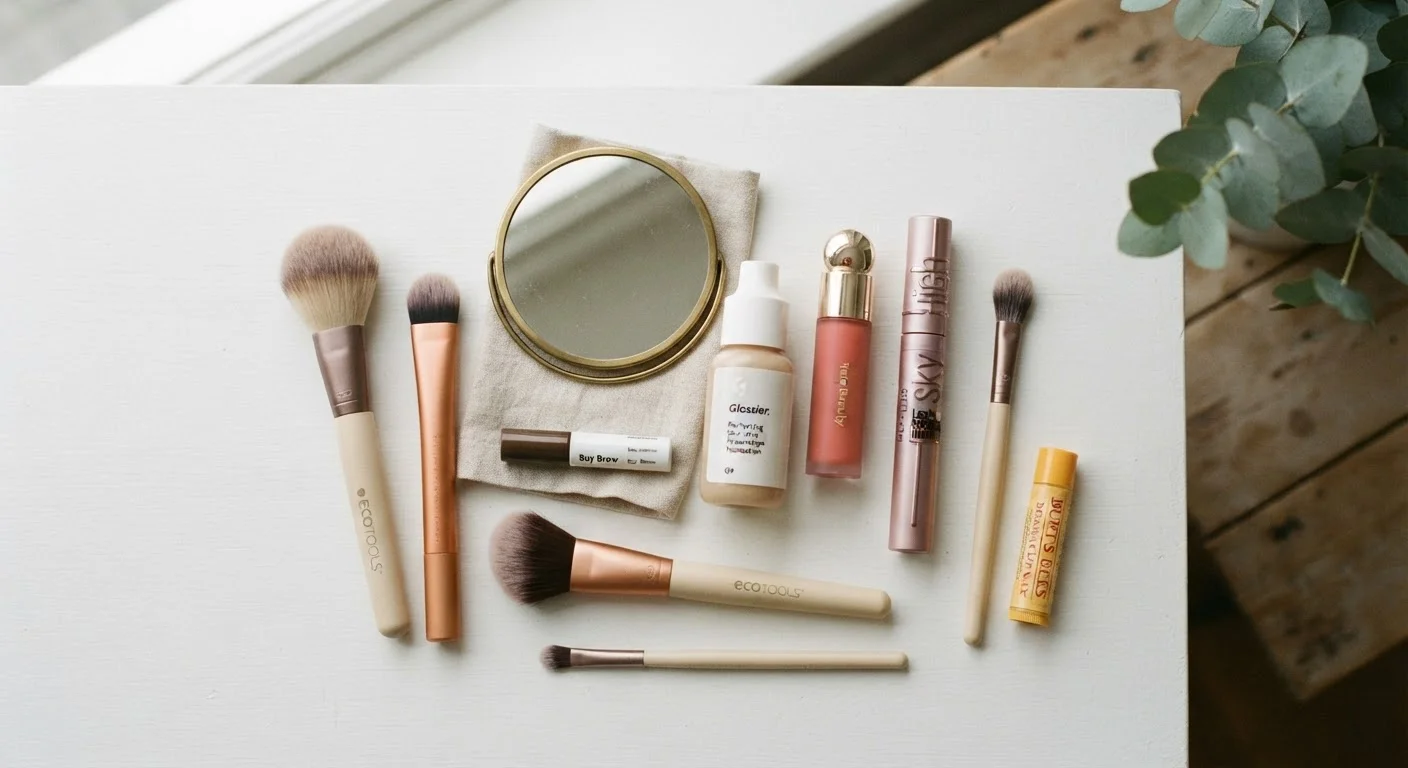
Photo: InfoAlly.net | Finding Info Made Easy editorial
Key Takeaways
- A five-step routine covers everything a beginner needs to start confidently.
- Healthy, prepped skin makes makeup look better and last longer.
- You need only a handful of tools - not a full professional kit.
- Technique matters more than the number of products you own.
- Consistency and practice are the real secrets to improvement.
Why Start Simple
Walking into the beauty aisle for the first time can feel like stepping into a foreign language class. Hundreds of products, dozens of finish types, and an endless stream of tutorials that assume you already know the basics. Here's the truth: a great makeup routine does not require complexity - it requires intention.
Beginning with a minimal routine lets you actually learn what each product does before layering in more. Think of it the same way you'd approach starting a fitness routine - building slowly creates habits that stick. Five focused products will teach you more than twenty products used randomly.
Less Is Genuinely More at the Start
Prep Your Canvas: Skincare Before Makeup
Every strong makeup routine starts before you open a single compact. Clean, moisturized skin is the best base any product can sit on - it helps foundation blend more smoothly, makes color last longer, and keeps your complexion comfortable throughout the day.
A morning skincare sequence of cleanser, moisturizer, and SPF takes under three minutes and makes a measurable difference. If you haven't built that habit yet, our morning skincare walkthrough covers exactly how to layer those steps. And before adding any new product to your routine - skincare or makeup - a quick pre-introduction checklist can save you from unnecessary reactions.
Foundation
A skin-colored product applied across the face to create an even, unified tone. It comes in many finishes - matte, dewy, or natural - and coverage levels from sheer to full.
Concealer
A higher-coverage product used to target specific spots like under-eye circles or blemishes. It is typically applied after foundation.
Setting product
A powder or spray applied over finished makeup to help it stay in place throughout the day and reduce shine or movement.
Primer
A product applied before foundation that creates a smooth surface and can help makeup last longer. It is optional, especially for beginners.
Tinted moisturizer
A lightweight, sheer alternative to foundation that hydrates the skin while adding a hint of color. A popular starting point for beginners.
Blending
The technique of working a product into the skin so there are no harsh lines or edges. Good blending is the single most important makeup skill to develop.
The Essential Steps of a Beginner Routine
A practical beginner routine follows five steps. Master these before experimenting further.
- Base: A tinted moisturizer or light-coverage foundation evens out skin tone without feeling heavy. Blend outward from the center of the face using your fingertips or a damp sponge.
- Concealer: Dot a small amount under the eyes or on any blemishes and pat - never rub - to blend. Patting preserves coverage.
- Eye makeup: For beginners, a single coat of mascara on upper lashes opens the eyes effectively. Eyeliner and eyeshadow can come later as your confidence grows.
- Color: A cream blush applied to the apples of the cheeks (the round part that lifts when you smile) adds warmth and dimension. Cream formulas are forgiving and easy to blend.
- Lip color: A tinted lip balm or sheer lipstick requires no precision and pulls a look together instantly.
If you prefer a more streamlined approach, the minimalist beauty routine breaks down the real trade-offs of doing less - worth reading as your skills develop.
Cream vs. Powder Formulas for Beginners
Tools You Actually Need
Good technique matters more than an overflowing brush collection. Start with just three tools:
- Damp makeup sponge: Versatile for blending foundation and concealer seamlessly into skin.
- Fluffy face brush: Ideal for applying powder blush or bronzer with a light, buildable touch.
- Spoolie brush: A simple eyebrow grooming tool that keeps brows neat in seconds.
Wash sponges after every use and brushes weekly to prevent product buildup and keep application clean. This simple hygiene habit extends the life of your tools significantly.
Don't Share Makeup Tools With Others
Building Confidence Over Time
Makeup is a skill, and skills improve with repetition. Set a realistic expectation: the first few attempts will feel awkward, and that's completely normal. Most people find that ten to fifteen practice sessions create genuine muscle memory for their core routine.
Once your basic look feels comfortable - maybe two or three weeks in - begin adding one new technique at a time. A thin eyeliner line, a slightly deeper eyeshadow, or a bolder lip color. Stacking small wins builds lasting confidence far better than attempting a complex look before the fundamentals are solid.
Your routine should also flex with your lifestyle and budget. A polished look doesn't require an expensive kit - it requires understanding what each product does and applying it with care. For practical guidance on how to think through bigger purchases as your collection grows, our first major purchase guide offers a grounded framework.
Most importantly: enjoy the process. Makeup is one of the most personal forms of self-expression available, and there's no single right way to do it.
Frequently Asked Questions
The content on this site is for informational purposes only and is not a substitute for professional advice. Always consult a qualified professional for guidance specific to your situation.