
The Skin Barrier: What It Actually Does and Why Routines Break It

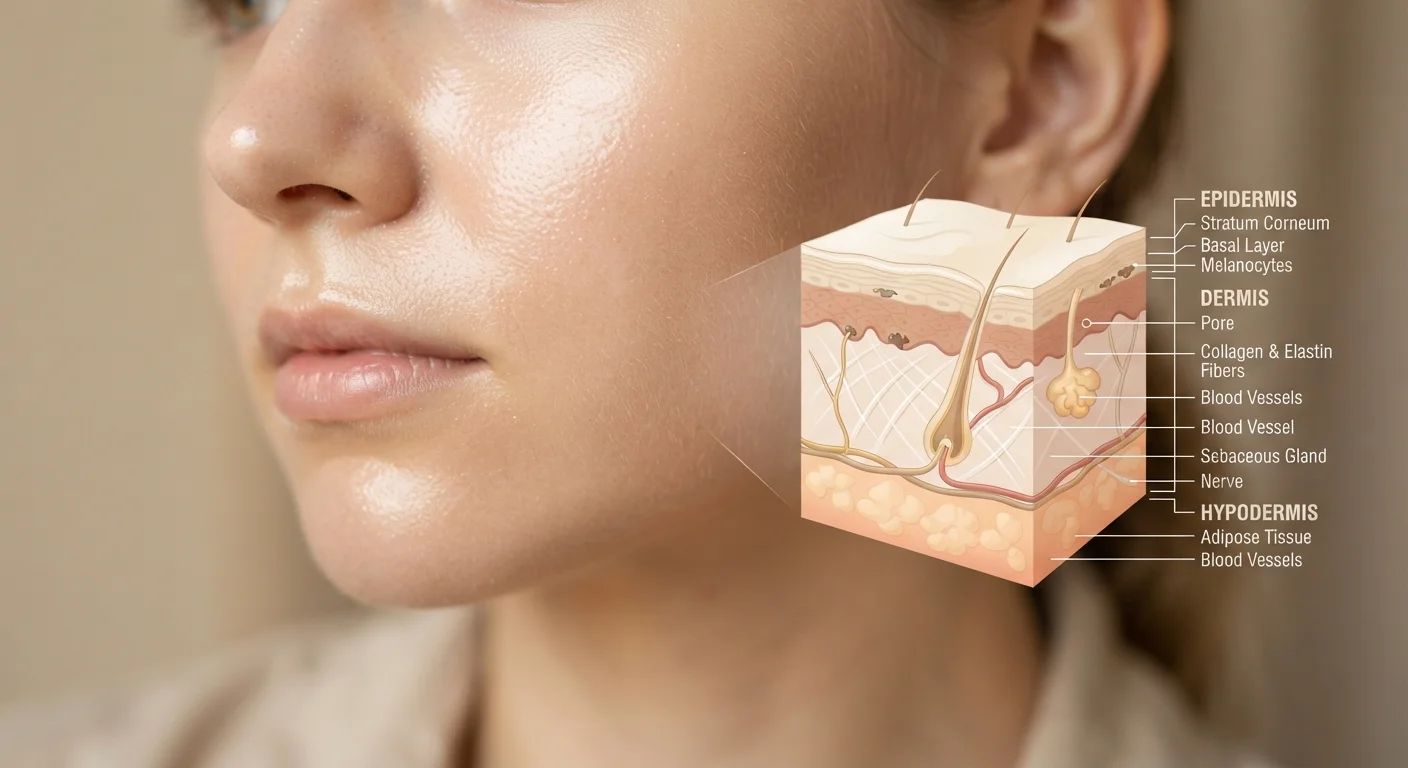
Photo: InfoAlly.net | Finding Info Made Easy editorial
Key Takeaways
- The skin barrier controls hydration and protects against environmental damage.
- Over-cleansing and over-exfoliating are the leading causes of barrier disruption.
- A compromised barrier causes redness, tightness, sensitivity, and breakouts.
- Fewer, gentler products are often more effective than complex multi-step routines.
- Ceramides, humectants, and occlusives are the key ingredient types for barrier repair.
What the Skin Barrier Actually Does
Think of your skin barrier as a tightly packed wall of cells held together by a lipid-rich mortar. Its primary job is dual-directional: it stops water from escaping your skin (called TEWL) and blocks external aggressors - pollution, allergens, bacteria, UV damage - from getting in.
When the barrier is functioning well, skin stays balanced. It feels neither tight nor greasy, absorbs products evenly, and doesn't react to minor environmental changes. That dewy, comfortable look people associate with "good skin" is largely just a healthy barrier doing its job.
The barrier's lipid matrix - built from ceramides, free fatty acids, and cholesterol - is what holds everything together. When those lipids are depleted or disrupted, the wall develops gaps. That's when things start going wrong: moisture escapes, irritants enter, and inflammation follows. For a deeper look at what happens when this process is already underway, see why your moisturizer stops feeling effective.
~50%
Of barrier lipids are ceramides
Ceramides make up approximately half of the lipid content in the stratum corneum, according to published dermatology research on skin composition.
2x
TEWL increase after harsh cleansing
Studies on surfactant-induced skin damage have shown that aggressive cleansers can more than double transepidermal water loss in the hours following use.
1-2x
Recommended exfoliation per week
Most board-certified dermatologists advise limiting exfoliation to once or twice weekly to minimize cumulative barrier disruption.
The Routine Habits Most Likely to Damage It
Here's the uncomfortable truth: many popular skincare habits actively work against barrier health. The drive to do more - more steps, stronger actives, more frequent exfoliation - is the leading cause of self-inflicted barrier damage.
Over-cleansing
Washing your face more than twice daily, or using a cleanser that leaves skin feeling squeaky-clean, strips the natural oils that keep the lipid matrix intact. Foaming cleansers with high sulfate concentrations are common culprits.
Stacking actives without a plan
Retinol, glycolic acid, salicylic acid, vitamin C, and niacinamide are all beneficial ingredients - but using several simultaneously without allowing skin to adjust dramatically increases the risk of irritation. Layering multiple exfoliating acids in one routine is especially destabilizing.
Hot water and long showers
Hot water dissolves the lipid layer faster than lukewarm water. Long exposure compounds the effect, leaving skin temporarily stripped and more vulnerable to environmental damage afterward.
The 'Less Is More' Reset
For a practical look at how to structure your evening routine to support - rather than undermine - your barrier, nighttime skincare habits worth building covers the sequencing and steps that actually make a difference.
How to Rebuild and Protect It
Barrier repair doesn't require an expensive overhaul. It mostly requires doing less, more consistently.
Simplify your routine
Reduce your routine to a gentle cleanser, a hydrating moisturizer, and SPF during the day. Resist the urge to layer multiple actives while your skin is reactive. Reintroduce them one at a time, slowly, once skin feels stable.
Focus on barrier-supportive ingredients
- Ceramides directly replenish the lipids that hold the barrier together.
- Humectants (like hyaluronic acid and glycerin) draw moisture into the skin.
- Occlusives (like petrolatum or squalane) seal that moisture in so it can't escape.
Don't skip SPF
UV exposure is one of the most reliable ways to degrade barrier function over time. Daily sun protection is a non-negotiable part of barrier maintenance - learn how to fit SPF into any routine without extra steps or white cast concerns.
“The most common mistake I see is patients treating skin sensitivity with more products when the answer is almost always fewer products and a gentler approach.”
— Board-Certified Dermatologist, Clinical dermatology practitioner and skin barrier researcher
It's also worth questioning what you've heard about skincare. Some widely circulated ideas - like that pores shrink or that natural always means gentle - actively lead people toward habits that harm their barrier. Skincare myths dermatologists keep correcting is a useful companion read.
This article is for general informational and educational purposes only and is not a substitute for professional dermatological or medical advice. Consult a qualified healthcare provider for concerns about your skin.
Frequently Asked Questions
The content on this site is for informational purposes only and is not a substitute for professional advice. Always consult a qualified professional for guidance specific to your situation.