
Why Your Moisturiser Stops Feeling Effective

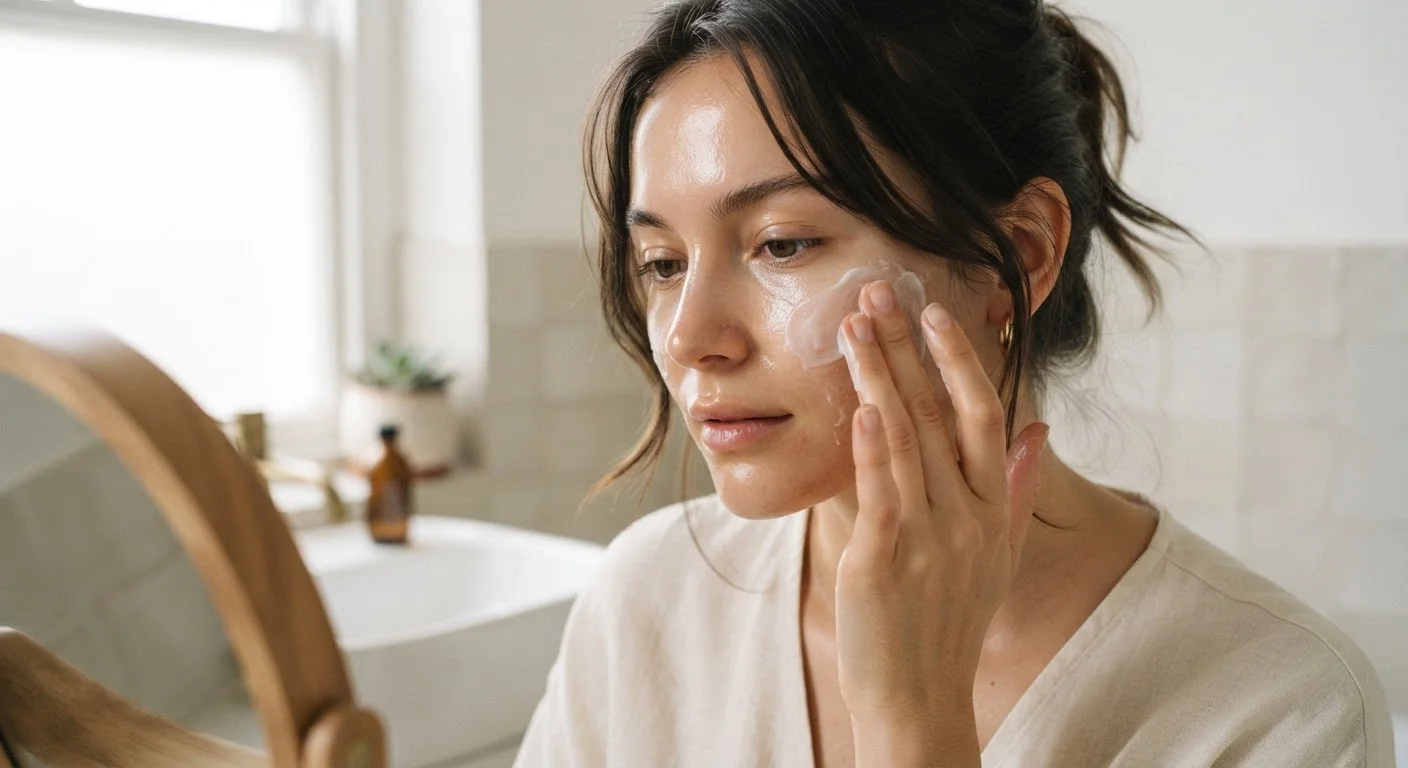
Photo: InfoAlly.net | Finding Info Made Easy editorial
Key Takeaways
- Moisturisers don't build up tolerance - but your skin's needs genuinely change over time.
- Application timing, layering order, and skin prep all affect how well a moisturiser performs.
- Seasonal shifts, hormonal changes, and new skincare actives can all alter how your skin responds.
- Switching products too quickly prevents you from accurately judging whether something truly works.
- Exfoliation and barrier health are often the missing links when hydration feels ineffective.
The Real Reason Your Moisturiser Seems to Stop Working
If you've ever felt like your trusty moisturiser suddenly stopped doing its job, you're far from alone. That flat, tight feeling after application - despite having used the same product for months - tends to send people racing to replace it. But the product is rarely the culprit.
What's actually happening is more nuanced: your skin changes constantly, influenced by hormones, environment, diet, sleep, stress, and the other products you're using. A moisturiser that was perfectly matched to your skin last winter may simply not be meeting its current needs. Understanding this shift is the first step to building a routine that works long-term.
It's also worth noting that moisturisers don't create dependency or lose potency the way some readers fear - your skin doesn't become "addicted" or "immune" to an ingredient. That's one of the skincare myths that keep circulating despite little supporting evidence. What changes is your skin itself.
Applying moisturiser to completely dry skin instead of damp skin.
Over-exfoliating and then expecting the moisturiser to compensate.
Ignoring how seasonal changes alter your skin's moisture needs.
Layering actives that interfere with how your moisturiser is absorbed.
Switching moisturisers too frequently to judge effectiveness.
How to Recalibrate Your Routine for Results
Once you understand the mistakes above, the fix is usually less about finding a new product and more about adjusting how - and when - you use what you already have. Start by auditing your application habits and the state of your skin barrier.
Your nighttime skincare routine is also an underrated opportunity: skin repairs itself during sleep, and applying a moisturiser to clean, slightly damp skin before bed can meaningfully improve hydration by morning. Occlusive ingredients like shea butter or squalane work especially well overnight when there's no makeup or environmental exposure to compete with.
Your Skin Barrier Matters Most
Finally, if you've adjusted your technique, simplified your routine, and given a product genuine time to work - and your skin still feels persistently dry, tight, or irritated - that's a signal worth taking to a dermatologist. Chronic dehydration can sometimes indicate an underlying skin condition that benefits from professional guidance rather than product experimentation.
This article is for informational purposes only and does not constitute medical or dermatological advice. Consult a qualified healthcare professional for concerns about your skin health.
The content on this site is for informational purposes only and is not a substitute for professional advice. Always consult a qualified professional for guidance specific to your situation.