
Dressing for Your Body Shape: What the Advice Actually Gets Right (and Wrong)

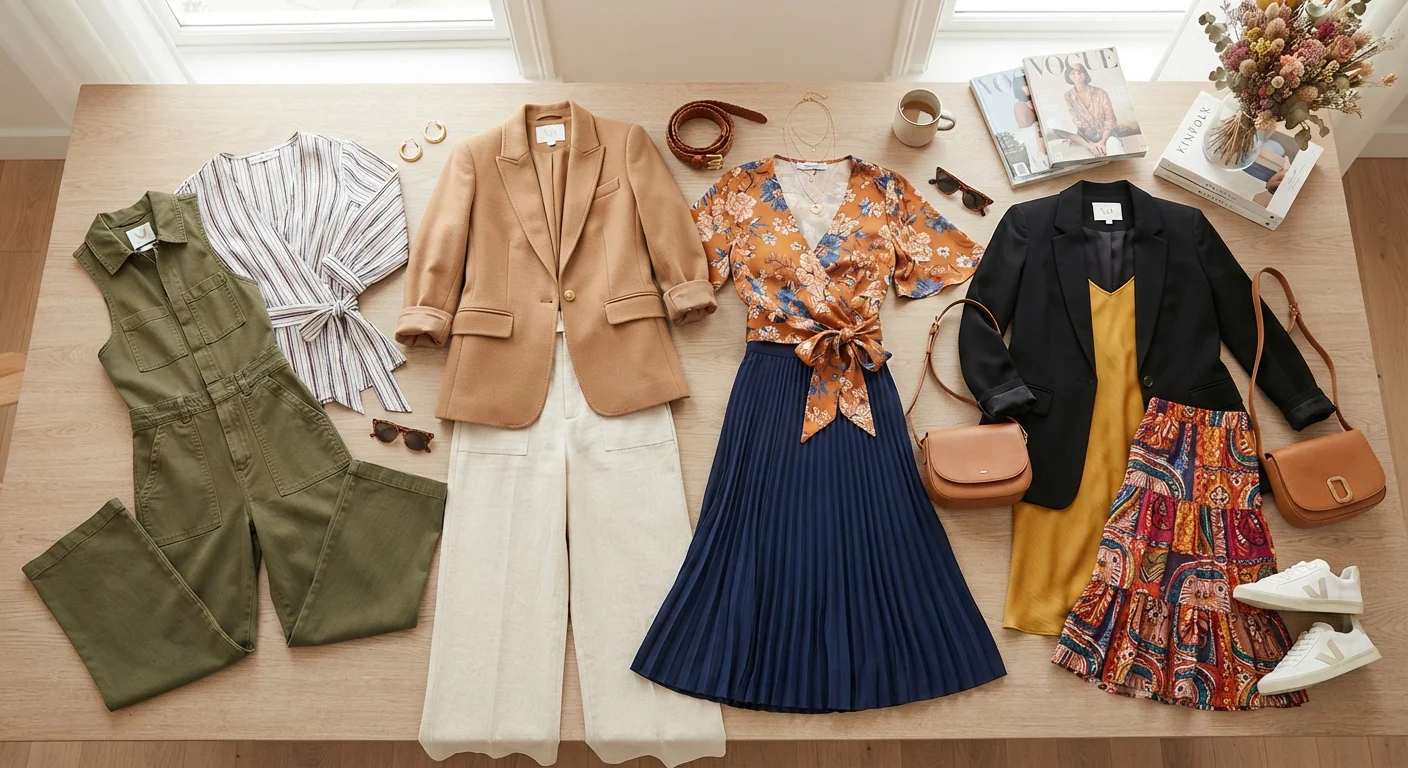
Photo: InfoAlly.net | Finding Info Made Easy editorial
Key Takeaways
- Body-shape dressing rules can be useful starting points, but they're not universal laws.
- Fit and proportion matter more than matching a specific silhouette category.
- Personal comfort and confidence should always outweigh prescriptive fashion advice.
- Many classic rules were developed without inclusive sizing or diverse body types in mind.
- Understanding balance and scale helps you dress intentionally - without limiting yourself.
Where Body-Shape Advice Came From
Body-shape dressing advice - the hourglass, pear, apple, rectangle framework - has been a fashion staple since at least the mid-20th century. The idea was practical at heart: help people understand proportion so clothes looked intentional and polished. Style educators and magazines popularized the shorthand, and it stuck.
The problem? These categories were largely developed around a narrow range of bodies, sizes, and silhouettes. They also assumed the goal was always to create the appearance of an hourglass figure - which reflects a specific cultural beauty standard, not a universal truth about what looks good. As fashion has evolved toward broader inclusivity, the rigid framework has started to show its age. That said, the underlying ideas about proportion and balance still hold genuine value when applied with flexibility. See our guide to proportion over rigid rules for a deeper look at this shift.
Myth
Certain body shapes should avoid horizontal stripes, wide-leg pants, or oversized silhouettes.
Fact
No garment category is off-limits for any body type - scale, context, and styling choices determine whether something works.
The "avoid" language in traditional style advice frames clothing choices as corrective measures. But wide-leg trousers, for instance, can work beautifully across a wide range of body types depending on rise, fabric, and how they're styled up top. The real question isn't can I wear this? - it's how do I wear this in a way I love? Proportion and balance are tools, not gatekeepers.
Myth
Dressing for your body shape means trying to create the illusion of an hourglass figure.
Fact
Creating an hourglass silhouette is one aesthetic preference - not the goal of dressing well.
The hourglass ideal reflects a specific cultural moment and beauty standard, not a timeless design truth. Many contemporary style principles focus instead on intentional proportion: choosing silhouettes that feel balanced and express your personality, whatever shape that creates. Your wardrobe should serve your confidence, not conform to a single idealized outline.
Myth
Body-shape categories (hourglass, pear, apple, rectangle) are precise and universally applicable.
Fact
Most people don't fit neatly into one category, and the framework was built on a limited range of body diversity.
Bodies are three-dimensional and change over time - they don't map cleanly onto four geometric shapes. The classic framework also centered a relatively narrow range of sizes and largely excluded diverse body types. Using these labels as loose inspiration is fine; treating them as strict identities is where the advice tends to become more limiting than helpful. Building a wardrobe that works for your real life starts with your actual lifestyle, not a category label.
Myth
Wearing dark colors on your "larger" areas will always make you look slimmer and more balanced.
Fact
Color contrast, fabric texture, and silhouette all influence visual weight - dark color alone is a simplification.
Color does affect how the eye moves across an outfit, but the relationship is more nuanced than dark-equals-smaller. Shiny fabrics, bold prints, and structured cuts create visual weight regardless of hue. Matte, fluid fabrics can minimize bulk in any color. Understanding how contrast and texture interact gives you far more flexibility than a "wear black here" rule. For a fuller look at how color choices shape an outfit, see colour confidence principles.
Myth
Once you know your body shape, you have a permanent dressing formula to follow.
Fact
Bodies, trends, and personal preferences evolve - your approach to dressing should stay flexible.
Even if a body-shape framework resonated with you at one point, it's worth revisiting as your style matures. Weight fluctuations, pregnancy, aging, and shifting aesthetic preferences all change what feels right. Treating proportion principles as a living toolkit - rather than a fixed rulebook - keeps your style adaptable and genuinely expressive.
What Fit and Proportion Actually Do
Strip away the shape labels and two principles remain genuinely useful: fit and visual proportion. Fit means clothing follows your body without pulling, bunching, or overwhelming your frame - and it varies dramatically by cut, brand, and fabric. Proportion refers to how different elements of an outfit relate to each other in terms of volume, length, and scale.
For example, pairing a voluminous top with wide-leg trousers creates one visual balance; the same top with slim-cut trousers creates another. Neither is wrong - they just produce different effects. Understanding these dynamics gives you far more creative freedom than memorizing which neckline "corrects" your shape. For practical guidance on how fit translates to specific garments, check out what good shirt fit actually looks like.
Avoid Advice That Uses Shame or 'Fixing' Language
Ultimately, dressing well isn't about camouflage - it's about intention. When you understand how proportion works, you can wear what you love in a way that feels considered. That's the goal that body-shape advice was always trying (imperfectly) to reach. For a broader reset on style myths, explore persistent style myths worth dropping.
The content on this site is for informational purposes only and is not a substitute for professional advice. Always consult a qualified professional for guidance specific to your situation.